INDIA'S ONLY HOPE

9%

Pacific Press Publishing Company · OAKLAND, CALIFORNIA · Jun 27, 1900

FromSigns of the Times, Vol. 26, No. 26.

Read the full edition

INDIA'S ONLY HOPE.

To the dweller in India, the figures of the census are not the impressive facts. He feels the immensity of the field rather than sees it. He only knows that he is on the shore of a vast sea of peoples and nations and tribes and tongues. There is sorrow on this sea, and it can not rest.
Just outside the compound, as I write, a little group sings loudly (the sound seems to proclaim full lungs and empty minds), keeping time to the sounding brass and tinkling cymbal. They are doing honor to the gods, to secure, from the kindly-disposed deities, protection from plague, and to pacify the malevolent. They represent the ideas and religious activities of so many millions that the mind wearies of figures. But what a burden of heart weariness they represent, of hopelessness of God, and fear of demons who require propitiation throughout man's life, from the cradle to the grave!
The sore trials through which India is passing are almost staggering. The plague that has ravaged Bombay, and still does so, has passed across the entire northern country, and now Bengal, formerly clear of it, is the chief sufferer. The more destructive but less fearsome diseases, malarial fever and cholera, have been slaying day and night in Bengal, and in some parts last cool season whole families were said to have been wiped out. And now the plague comes in to take its toll of life. In Calcutta the burning inclosures have had to be enlarged to meet the increased demands for cremating the dead, and faces wear often a more anxious look. Thousands have left the city, but with the plague in the country villages the majority apparently decide to remain where they are.
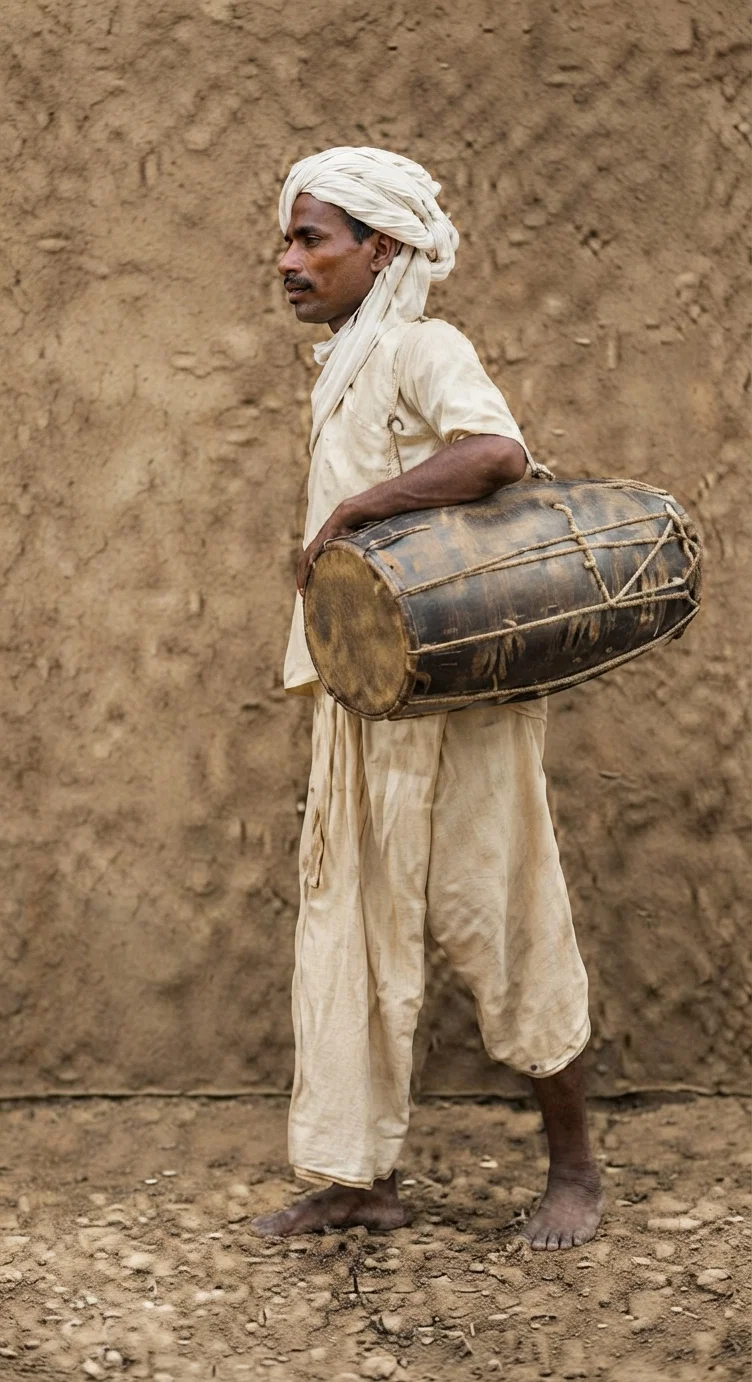
There is no such exodus as took place last year, when the cases of plague were very few. Then the people feared isolation and infringement of caste rules, and above all the inspection of the female quarters in their houses. The suggestion of house-to-house visitation by the sanitary authorities sent about 300,000 people out of Calcutta in one week, we are told. Streets near the railway stations were crowded with fugitives, riding and on foot, accompanied by coolies loaded with necessary household goods hastily gathered for the flight. Government had hastily to send out town criers with their drums to assure the public that it contemplated no really practical measures in dealing with the plague. Now, with the fear of the medical authorities removed, people wait stoically or even cheerfully for the dread visitor to take its victims and pass on.
And now again the famine covers large territories. Nearly five million people are in the relief camps established by government, and missionaries up country in the famine districts say that the terrors of the visitation are but beginning. In endeavoring to dispose of its resources for relief of the famine sufferers, government has to reckon on the fact that the people whom they are trying to preserve alive do not always consider life the most desirable thing. Where life is so great a struggle that it becomes almost unbearable, people lose the fear of death. The government was better prepared for the present famine than it was for the previous one, but outside of all that can be done by public and private and missionary effort, the suffering is unthinkable.
An Indian Town Crier.
We seem really to be so near the end that the three calamities of famine, or plague, or war are always to be working in the earth. "When Thy judgments are in the earth," said the prophet, "the inhabitants of the world will learn righteousness." These things make many think, who otherwise would not. But it is true also, as the prophet added, "Let favor be showed to the wicked, yet will he not learn righteousness." To the vast majority these conditions sound no warning. Hearts get hardened as the times get harder.
Last season two of our colporters worked in Bombay, which has been in the hands of the plague for four years. They were continually impressed with the fact that the people at large seemed hardened and indifferent to spiritual things above any other city in India. The degradation spiritually in heathenism, so called, is ever increasing, and in calamity the masses seem wedded more than ever to the superstitions which drag them down. And in the European communities, which would resent the word "heathen" as they understand it, the reign of pleasure and self-seeking goes on proclaiming an ignorance of God that makes unbelievers one, by whatever name they are called.
The only hope for India is the coming of the Lord. It is the hope of the world. The ship is a wreck, hopelessly shattered, and is sinking. We are to work not simply to make people comfortable as they are for a little time. The work is to get people into the life-boat and set their feet on the solid rock. The question as to whether the ship is inevitably sinking or not makes all the difference in the world in the methods which people will adopt.
The message, "Fear God, and give glory to Him; for the hour of His judgment is come; and worship Him that made heaven, and earth, and the sea, and the fountains of waters," is the message needed in India among all classes, from the missionary who has not yet become aware of the glorious fact of a special judgment-day message, to the poor Hindu who needs, ere it is forever too late, to get acquainted with this God who made the heavens and the earth. And there is something in this message that makes itself heard. W. A. SPICER.