Untitled article

20%

Pacific Press Publishing Company · Oakland, California · Dec 12, 1900

FromSigns of the Times, Vol. 26, No. 50.

Read the full edition

FROM INDIA.

EDITOR OF THE "SIGNS"—Dear Brother: I have received from the Bombay Committee of the Americo-Indian Famine Fund a second remittance from you of $700, sent by you the last of July. I had already placed about $350 of this, from our own funds, with various missions, as I saw that you were still receiving money from your readers, and knew that it would shortly arrive. The balance of the amount will be placed as I see openings where it will be used to the best advantage. I think, however, that quite a proportion of it will go to the Church of England Bhil Mission, where they seem to be using more funds in the actual feeding of the hungry than anywhere else just now. The Bhils are an aboriginal tribe, inhabiting a hilly country, and have been heavy sufferers during the famine. Their nomadic instincts and the difficulty of securing their co-operation have made the task of saving them from starvation in this time exceedingly difficult; so I should judge from the missionary reports.
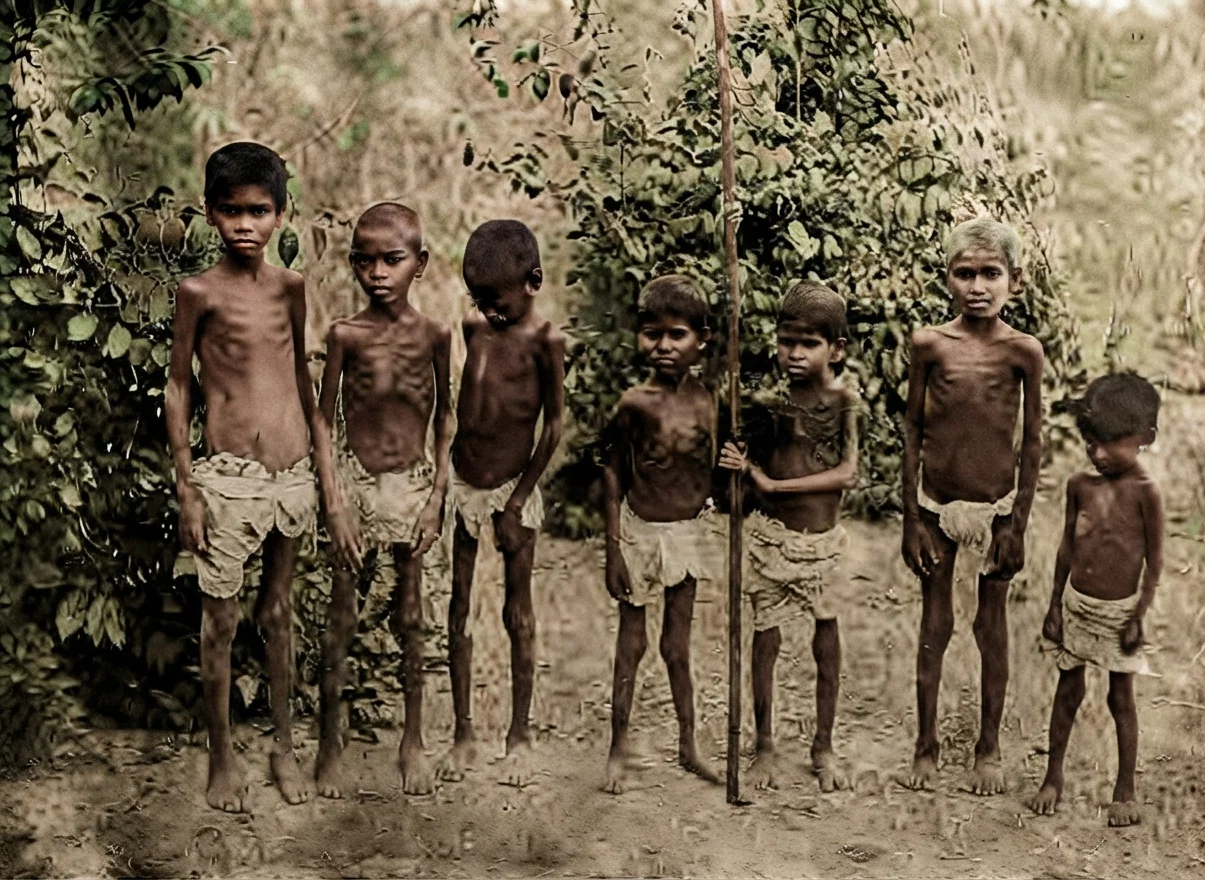
Orphaned, Deserted Children. They can be saved.
The famine is broken, evidently, over practically the whole famine area, tho the government continues to give relief to millions, and will continue to do so until crops are available again. Most of the missionary effort, as near as I can learn, aside from a few points, as the Bhil country, is now directed to feeding and clothing and caring for the orphaned and widowed, and providing for their future needs, or looking after the village cultivators connected with the missions or within mission spheres. Further contributions sent through your readers I shall endeavor to put in as wisely as I can.
The expression of sympathy in so practical a form as has been manifested in America and Europe in this time must certainly be a testimony to the non-Christian peoples of India. The suffering has been among the lower castes principally, and the outcastes, but they must know that somebody in the world has thought of them aside from the government, which in India is the ma-bap (the mother and father) of the people. If all this help could be widely separated, in the minds of the more intelligent Hindu population, from all idea of making proselytes, the influence would be far greater. But some things are unavoidable in this world. I have regretted to see that some missions are already busy baptizing and making "Christians" of children and widows gathered in from the famine areas. There have been many children gathered from the state poorhouses and camps, and also many widows. In many missions these are made "Christians" very easily. It misleads the intelligent heathen. But it is the way of the world, and I suppose we must not think it any more difficult for the waters of India to make little Hindus Christians than for the waters of America or England to make those upon whom it is sprinkled children of God and inheritors of the kingdom of heaven. The popular perversions of Christianity, however, mixed as they are with ideas borrowed from paganism, look worse in these lands where we find the unadulterated heathenism. W. A. SPICER. September 19, 1900.