THE miracle recorded in the above scripture is often set down as the second of the miracles which Jesus wrought; but the record states that it is "the second sign that Jesus did, having come out of Judea into Galilee." It was the second miracle in that region. That He had wrought others is clearly indicated by John 2:23; 3:2; and 4:45. It is very evident that the thirty-six or more miracles which are recorded of our Lord are only representative ones, each containing some lesson peculiar to itself, and revealing some additional grace or power of the Master.
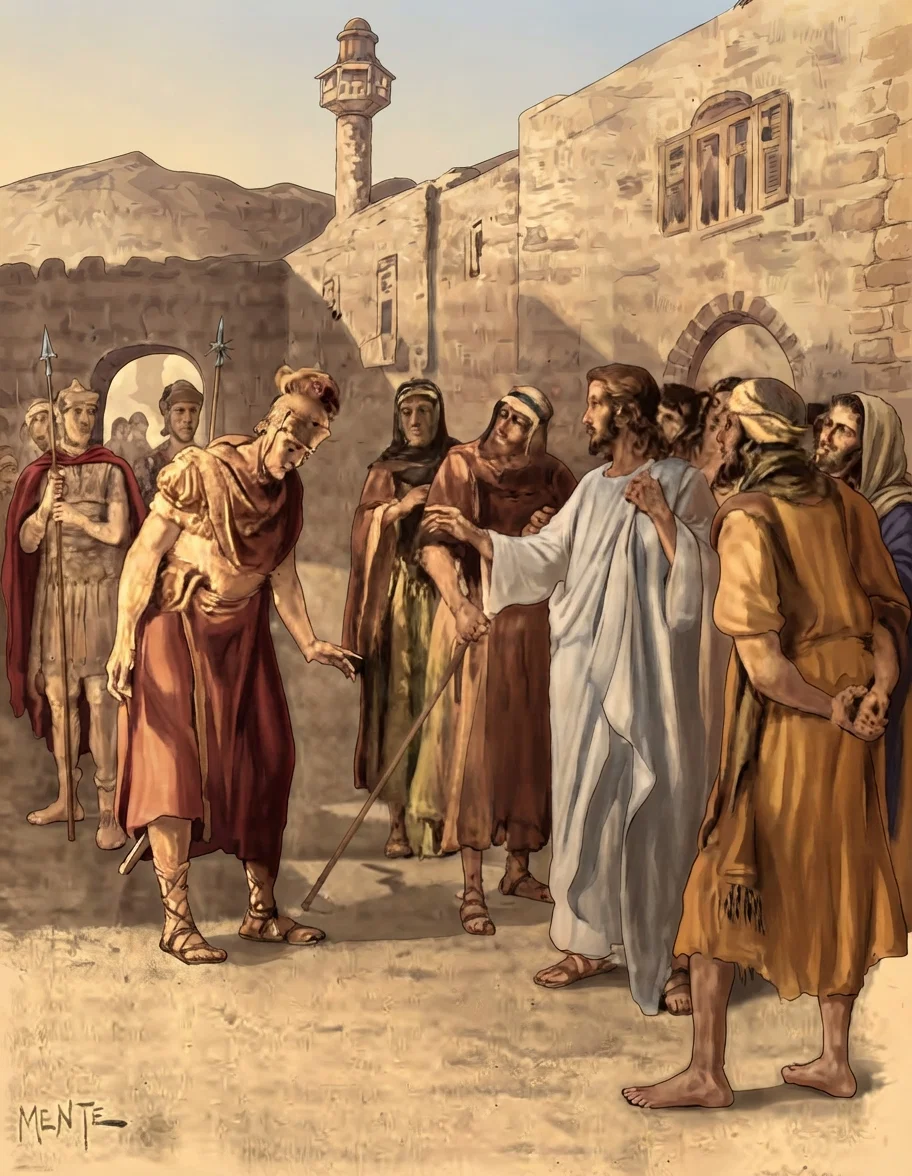
THE record of this miracle is very human on its material side. A Roman officer is at Cana whose son is sick at Capernaum. Evidently he had been summoned home by his son's sore sickness. The heart of the father is stricken with grief. The skill of physicians at Capernaum seems to have been taxed to the limit, without avail. The son is getting worse, and the father is almost in despair, when Jesus comes upon the scene.
THE fame of the mighty Wonder-worker had preceded Him. Many of the Galileans had been at the Passover at Jerusalem. They had seen the unrighteous buyers and sellers driven from the temple courts before the righteous indignation of the Galilean Prophet. They had seen and heard of the mighty signs performed. They recalled the transmutation of the water into wine at the marriage feast. And now the Master had come to Cana again. The Roman nobleman must have heard of these things, perhaps had indifferently regarded them as tales of a deceived people. To believe them he must himself witness them.
BUT now he is in sore need. How his national pride, his flimsy theories, fall before the specter of Death which hangs over his beloved son in that sick room at Capernaum! How frequently he who in health scoffs and jeers at religion, when sickness comes upon him, weeps and wails in his fear, and seeks the prayers of the very ones he has ridiculed. To the winds the Roman dignity and prejudice and philosophic unbelief is cast, and the proud Roman officer goes to Jesus, and beseeches Him to save his son, who is "at the point of death." Jesus reads the doubting heart of the father, and, in His goodness, opens it that the father may see. Therefore He said, perhaps using almost the aforetime words of the father: "Except ye see signs and wonders, ye will in nowise believe."
THERE was no outward manifestation of power, but the wonder-working word had probed to the depth the nobleman's mind. It had answered his lingering doubts by its revelation of his own feeling, and he turns to the Master almost vehemently, "Sir [or "Lord"], come down ere my child die." And the sympathetic heart of the Master of Life responds: "Go thy way; thy son liveth." The personal presence of the Master was not needed. His touch was not needed. No ceremony over the sick child was required. Jesus spoke, and the power of divinity was in His word, "Thy son liveth." And "the man believed the word,"—placed his own heart in harmony with it,—and went his way.
DOUBTLESS, in the beginning of his journey to Capernaum, the heart of that father must have been assailed with doubt. Not one soul delivered from bondage by the Master but must meet the attacks of the enemy. But He who had read his heart had said, "Thy son liveth." In that word he hopes against all the assaults of the enemy. He sees eager men approaching. In a little space he recognizes them as his own slaves. Their very manner gives him hope. They approach with the glad message, "Thy son liveth." Now the analytic mind will meet the doubts of the enemy, and he inquires when the boy began to amend,—he will even entertain a gradual work in the healing. The answer is that at the seventh hour (1:00 P.M.) "the fever left him," the very hour when Jesus said, "Thy son liveth; and himself believed, and his whole house."
"Go Thy Way; Thy Son Liveth."
JESUS is not personally present to heal our infirmities, but His word is ever potent. Let the fathers and mothers in Israel learn from this simple record that He hears earnest, importunate prayer. Are your children unconverted? Are they out of the ark of safety? Are they spiritually sick, with no human help or hope? Go to the Master. Put away the unbelief. Bow in His presence, and plead for His interposition to arrest the plague of sin which is eating away the life of your child. Plead, "Lord, help, ere my child eternally4die."
Will He hear? Did He hear the Roman officer of old? And He is "Jesus Christ the same yesterday, and to-day, and forever."