IN the seventh chapter of the book of Daniel is presented a vision, together with an inspired interpretation of what the vision means. The vision, as the interpretation shows, presents the history of the world in advance. It is difficult to write a true history after the events have actually occurred, yet men may do this in a very satisfactory manner. But to write the history thousands of years before the events occur, requires the all-wise attributes of Jehovah Himself. And the fact that such a history has been given by the prophet, long before the events occurred, proves that he wrote by the inspiration of the Almighty. The vision given to the prophet is in the following language:
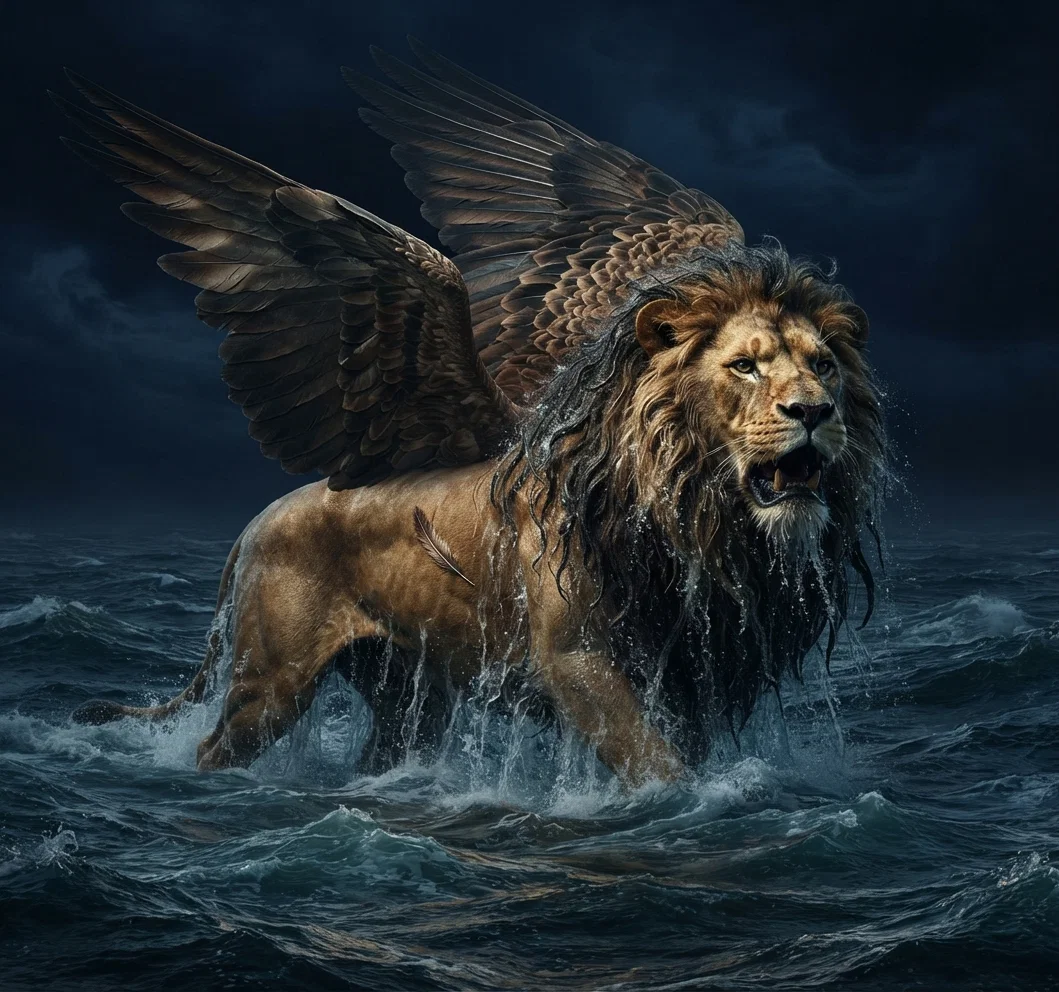
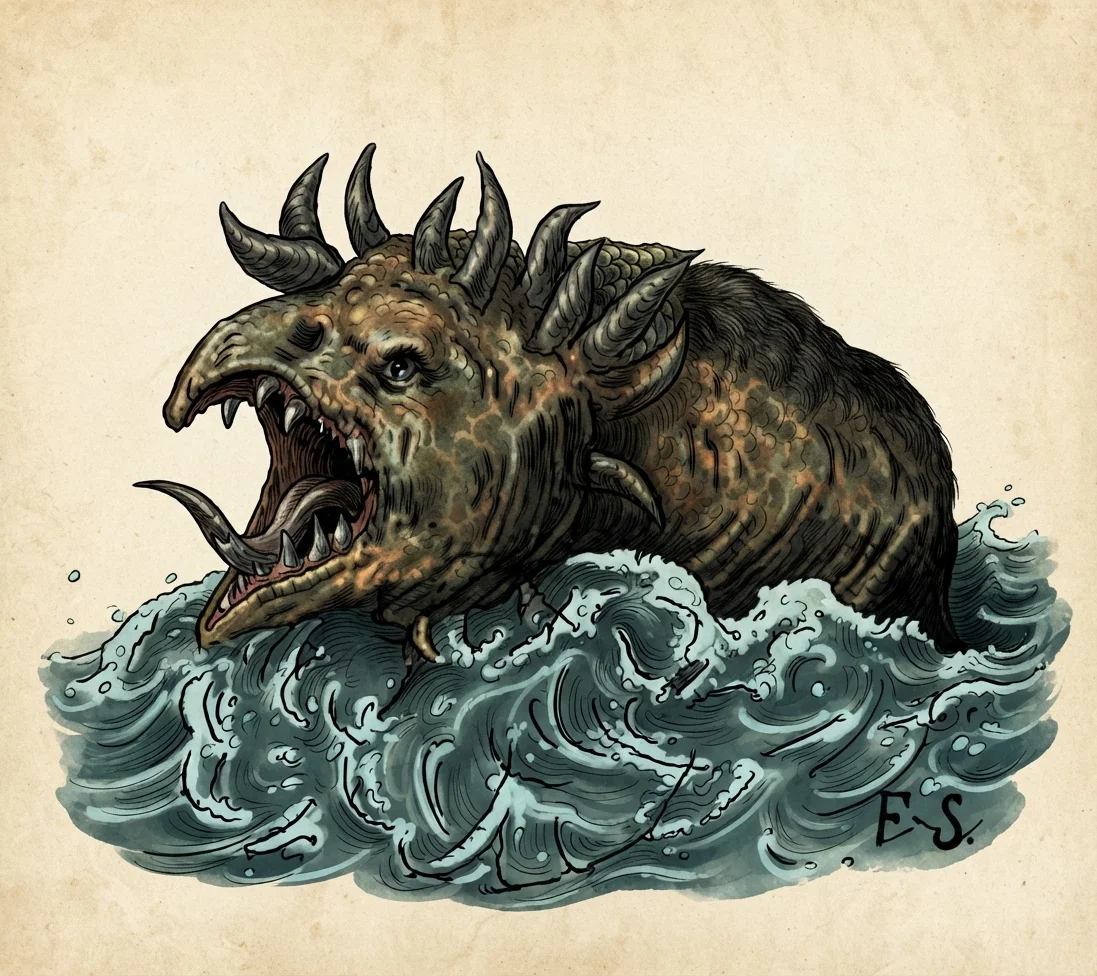
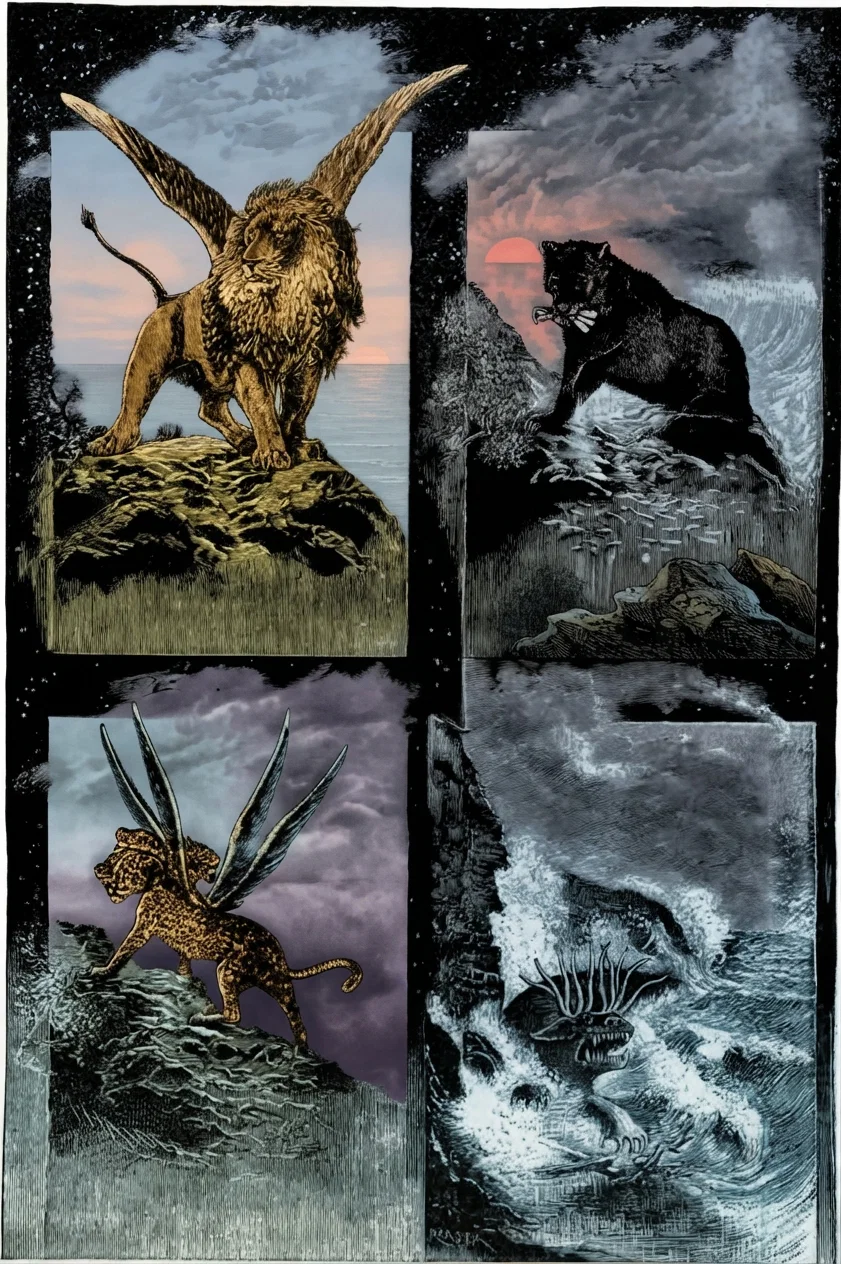
"In the first year of Belshazzar king of Babylon Daniel had a dream and visions of his head upon his bed: then he wrote the dream and told the sum of the matters. Daniel spake and said, I saw in my vision by night, and, behold, the four winds of heaven brake forth upon the great sea. And four great beasts came up from the sea, diverse one from another. The first was like a lion, and had eagle's wings: I beheld till the wings thereof were plucked, and it was lifted up from the earth, and made to stand upon two feet as a man; and a man's heart was given to it. And, behold, another beast, a second, like to a bear; and it was raised up on one side, and three ribs were in its mouth between its teeth; and they said thus unto it, Arise, devour much flesh. After this I beheld, and, lo, another, like a leopard, which had upon its back four wings of a bird; the beast had also four heads; and dominion was given to it. After this I saw in the night-visions, and, behold, a fourth beast, terrible and powerful, and strong exceedingly; and it had great iron teeth; it devoured and brake in pieces, and stamped the residue with its feet: and it was diverse from all the beasts that were before it; and it had ten horns. I considered the horns, and, behold, there came up among them another horn, a little one, before which three of the first horns were plucked up by the roots: and behold, in this horn were eyes like the eyes of a man, and a mouth speaking great things." Dan. 7: 1-8.
It will be observed in the foregoing vision of the prophet that he first saw "four great beasts come up from the sea." Then following this view of the beasts he presents in sublime the simple language the great panorama of the judgment scenes that were caused to pass before his mind, of which we can not now speak. See verses 9-14.
It would be very easy for men to get lost in speculations in regard to what this imagery of beasts and these views of judgment thrones might mean. But the great Author of the Bible does not leave us to the temptation of thus speculating. Following the vision He gave the interpretation also to the prophet. Read the interpretation in the following paragraphs just as they are presented in the inspired Book.
The Bible's Own Interpretation of the Vision.
"As for me, Daniel, my spirit was grieved in the midst of my body, and the visions of my head troubled me. I came near unto one of them that stood by, and asked him the truth concerning all this. So he told me, and made me know the interpretation of the things.
"These great beasts, which are four, are four kings, that shall arise out of the earth. But the saints of the Most High shall receive the kingdom, and possess the kingdom forever, even forever and ever. Then I desired to know the truth concerning the fourth beast, which was diverse from all of them, exceeding terrible, whose teeth were of iron, and its nails of brass; which devoured, brake in pieces, and stamped the residue with its feet; and concerning the ten horns that were on its head, and the other horn which came up, and before which three fell, even that horn that had eyes, and a mouth that spake great things, whose look was more stout than its fellows. I beheld, and the same horn made war with the saints, and prevailed against them; until the Ancient of days came, and judgment was given to the saints of the Most High, and the time came that the saints possessed the kingdom.
"Thus he said, The fourth beast shall be a fourth kingdom upon earth, which shall be diverse from all the kingdoms, and shall devour the whole earth, and shall tread it down, and break it in pieces. And as for the ten horns, out of5this kingdom shall ten kings arise: and another shall arise after them; and he shall be diverse from the former, and he shall put down three kings. And he shall speak words against the Most High, and shall wear out the saints of the Most High; and he shall think to change the times and the law; and they shall be given into his hand until a time and times and a half a time. But the judgment shall be set, and they shall take away his dominion, to consume and to destroy it unto the end. And the kingdom and the dominion, and the greatness of the kingdoms under the whole heaven, shall be given to the people of the saints of the Most High: His kingdom is an everlasting kingdom, and all dominions shall serve and obey Him." Dan. 7:15-27.
"So he told me, and made me to know the interpretation of the things." The prophet is not only told, but he is made to "know" the meaning of the vision. It is possible for a person to be told a thing and still not know its meaning. But Daniel is made to know. And if we listen to the interpretation we also may know. It is much better to know than to speculate.
The great beasts are four kings that shall arise. The interpretation says this and it is easy to be understood. Then the prophet was especially exercised in regard to the meaning of the fourth beast. He made particular inquiry concerning it, and is given many facts in regard to its character.
"The fourth beast shall be a fourth kingdom upon earth." How plain! A child can readily understand such language. Then concerning the ten horns that were on this fourth beast, the interpretation informs us, "As for the ten horns, out of this kingdom shall ten kings arise." Again, how simple and plain.
The fourth kingdom was to bear rule over all the earth, and then it was broken into ten fragments, and ten kings reign in the territory of this great world power.
When we ask for the fulfilment of this prophecy, we find that historians are unanimous in telling us of the fact that Rome ruled the entire world, and that her dominion was broken up into the ten kingdoms that are the principal nations of western Europe to-day. The three beasts that preceded this fourth one also represented universal kingdoms that followed one another in bearing rule over all the earth. But the fourth one is singled out and designated as the one that shall be broken into ten fragments. Thus do we find that the interpretation of the prophecy is very definite in telling exactly what will develop in the history of the world. And if the One who inspired this prophecy had not known definitely what was going to take place He could not have spoken so positively concerning the future history of earth's kingdoms.
Daniel had this vision about 550 years before Christ. The Roman empire had not come into existence then. Babylon was the great monarchy of the prophet's day, and she seemed so strong that it looked like folly to suppose that she would be overthrown. But the prophet not only predicts that Babylon shall be overthrown, and that three other universal monarchies shall arise, but he shows that the last one will be divided into ten kingdoms. It took a thousand years for this prophecy to unfold; but our libraries are full of authentic and trustworthy histories which show that the kingdoms arose one after the other just as predicted, and then that the fourth and last universal kingdom was divided into ten.
The remnants of these ten kingdoms are standing in the world to-day as a monument to the fulfilment of this prophecy. And note, in this connection, that just as the prophecy points out the rise and fall of these earthly kingdoms, so does it also point out that the eternal kingdom of God is to succeed them.
The four kingdoms that were to arise one after the other were each represented in the prophecy by a wild and ravenous beast. And the fourth one is so rapacious that no beast in nature could be found to fitly represent him. He is described as "terrible and powerful, and strong exceedingly," with "great iron teeth." He "devoured and brake in pieces, and stamped the residue with its feet." This description shows the character in which earthly rule, perverted to suit the ambitions and tastes of designing men, is viewed by the Lord of heaven.
Every one of these four universal kingdoms brought to light in the prophecy has persecuted the followers of the Lord. And especially is it true of the last one, that it persecuted the Lord's children in the most cruel manner. It was under the Cæsars of Rome that the Lord Jesus Christ Himself was crucified. It was under the emperors of Rome that the early apostles and followers of Christ were put to death by the hundreds of thousands. The "great iron teeth" of this monster power were not only used in grinding the peoples of earth into subjection, but they were made to crush the followers of the Christ of God.
And thus it is always the case with earthly power that does not heed the voice of the Most High, speaking to the children of men. It becomes cruel, blood-thirsty, and destructive. And with what longings of joy may we look forward to the time when the reign of earthly powers shall be at an end, and the kingdom of God, so clearly outlined in this prophecy, be launched upon its eternal career.
[The detail of this prophecy as regards the "little horn" and the judgment will be treated in future issues.]