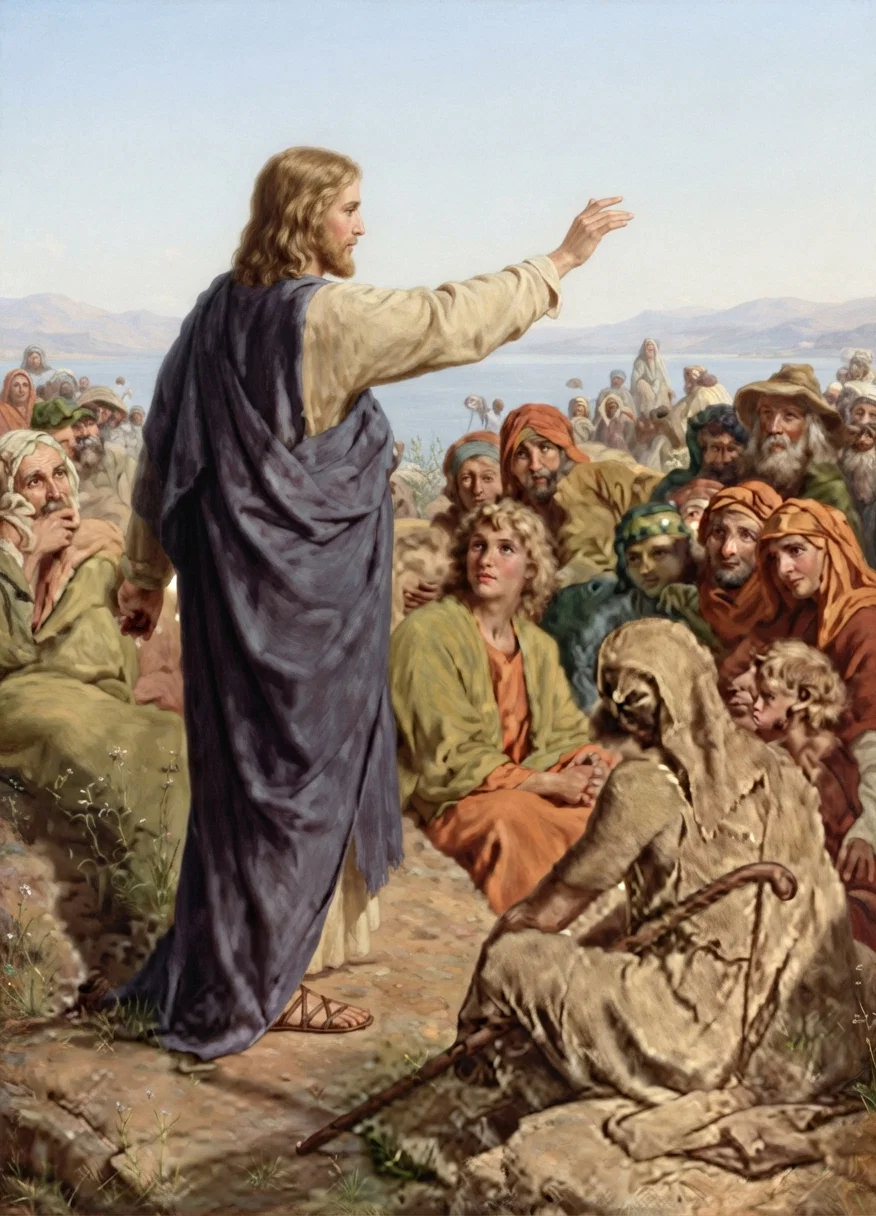
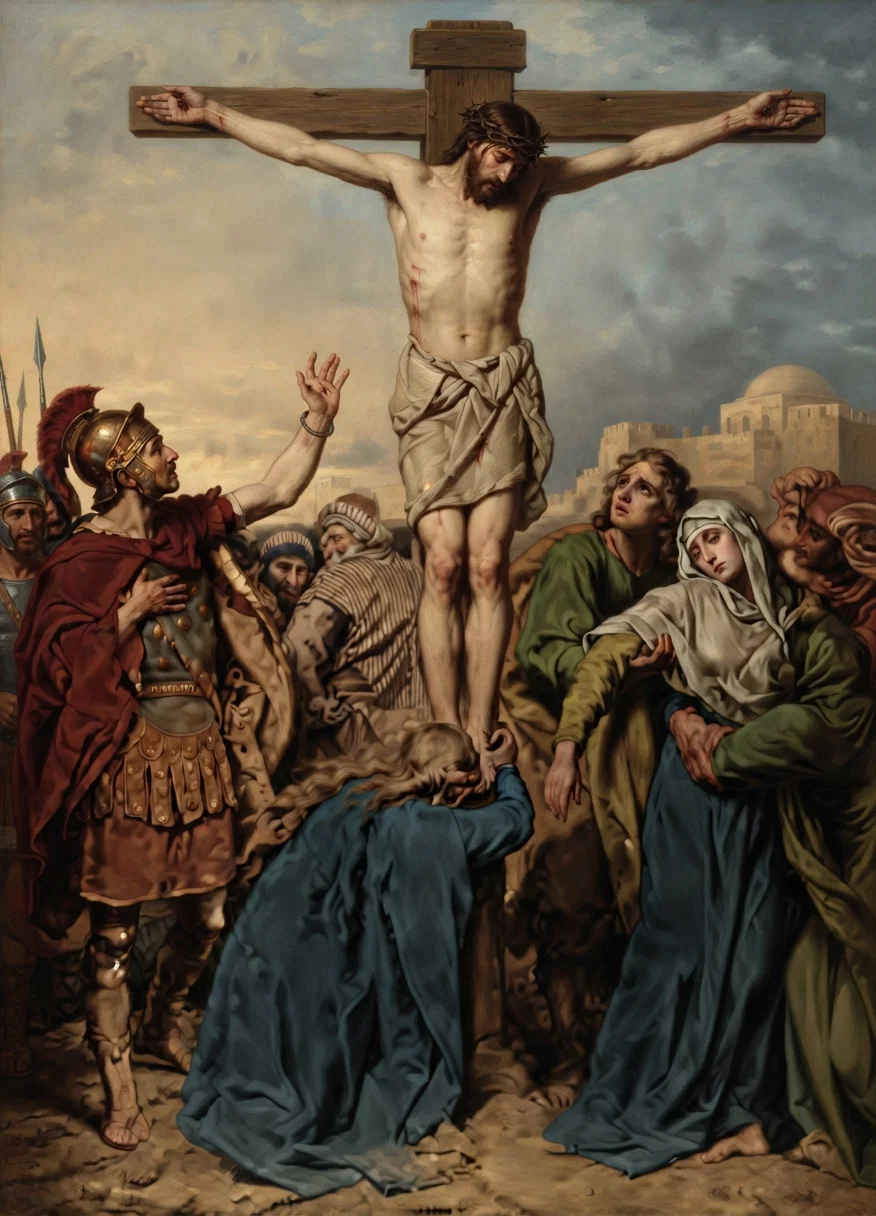
THE word "gospel" means good tidings; and it is to be regretted that it has not been so translated in all our English versions. But that is what it means to the poor sin-sick souls of earth—good tidings. Said the angel at Christ's first advent: "Behold, I bring you good tidings of great joy, which shall be to all the people; for there is born to you this day in the city of David a Saviour, who is Christ the Lord." Luke 2:10, 11.
By this it is not meant that "the good tidings" here first came to man. Away back in the Garden of Eden, where man fell, the word came that the Seed should come who would bruise the destroyer's head and deliver those whom Satan had bound and shut up in the prison-house of sin. Gen. 3:15. The same precious promises stand out, amplified and enlarged in the history of Abraham. Gen. 12:2, 3; 15:4-6; Gal. 3:7, 8. The promises to Israel embraced the same good tidings. Heb. 4:2. Every lamb and kid and goat and bullock offered thru all the ages prior to the angel's visit, contained in it, to the child of faith, the promise and testimony of the good tidings. Isaiah is luminant with the Gospel. From "tho your sins be as scarlet, they shall be as white as snow," to "look unto Me, and be ye saved, all the ends of the earth," the whole book is vibrant with Gospel life.
The words of the angel quoted from Luke 2:10, 11, simply mark a great advanced step in God's fulfilment of promise and type, and demonstrate that what God has said He will perform. Just before the second advent of our Lord, there still goes forth to the world, backed by His mighty angel, "the everlasting Gospel,"—the age-lasting good tidings,—God's message for all the ages.
What Is The Gospel?
Let the apostle Paul answer: "For I am not ashamed of the Gospel: for it is the power of God unto salvation to every one that believeth; to the Jew first, and also to the Greek. For therein is revealed a righteousness of God from faith unto faith: as it is written, But the righteous shall live by faith." Rom. 1:16, 17.
The blessedness of the good tidings is not that man is not a sinner, is not that there is salvation for him in himself, is not that he is not a fallen creature, but one lacking growth and development. The Gospel tells no such delusive story. Man knows that he is a sinner. God's Spirit has pierced him with the darts of the law. He is "without strength." He has demonstrated that in his own moral failures. He loves sin and is in bondage to the flesh. The history of his own life is the demonstration of its truth. And what is true in him is true in all the race; for "all have sinned, and come short of the glory of God." Rom. 3:23. All are subject to death; for "the wages of sin is death." Rom. 6:23. Aroused by conviction, the sinner longs to do good, and fails. "To will is present with me; but how to perform that which is good I find not. For the good that I would I do not; but the evil which I would not, that I do." Rom. 7:18, 19.
Such is man's condition by nature. Such God's law reveals, pressed home upon the heart by the Spirit. It is no flattering picture which the Spirit draws. The Gospel of God is the message of the true Physician that our case is hopeless; that the disease is fatal; that not only is man unable to save himself; but "none of them can by any means redeem his brother, nor give to God a ransom for him;" that he is "separate from Christ, alienated from the commonwealth of Israel, and strangers from the covenants of the promise, having no hope and without God in the world;" that, not having righteousness, he is "alienated from the life of God." Ps. 49:7; Eph. 2:12; 4:18. And such is all mankind.
Its Power and Purpose.
But not there does the God of love leave the race; "for God so loved the world, that He gave His only-begotten Son, that whosoever believeth in Him should not perish, but have everlasting life." The Father and the Son "gave Himself for us, that He might redeem us from all iniquity, and purify unto Himself a peculiar people, zealous of good works" (Titus 2:14). "Thou shalt call His name JESUS," said the angel; "for He shall save His people from their sins." Matt. 1:21.
That is the purpose of the Gospel—to save men from sin, from sinning, from all the consequences of sin; and that it will do to every one who believes from faith to faith. In that wonderful fact lies the good tidings to lost and sinful men.
If the Gospel saves from sin, it must save to righteousness; and the only righteousness which is acceptable in God's sight is God's righteousness. That righteousness, wrought out by the obedience of Christ, God bestows upon the believer. Rom. 5:19. God counts the believing sinner as tho he had never sinned. "But to him that worketh not, but believeth on Him that justifieth the ungodly, his faith is reckoned for righteousness. . . . . Blessed are they whose iniquities are forgiven, and whose sins are covered. Blessed is the man to whom the Lord will not reckon sin." Rom. 4:5-8.
God's law condemns sin that it may be put away; and when God forgives that sin—the transgression of the law—it is done in harmony with the law. This is evident from the fact that the righteousness which God brings to us thru the Gospel by faith is the same righteousness which the law demands, for to that law the Gospel bears witness. "But now the righteousness of God without the law is manifested, being witnessed by the law and the prophets; even the righteousness of God, which is by faith of Jesus Christ unto all and upon all them that believe; for there is no difference." Rom. 3:21, 22. "The law entered, that the offense might abound. But where sin abounded, grace did much more abound." Rom. 5:20. The abounding grace of God covers every confessed sin, cleanses every acknowledged stain, washes the crimson sin white, bleaches as snow the scarlet heart.
But Christ is not "the minister of sin." God does more than this. He puts His Spirit, His life, His own creative power into the heart of the child of faith, so that in that child may be fulfilled "the righteousness of the law." Rom. 8:4. Thus saith Jehovah: "A new heart also will I give you, and a new Spirit will I put within you; and I will take away the stony heart out of your flesh, and I will give you a heart of flesh. And I will6put My Spirit within you, and cause you to walk in My statutes, and ye shall keep My judgments, and do them."
And to the above the following bear witness: 'If any man be in Christ, he is a new creature; old things are passed away; behold, all things are become new.' 2 Cor. 5:17. The creative power of God in the Gospel has not changed God nor changed His requirements, but has made of man a new creature. The old sin and sinning is gone. The new life of righteousness begins. The Spirit of God gives him new power; for 'the Spirit is life because of righteousness.' Rom. 8:10. And thus is developed by creative power in the Gospel the saints who 'keep the commandments of God, and the faith of Jesus.' Rev. 14:12.
Beyond lies the glorious eternal country of God, where His life shall bloom in eternal characters of immortality, saved by grace, but children of loving obedience forever. This is God's good tidings which saves men from sin and death to righteousness and eternal life. Brother, have you heard the good tidings? Do you know the saving power of the Master? If not, why not? He invites you freely to come.