A UNIQUE HEALTH ENTERPRISE

4%

Pacific Press Publishing Association · Mountain View, California · Sep 26, 1916

FromSigns of the Times, Vol. 43, No. 38.

Read the full edition

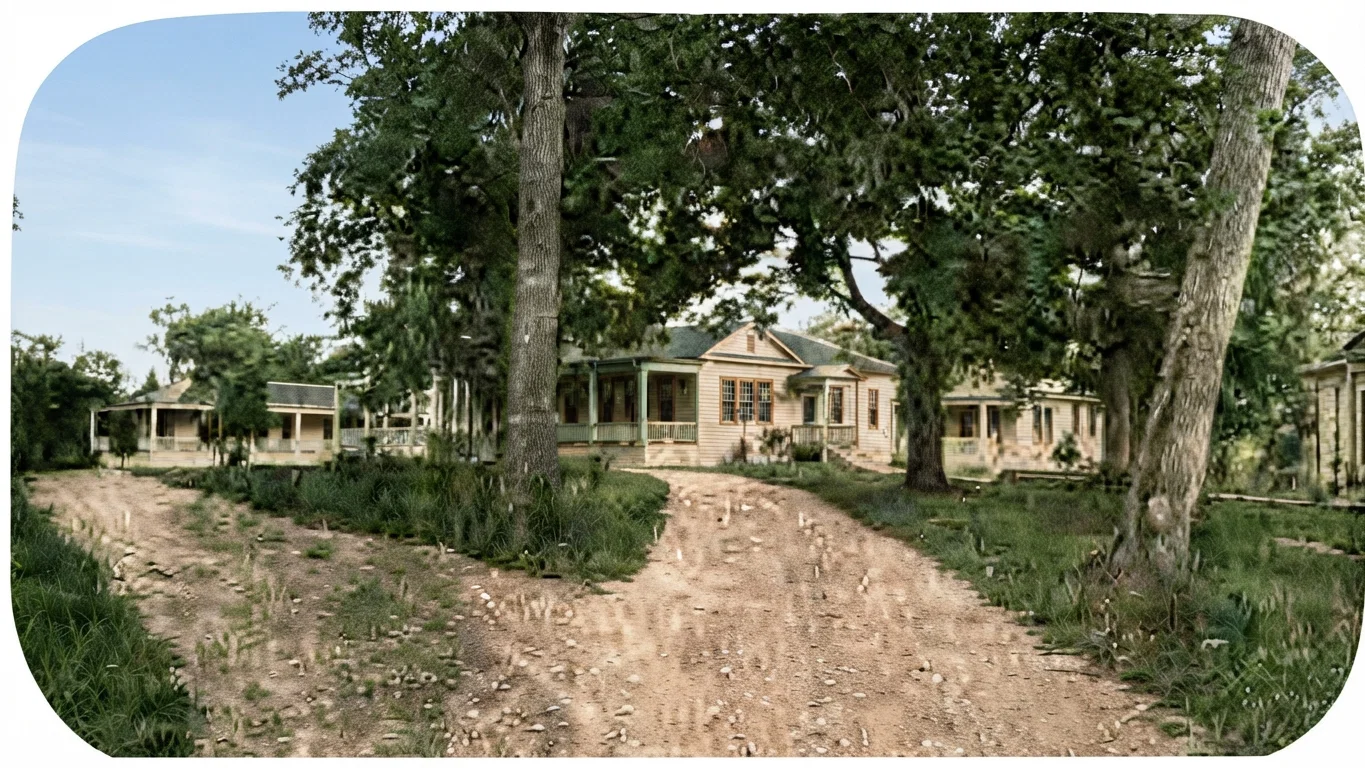
A UNIQUE HEALTH ENTERPRISE

Training Students to Establish Rural Health Homes—The Growing Demand for Such Workers
By E. A. Sutherland, M. D.
THE Rural Sanitarium, located at Madison, Tennessee, near Nashville, was established eight years ago. To open a sanitarium on a farm, nine miles from the city, with none of the special attractions found at frequented watering places or mountain resorts, and with only meager facilities for transportation, required considerable faith.
It was decided to work out the idea of a combination school and sanitarium under one and the same management, and also to build in such a way that students might be encouraged to duplicate the work of this sanitarium on a smaller scale in many of their rural schools. With this thought in mind, three plain, one-story buildings were erected not far from the institute's school building. One contains guest rooms for patients; another, two treatment rooms and a medical office; and in the third are the dining room, the kitchen, and the parlor.

Advantages of the Cottage System

ONE reason patients give in favor of the "cottage system" of the Rural Sanitarium is that the institutional spirit is minimized. Guests live in cottages. There are no elevators; there is no stair climbing; and the out-of-doors is at first hand, for the patients practically live, a large portion of the year, on the large porches and covered ways about the cottages. In the beginning, this "cottage system" was an experiment seriously questioned by many. It is now recognized by the medical fraternity as having peculiar advantages.
The cottage plan lessens the danger from fire, and limits the spread of infectious diseases. It eliminates an elaborate and expensive heating system, and greatly reduces operating expenses. It makes possible a small, inexpensive, yet complete building with which to begin operations, and this may form a nucleus for additions from time to time as there is a demand for larger quarters. This is no mean advantage where capital is limited, where debt is to be avoided, and where it is desirable to demonstrate to students what can be done with small expenditure and with simple equipment.
Thoughtful attention to hygienic diet, hydrotherapy treatments, careful nursing, kind attention on the part of the helpers, a wholesome Christian atmosphere, an abundance of sunshine and pure air, and moderate exercise, have, with God's blessing, helped many to regain their health.

From Emptiness to a Waiting List

AT first, it was a serious question how to secure patients. A modest announcement was sent out, stating when the institution would open its doors. Two patients presented themselves. They received as careful attention as though there had been a score. They regained physical health, and went home full of kind words for the institution. Others came, and the policy of advertising through pleased patients has been strictly maintained. To-day there is a constant waiting list.
Practically all the earlier patients came from Nashville, but gradually the influence of the institution was widened. It is interesting to watch the results upon a town when a pleased patient returns home. Some three years ago, a lady living in a city two hundred miles from Madison heard of the Rural Sanitarium. She spent several weeks here. On her return, another patient from the same town came on her recommendation.
Ten patients have come from that town as the result of that one first patient who went home pleased with conditions and treatments.
From another community, the sanitarium has had twenty-five patients during the last two years, as the result of one satisfied patient. There is a strong sentiment, on the part of reputable doctors, against the spending of much money on printer's ink, by medical institutions. These cases illustrate an inoffensive way of advertising a medical missionary work.
The original sanitarium idea is a quiet, retired place, away from the contaminated atmosphere of the city, with an abundance of grass and shade, and other natural things which soothe the tired and overstrained nerves.

A Great Friend-Maker

PATIENTS appreciate contact with the student body. They are interested in the school and its operations. They freely visit all the departments of the farm, the dairy, and the gardens. When able to do light work, they frequently handle the hoe alongside some young man in the school. Or they pick grapes or berries with the students.
The teacher of pedagogy in one of the South's most popular normals brought his class of fifty on a tour of inspection to what he calls his "demonstration station," the Nashville Agricultural and Normal Institute; and the whole company took dinner with the school family, eating food prepared by student cooks and served by student waiters.
The two parts of the family—the sanitarium guests, and the teachers and the students—are associated professionally, and they mingle together fraternally, each profiting by the association. There is no question but that the sanitarium has made more friends for Christian education, throughout the South, than any other department of the training school.
Vegetables with the dew still on them in the hands of the cook; fruits fresh from the trees and the vines; milk and cream direct from the sanitarium dairy,—these are some of the things patients appreciate and do not hesitate to compliment. The training school, with its farm, dairy, and gardens, solves the problem. These industries carried on by the student body dignify labor, in the eyes of many unaccustomed to such sights. And the beauty of it is that some of this interested group of spectators form new habits at the sanitarium, and return home to engage in some kind of useful labor, perhaps not for mercenary reasons, but for the better health that such a life brings.
Students in training to establish rural health homes are taught to coöperate with local physicians. We do not administer poisonous drugs. For results, we depend largely upon scientific hydrotherapy and kindred methods of treatment, upon proper diet, fresh air, and sunshine. We teach the harmfulness of intoxicating drinks, tobacco, tea and coffee, flesh foods, condiments, and unhealthful dress. Many physicians are in sympathy with these methods, although they may not be in a position to put them into practice with their patients; and they are anxious to have their patients enjoy the benefits of rational remedies.
That such workers are in demand may be seen from the following extract. A company of teachers visited the Madison Sanitarium to study its methods. One of them, after his return, wrote for help as follows:
"I am working in a settlement school at Gatlinburg, Tennessee, which was established by a college sorority, Pi Beta Phi. We have a seven-room school building, a teachers' home, and some other buildings which are to be used for industrial work. Then we have the county school building, which they gave us for a hospital. . . . Can't you send us two of your workers to settle and live with us for a while? We would like a man and his wife. There is a house for them. We have thirty-seven acres of land to farm, and we want them to start the hospital. The man should be able to teach manual training and agriculture. I understand that your rural teachers hold their annual conference soon; and I hope that at that time, you will be able to secure workers for us. This place is an ideal one for workers like yours."
Seventh-day Adventists, more than any other people, have a prior claim on the sanitarium idea. Their doctrines and practices concerning hygienic dress and diet, the disuse of intoxicating drinks, tobacco, poisonous drugs; the discouragement of anger and profane language; their belief that they should minister to rather than be ministered to, preeminently fit them for this work.

These Ideas Taking Root

MADISON holds before its students the idea that originally God intended that every Christian family should accept the entire gospel, of which the practice of medical missionary work is a part. A few families, uniting, can care for the sick on this simple plan. They should also make provision for the education of those who desire Christian training. Already these ideas are taking root. Three health homes have been established in rural schools by Madison-trained workers. Others are preparing to do a similar work.