Korea Is No More

7%

Pacific Press Publishing Association · Mountain View, California · Sep 27, 1910

FromSigns of the Times, Vol. 37, No. 38.

Read the full edition

Korea Is No More

KOREA, the "Hermit Kingdom," is a matter of history. Scarcely did she come out into the open ere she was snapped up by earth-hungry Japan.
Her annexation to Japan caused no surprise; it was expected from the day that the little island empire of the Orient conquered the great Russian nation. Korea unfortunately lay between Russian and Japanese ambition. Inert, almost dead, utterly corrupt in her government, she was doomed to fall a prey to either one or the other of the warring nations, unless the great powers of earth intervened, and they have not thought it worth while. If they can save Manchuria to China, it will be a marvel.
Korea, of course, loses her independence. Doubtless she will be taxed to the limit to meet the war burdens of Japan, and will be exploited by the Japanese government to the fullest. Apart from that, her people will probably enjoy as great or greater freedom than they did under their own government.
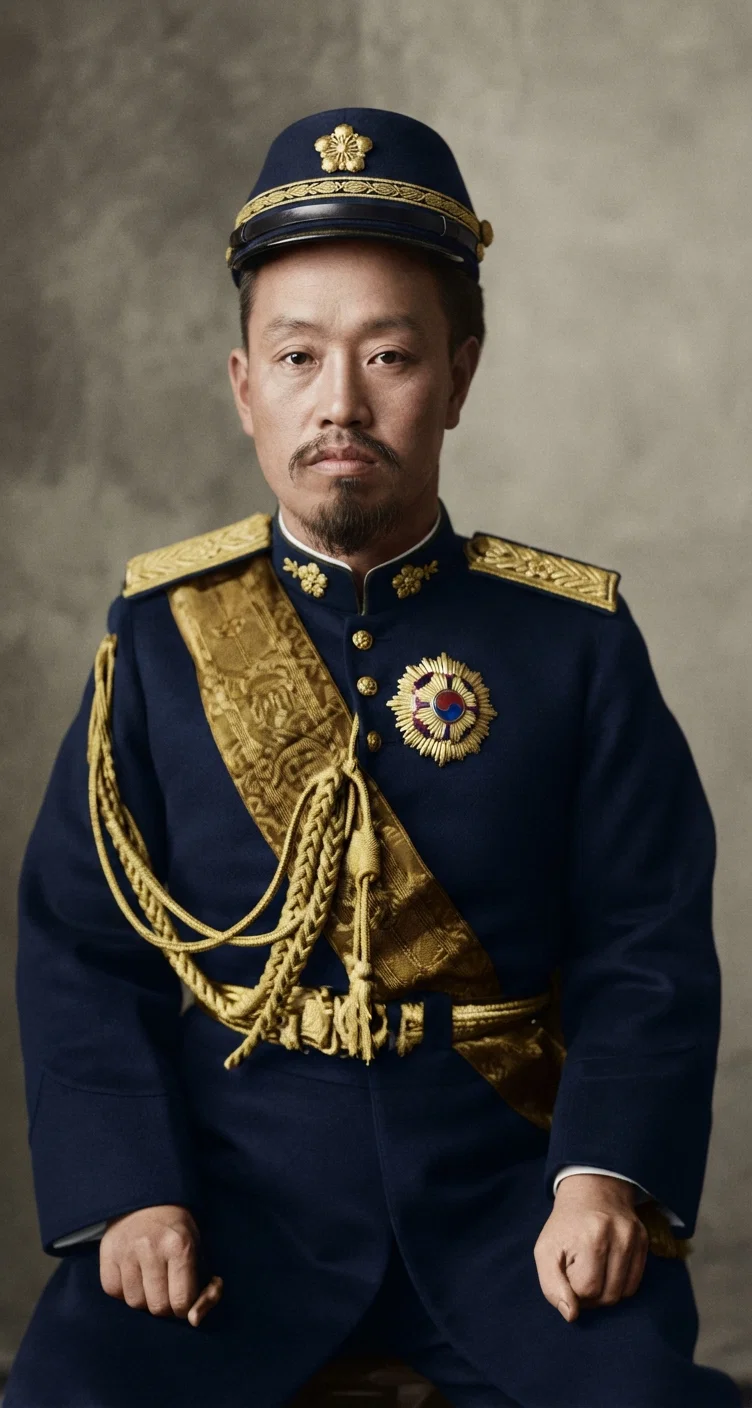
Yi Syk, the last Emperor of Korea, who has abdicated to Japan
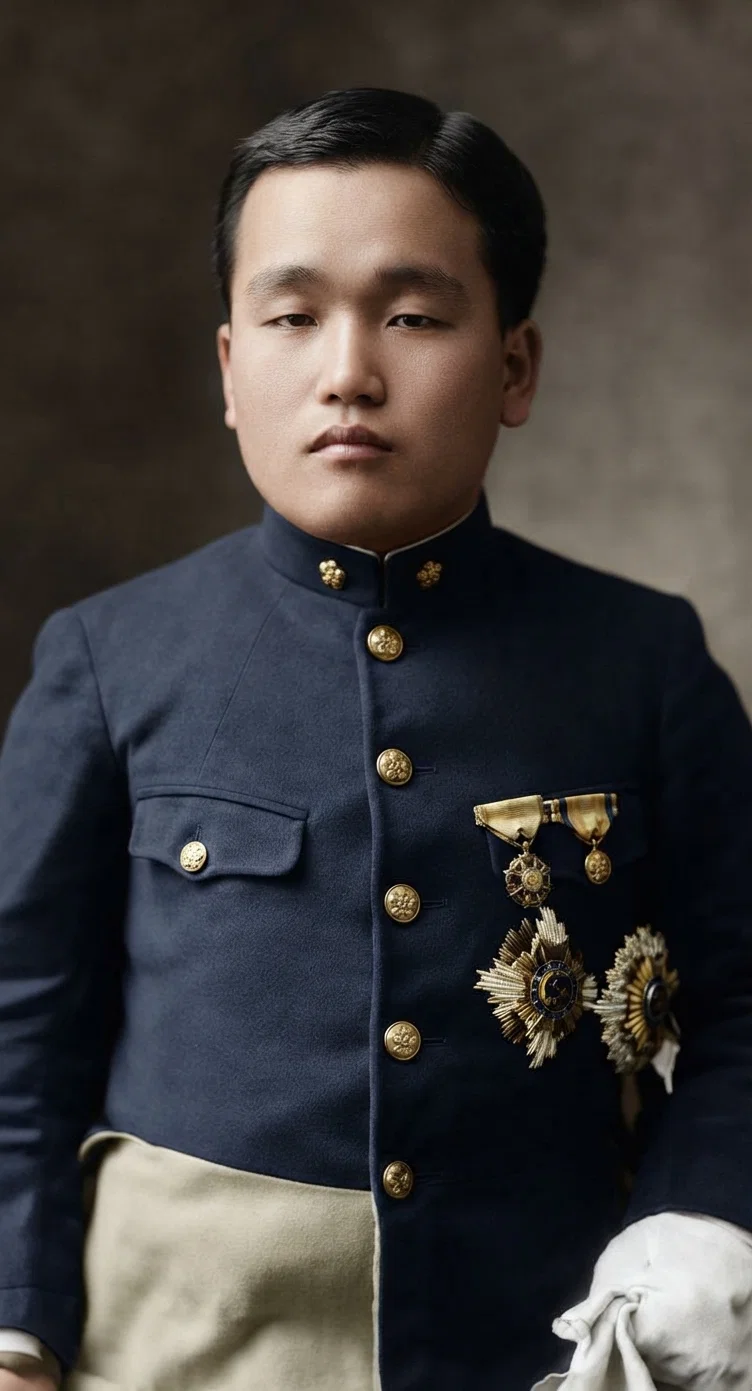
Crown Prince Yei, heir to the vanished throne
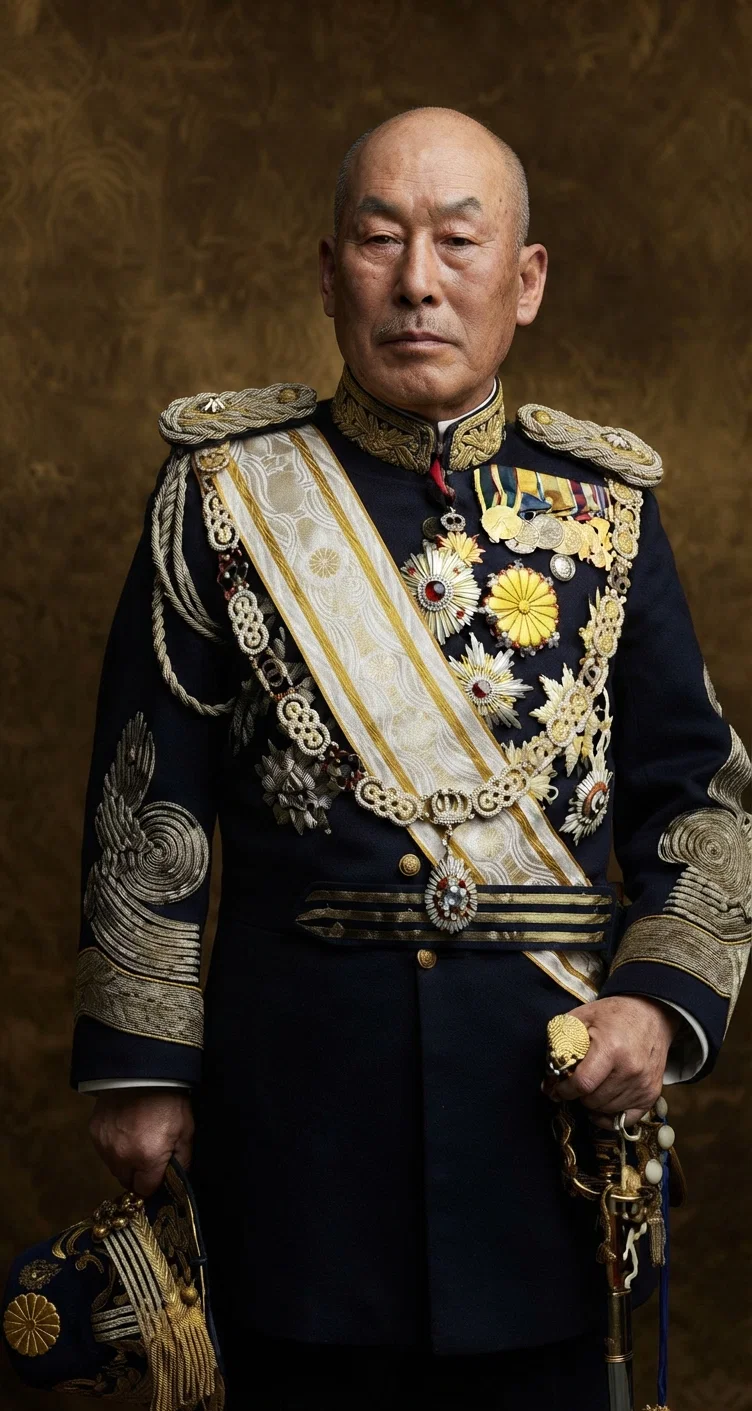
General Viscount M. Terauchi, Resident-General of Korea
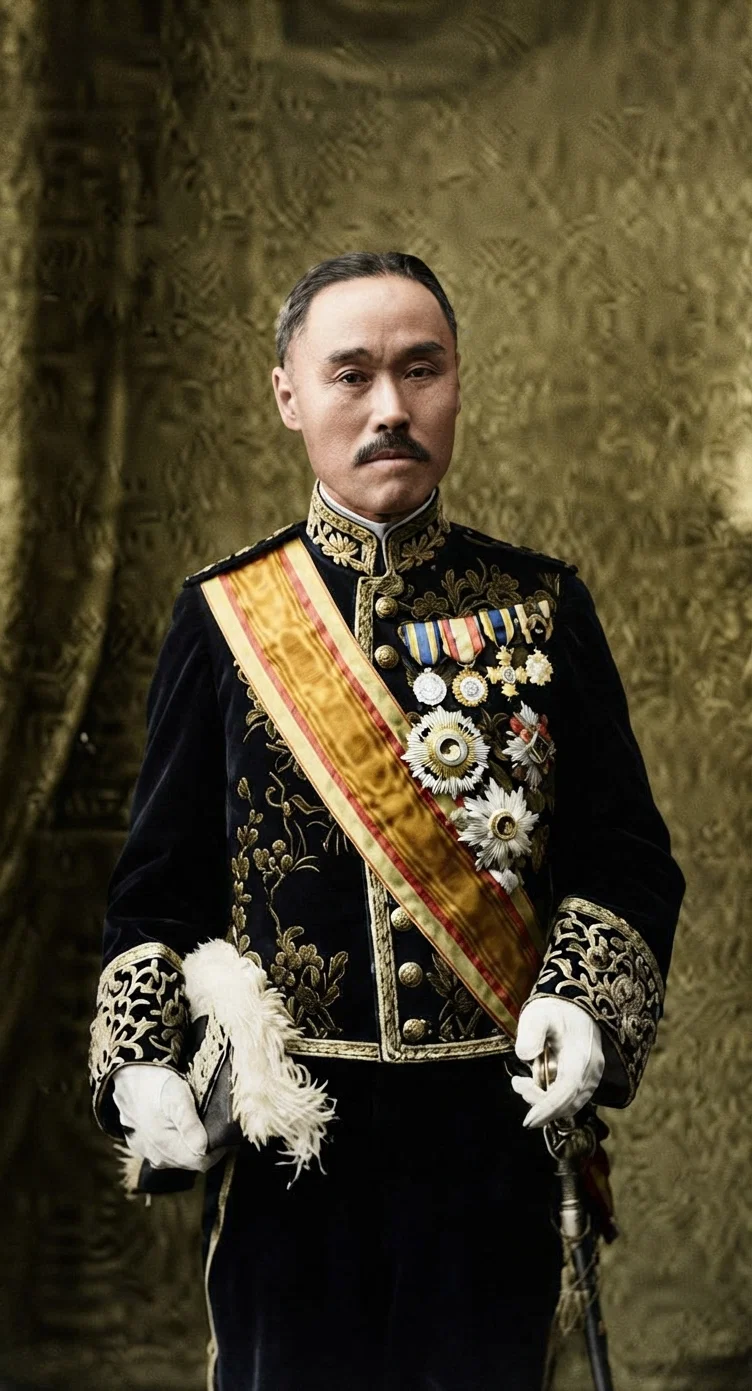
Yi Wanyong (Korean), Prime Minister under Japan
Regarding outside nations, trade will be more or less affected. Great Britain will probably be one of the heaviest losers. The Times remarks, "We do not rejoice over it" (the annexation), and further observes that Japan is not enthusiastic. The Japanese government had tried to govern Korea with the cooperation of Korean officials, but had found it impossible, and the only solution was the taking of the kingdom. The late Prince Ito is said to have been Korea's true friend, but he was a foreigner, and the only way for a foreign power to rule is to rule.
The Koreans have been offered a balm in the change of name, "Cho Sen," meaning "The Land of the Morning Calm." The emperor of Korea, Yi Syk, becomes a Japanese prince, ranking next to the crown prince, with a liberal allowance to the royal family of $750,000 a year. Certain other plums are offered to various Korean nobility. The emperor of Korea on his abdication issued the following proclamation:
"Notwithstanding our unworthiness, we have succeeded in the arduous task handed down by our ancestors. We have endeavored up to the present to follow modern administrative principles, but long existing evils and deep-rooted weakness make it impossible for us to effect reforms in a reasonable time. Therefore we feel constrained, believing it wise, to entrust the great task to other hands. I appeal to all my people not to create commotion."
The treaty of annexation was signed August 22, 1910. Whether "The Land of the Morning Calm" will develop midday tempests is a serious question. A prominent Japanese assures us that missions will not suffer.
Japan herself takes an important step. She is no longer an island empire. She could have so remained by withdrawing from Korea, when her Manchurian leases ended. But she chose to become a mainland power; will her ambitions be satisfied with the absorption of Korea? Will not her appetite demand at least a portion of the rich province of Manchuria?
We may guess. God knows. It is still true that "the Most High ruleth in the kingdom of men, and giveth it to whomsoever He will." Thank God the doors are swinging wide open to His Gospel,