Not Abandoned of God

10%

Pacific Press Publishing Company · Mountain View, Cal. · Sep 23, 1908

FromSigns of the Times, Vol. 35, No. 8.

Read the full edition

Not Abandoned of God

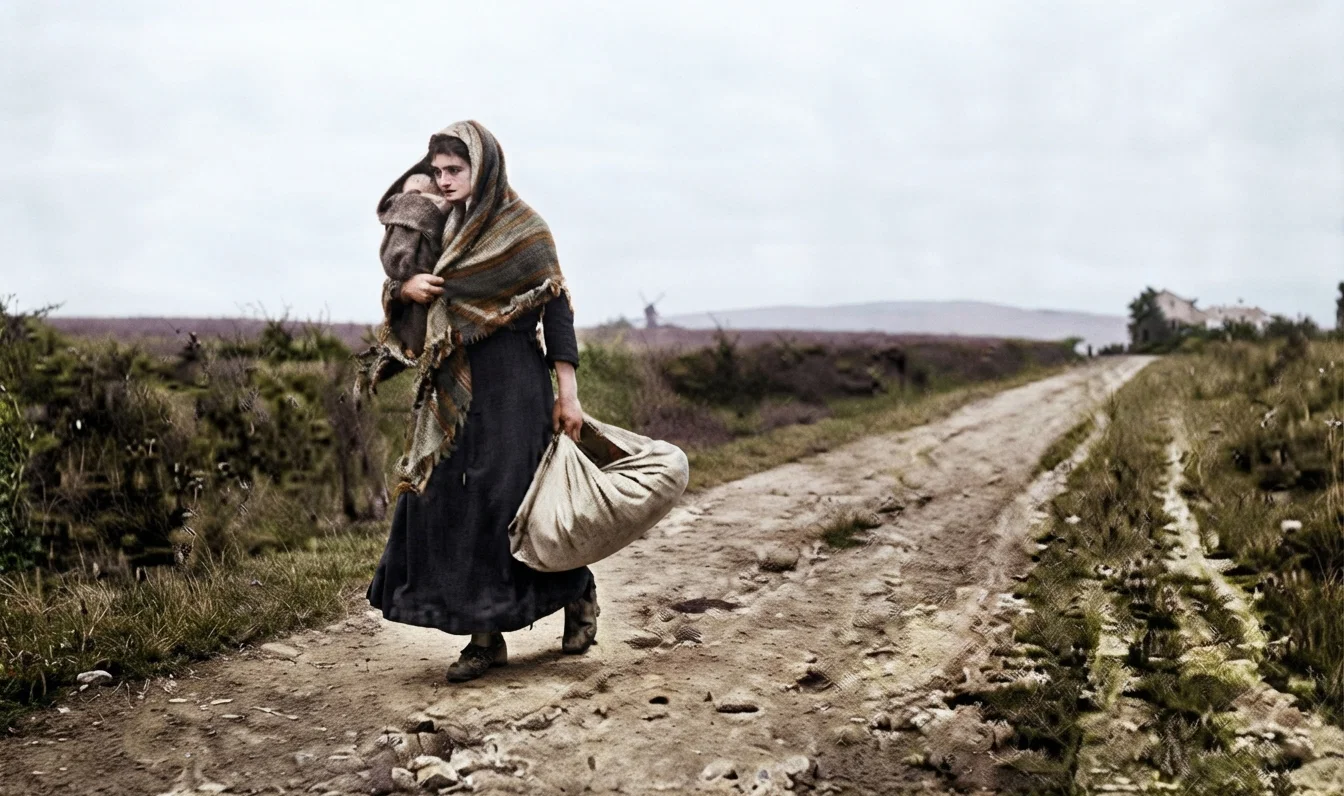
WE can almost read the story in the picture and its title. A poor girl has gone astray or been led astray from the path of virtue. She may have had a virtuous father and mother, tho not wise ones. Taking the first steps from the paths of virtue down easy grades according to common customs, she yields to resultant temptation and falls.
In her departure from virtue, a child is born. It may have been born in her father's house. She may have sought refuge there afterward. But the Puritanic father, furiously indignant at the disgrace and dishonor which has come upon his good name, turns his daughter out into the cold world, rejected, abandoned, to find shelter where she can; home is denied her. She goes forth with her helpless, innocent child and her little bundle of clothes, and her father's curse. He to whom she owes her ruin has forsaken her.
ABANDONED.
ABANDONED.
We do not see just that setting of the characters nowadays, dear reader, we grant; but the awful reality exists in Protean forms. The bleak moor, the lonely country road, the distant farmhouse or villa over the hill, may be wanting, but the abandoned women, and the women abandoned—cast out—are not wanting. The thousands upon thousands on the downward road are pitiful. Turned out upon our country roads now, and they would not be as lonely as this poor child of misfortune. They are multiplying.

The Innocent Suffer.

The picture would not be so sad if the chief sinners were the chief sufferers before the public. They are sinners, that is true. There are among them those who have abandoned all semblance to virtue, and who delight in sin. We grant it. But still, after all is said, the men who lead them astray are by far the worse sinners. Sometimes "Society" knows this, knows the man to be a debaucher of women, a corrupter of girls, but he is tolerated, sought, honored—O the pity of it!—while his victims are cast out, abandoned, and his offspring are either murdered or are in a foundling asylum. Oftentimes the first sin on the part of the woman is because of a foolish love or affection for the man who has brought her wholly within his power. Then abandoned, she gives way to despair, to recklessness, to unrestrained sin. Her betrayer is at large, plying his hellish art in ruining other unsuspecting, foolish girls, half trained at home, or with no training at all.
We are expressing it tamely; we do not dare to use words to express the indignation we feel at the awful inequality of "Society's" punishment. There are men who fall under temptation as do women; of these we are not speaking; but there are those in the form of men who, to minister to their overweening lust, deliberately plot to ruin the innocent. God lives; God knows; vengeance is His, and He will repay.

God Will Not Forsake.

But what we wanted to say here most of all is that, tho men may abandon, forsake, cast out, God will not. To the woman who has fallen by her own lust, or under the power of others, Jesus speaks as He did of old, "Neither do I condemn thee; go and sin no more." If you have sinned a thousand times, yet is there forgiveness and welcome to His heart. Where sin abounds, grace superabounds. "Tho your sins be as scarlet, they shall be as white as snow," if you will bring them to Him in simple faith. He does not abandon you. Those who come to Him, He says, He "will in nowise cast out." Then come. "He delighteth in mercy." He "taketh pleasure" in "those that hope in His mercy." Men may abandon the sinner; Christ "died to save them." Would God there were more of His Spirit among His professed people.