Federal Council of the Churches of Christ in America
By W. H. HECKMAN
Held in Philadelphia, Dec. 2 to 8, 1908
From Our Own Correspondent
[This report is from an experienced Gospel minister, a president of a conference, one fitted by experience to weigh principles and measures. It deals with a subject of not only nation-wide, but of world-wide importance. The first part of the report, given last week, dealt with the opening of the council, cooperation in mission work, and its attitude toward labor.—EDITOR.]
Resolutions on Sunday Observance.
THE climax, however, of this significant meeting was reached when the Committee on Sunday Observance brought in its report. The discussion which followed the report, and the resolution adopted, clearly demonstrated the real animating thought of those who oppose the Sabbath of Jehovah and its observers.
The resolution, as will be observed, called for "a new and stronger emphasis of . . . the first day of the week as . . . the rest day for every man, woman, and child. . . . All encroachments upon the claims and sanctities of the Lord's day should be stoutly resisted through the press, the Lord's day associations and alliances, and by such legislation as may be secured to protect and preserve the bulwark of our American Christianity."
"Resolved, That we rejoice in the prospect of unity of action among the various organizations striving in America for the preservation of the Lord's day as a day of rest and worship."
A Rift in the Lute.
These resolutions were discussed at length and were the occasion of the "first serious breach," as a morning paper expressed it, of the peace of the sessions.
The Rev. Dr. Wayland Hoyt (Baptist) proposed a resolution which stated:
"It is not our intention that anything should be done to interfere with the convictions of those brethren represented with us in this council, who conscientiously observe the seventh instead of the first day of the week as a day for rest and worship."
This resolution was hotly protested by Bishop Thomas B. Neely (Methodist), of New Orleans, and others. He said:
"I can not support that resolution. We must decide upon one day as the Sabbath. If we do not take a stand upon which day we believe we should observe as a day set apart for the worship of God, and of rest, this will give a wrong impression to the people. Is it the Lord's day or some other day that we are standing for? If it is the Lord's day, we should take the resolution by the committee and nothing more, and I trust that the resolution [Dr. Wayland Hoyt's] as proposed be not accepted. We believe in the Lord's day and must stand for it."
In support of his resolution, Dr. Hoyt said:
"I hope the resolution will pass. Let us remember that the brethren of the Seventh-day Baptist denomination are members of this council as are any other bodies. If we are going to observe brotherhood and Christian love, we are not going to clash because of the religious convictions of brethren associated with us in this council of churches. These brethren: I do not myself sympathize with them in their belief; I have respect for their convictions. I do respect them for the fact that they are willing to sacrifice. I respect them for their willingness to stand firm and true to what they believe."
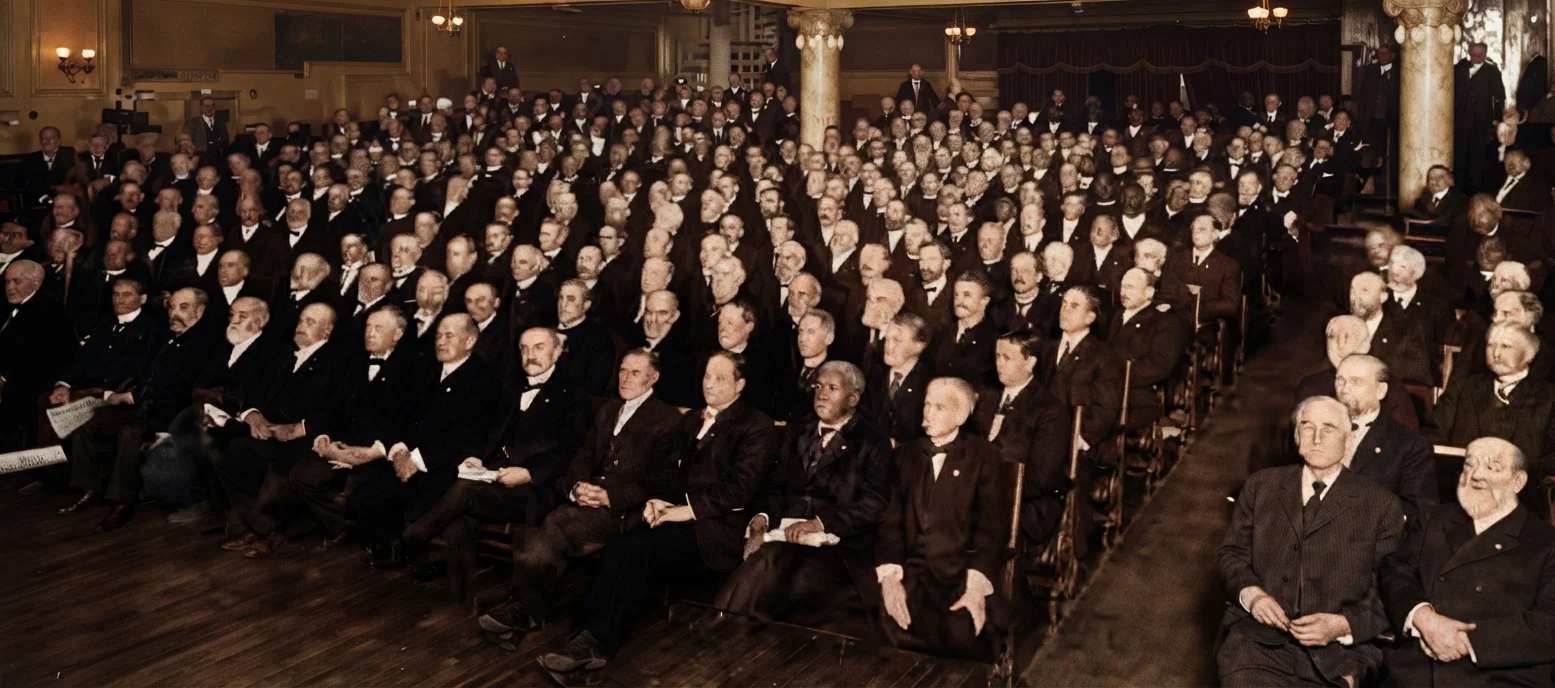
The Delegates to the Federal Council of Churches.
Dr. Hoyt further stated that he fully sympathized with the spirit of the resolution already submitted — favoring the Lord's day (Sunday), yet he earnestly hoped that his resolution favoring the Seventh-day Baptists would pass, as he believed God looked smilingly upon the desire to be absolutely fair and just and brotherly to all represented in this federation of churches.
The Rev. Dr. Arthur E. Main, Dean of the Alfred (N. Y.) Theological Seminary (Seventh-day Baptist), made an eloquent plea for religious liberty, in part saying:
"We know that we represent the smallest body in this conference, and on that account we recognize with gratitude your recognition of us. . . . You recognize us as standing together with you in the fundamental principles of salvation. . . . Shall it be that this council refuses to say that we shall not be interfered with in the exercise of our religious convictions when we have stood with you in all these things?"
In reply, a delegate said:
"I think it is a mistake to approach this question from the theoretical side. The question is: Is the Sabbath, or the Lord's day, the first or the seventh day of the week? That is the question that is before us. This is not the time or the place to settle this question. But it is one that will be decided sometime. In the meantime we will have Sabbath observance on that day (the first day), or we will not have it for one hundred years. . . . It is very unfortunate that this resolution was introduced. Our committee declines to consider it as unwise. The question is whether this council will step back and leave the first day of the week without its due recognition from this body. . . . We are confronted with a condition, not a theory."
It was then moved that the resolution be read again, which was done by Dr. Hoyt.
Appeal for Tolerance Rejected.
Rev. William F. Richardson, of the Disciples of Christ, Kansas City, Mo., closed this discussion with a stinging speech insisting upon an unqualified declaration in favor of Sunday, saying among other things:
"We must remember that with the brethren who have come to sit with us, there are others who hold hostile relations to us and the principles we believe to be right. . . . If we were to accept this resolution, that would give the impression that we acknowledge that there is another day than the first day of the week which is the Lord's day, the Sabbath, a day of rest and for worship of God. I say there are those who will take advantage of any such admission on our part. The Jews will feel a still stronger assurance in their belief. . . . The Seventh-day Adventists will take part in their antagonism to many of the things which we hold sacred, in addition to their assaults upon the first day of the week as a day of rest and worship. . . . This resolution [Dr. Hoyt's] should be left alone; it should not come before us. We must take our stand as a body united in the belief that the Lord's day is a day of rest and worship. Thus we can take our stand before the world. . . . Let us as a body stand in this conviction and therefore not accept the resolution."
THE RESOLUTION WAS VOTED DOWN BY A LARGE MAJORITY.
The Chairman States His Views.
In opening the discussion upon Sunday observance, the Rev. Frederick D. Power, chairman of the committee, deplored the multiplication of Sunday amusements, theaters, excursions, ball games, and social functions as a serious menace to the sanctity of the Lord's day. He said:11
"We are gratified that the President has ordered the minimum of work in the government departments on Sunday, and the American Federation of Labor has declared emphatically in favor of Sunday as a day of rest."
"Introduction by immigrants of the Continental conceptions of Sunday; the organization of secular unions and liberty leagues for its destruction; ... the indifference, neglect, and even open violation on the part of many church people; and determined resistance to Sunday regulations on the part of mistaken religionists, must be met. Nothing less than physical and spiritual health, family and Christian life, national prosperity and the advancement of the kingdom of God, call for such federation of the forces of righteousness to hold the Christian institution inviolate. The Lord's day is the day of days."
The overwhelming defeat which the resolution favoring Seventh-day Baptists received, refusing even to go on record as willing not to interfere with the convictions of those who conscientiously observe the seventh instead of the first day of the week, and the spirit manifested by the champions of the Sunday-Sabbath at this representative gathering, is but a slight indication of what seventh-day observers may expect in the very near future when they refuse to respect the legal Sunday. "Future events cast their shadows before."
The Use of the Civil Power.
To what extent the new union of churches proposes to use the civil power in suppressing what it calls "moral" evils, is already very apparent. Attention in this connection is again called to the statement made by Rev. Dr. Roberts, one of its leading spirits: "Our action on Sunday labor will be put on an economic basis. We will try to have the Sabbath (Sunday) as a day of rest ESTABLISHED BY LAW. . . ." Again, it was stated by one speaker that when the request was made for the appointment of additional chaplains, the President suggested that if the churches would PREVAIL UPON THEIR CONGRESSMEN, the bill would go through. If Congressmen will give deference to the demands of the church for legislation in one matter that is specifically religious, it follows that the church may frequently demand and receive similar favors from the state.
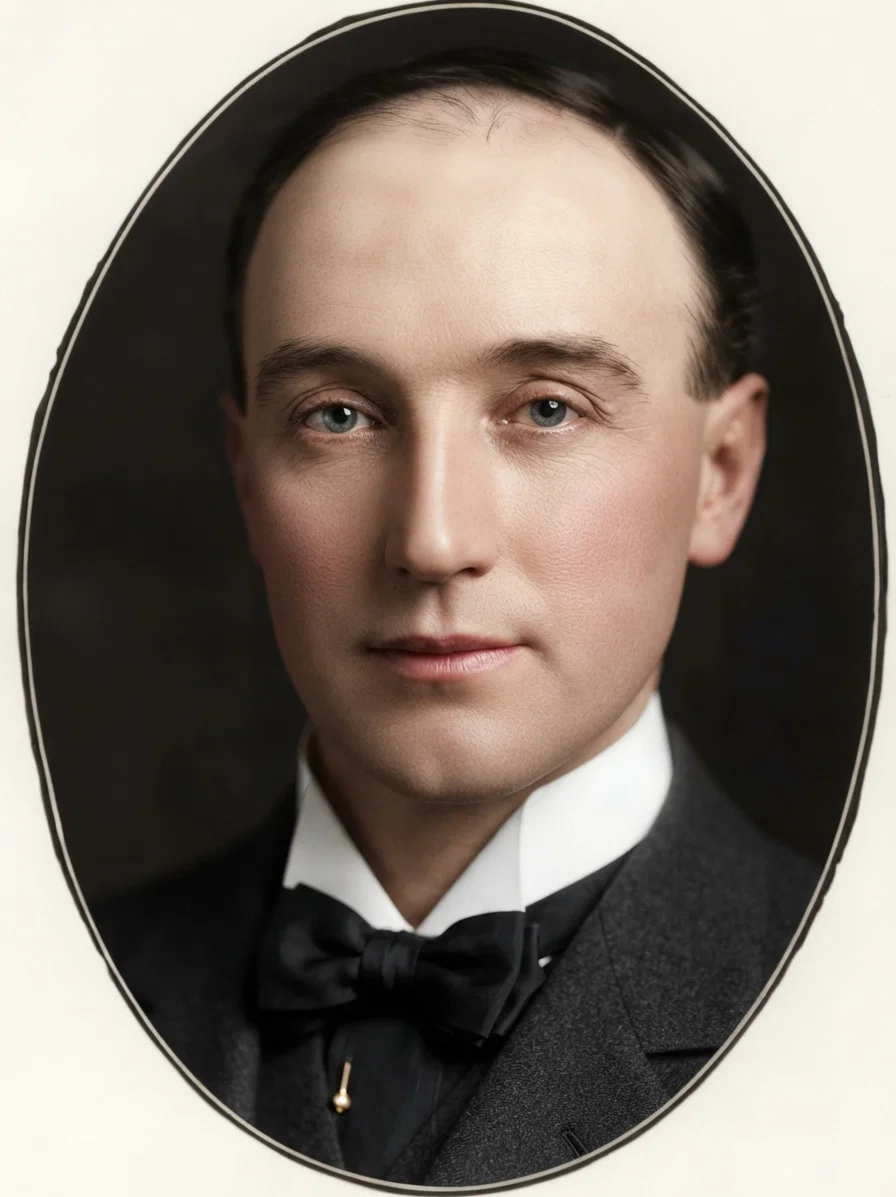
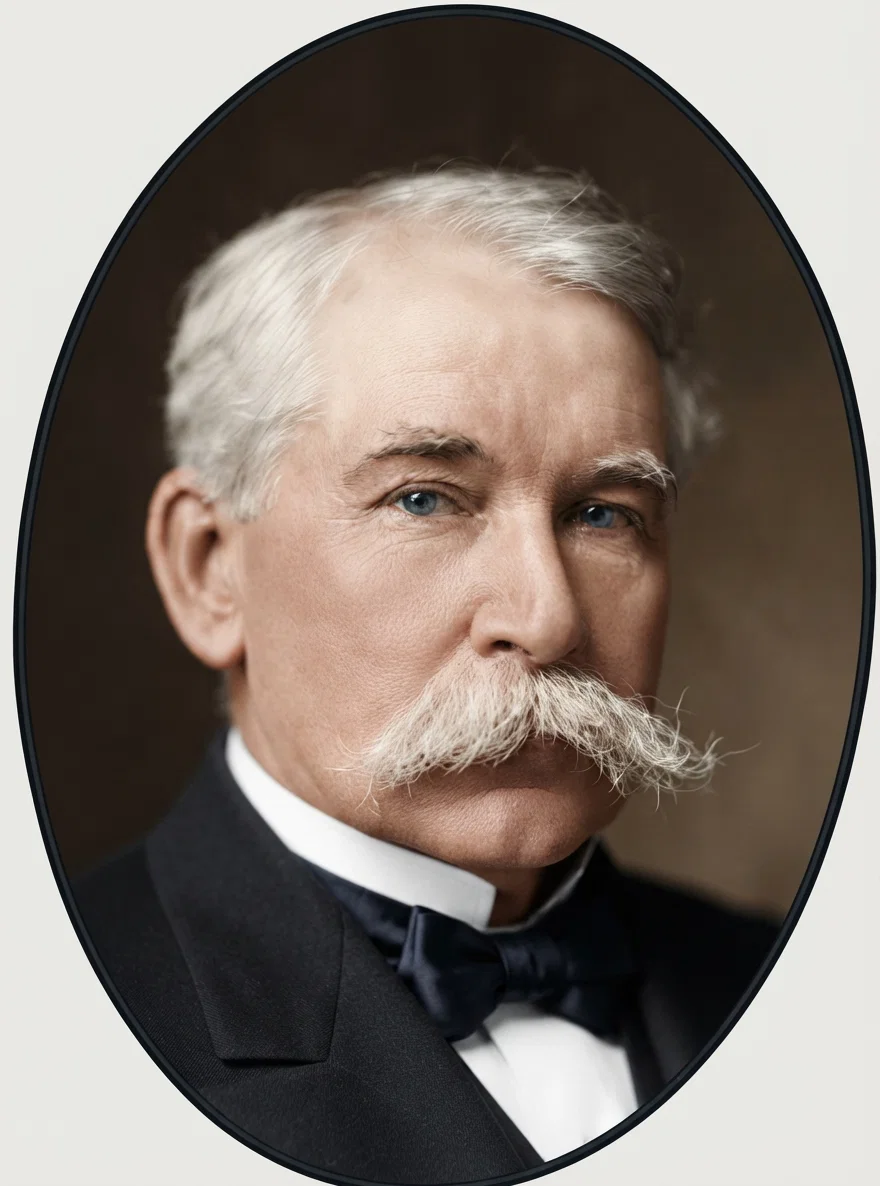
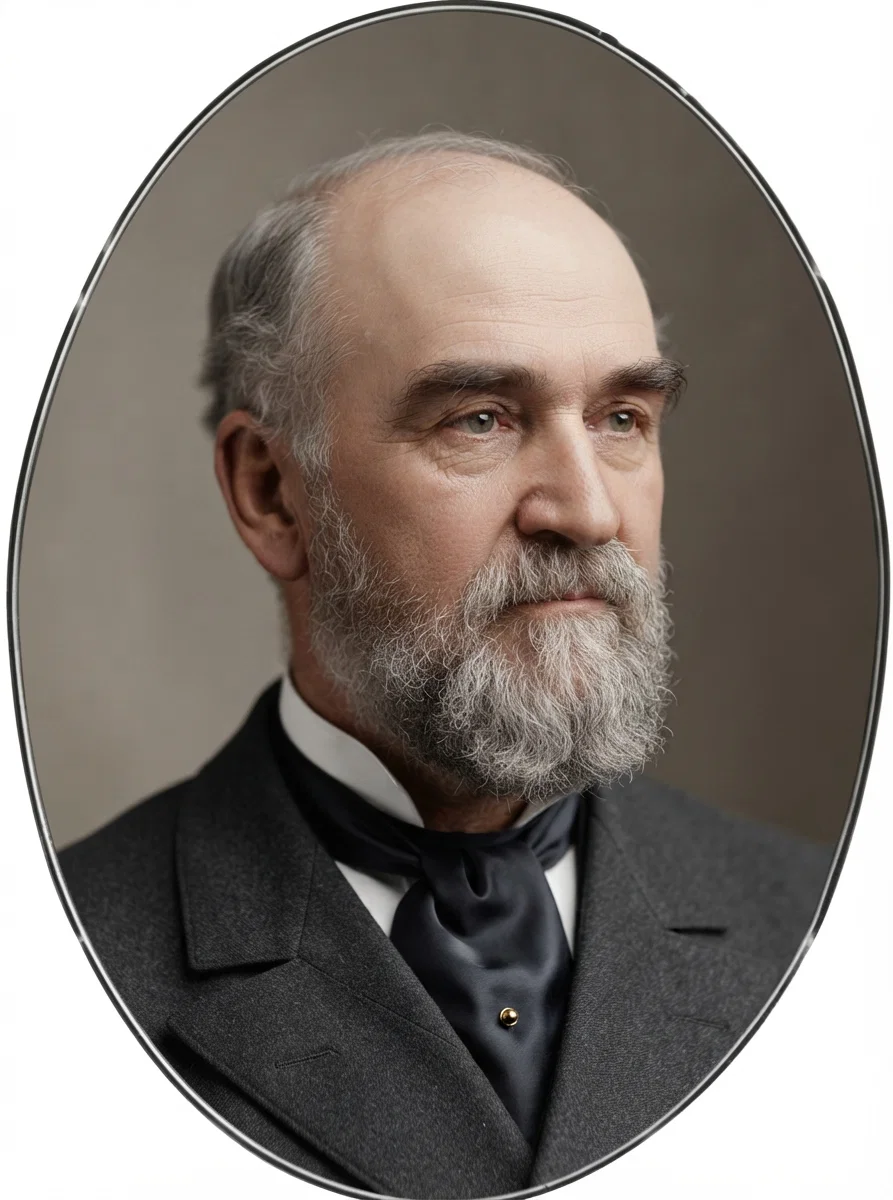
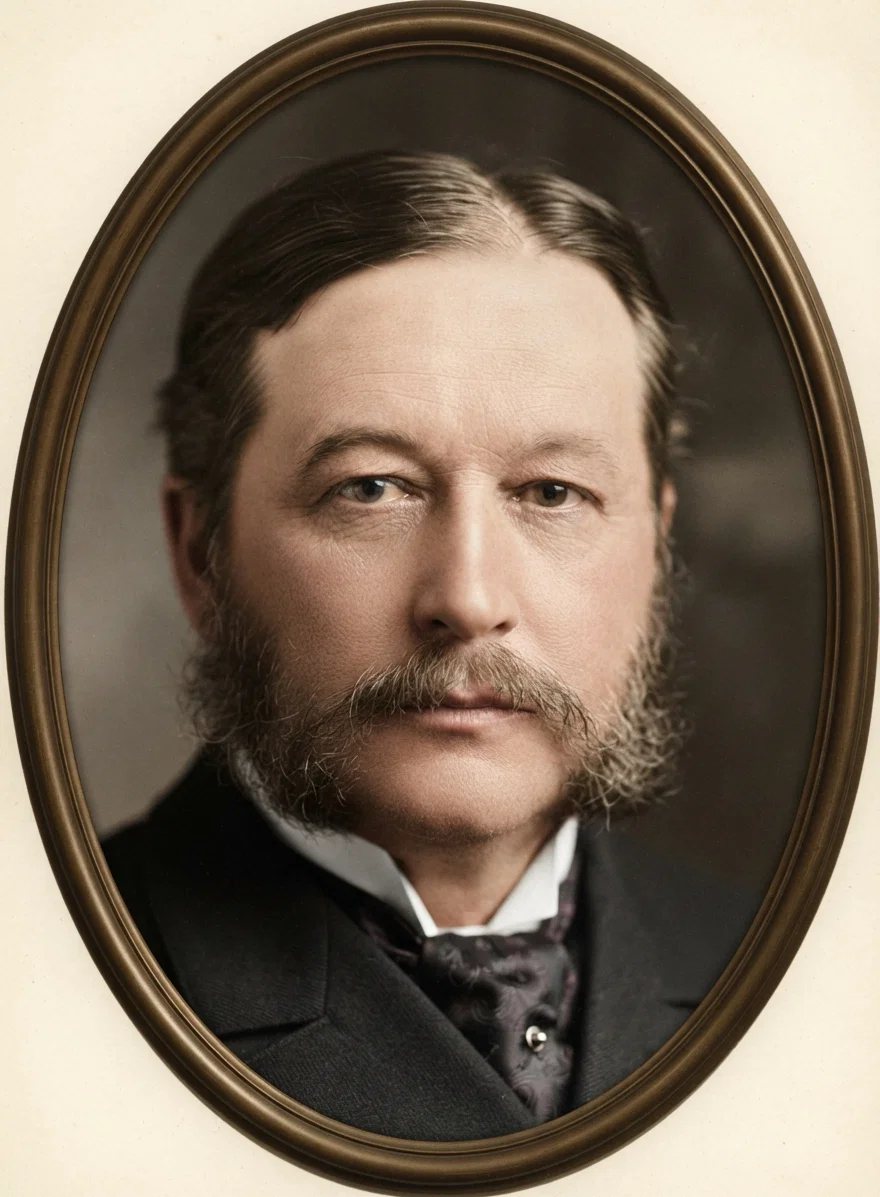
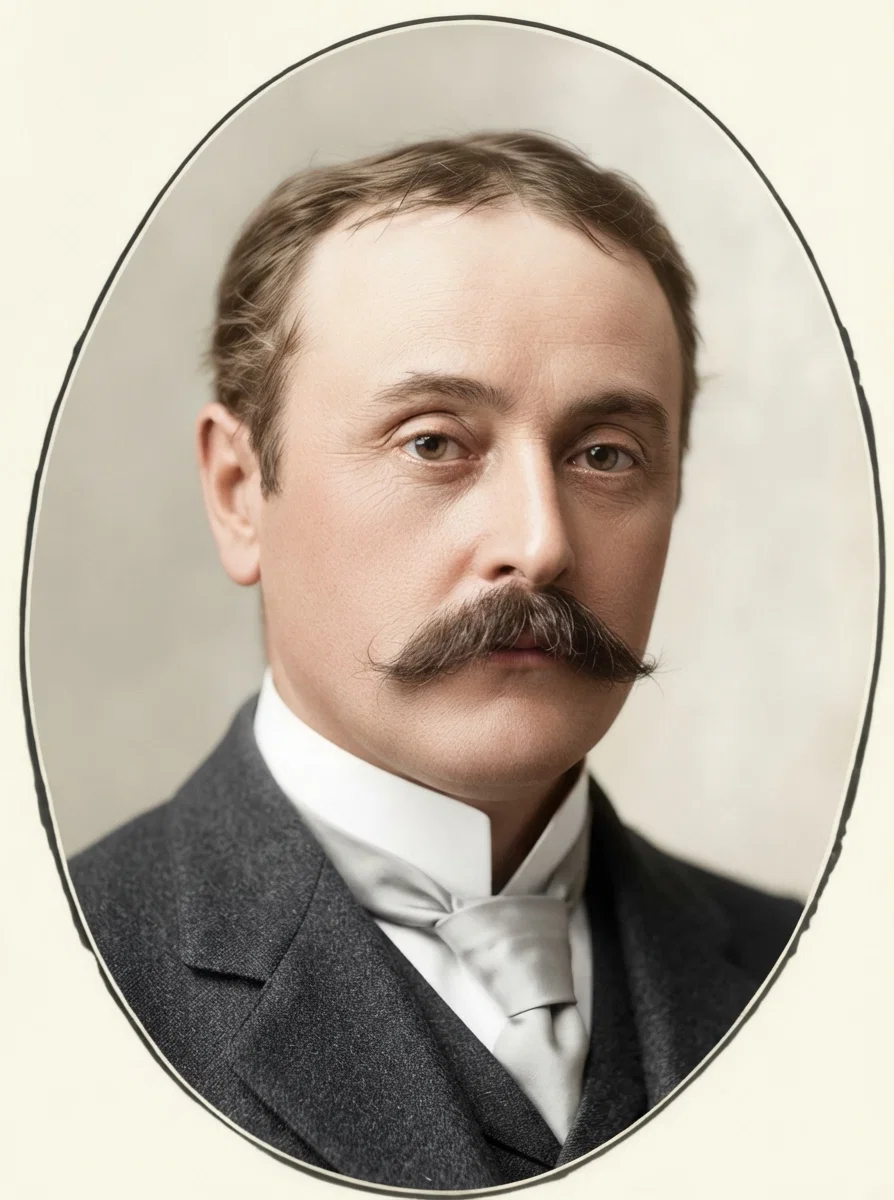
Charles Stelzle, Department Sec. Church and Labor.
On this basis we need not be surprised to see another bold attempt on the part of the church, through its great union, to hasten the establishment of religion by the state — through the adoption of a national Sunday law. That this is the avowed purpose of the Federal Council any one may understand by reading the resolution on the "Lord's Day." It calls for "such legislation as may be secured to protect and preserve this bulwark (Sunday) of our AMERICAN Christianity." It continues: "That we rejoice in the prospect of unity of action among the various organizations striving in America for the preservation of the LORD'S DAY AS A DAY OF REST AND WORSHIP." The "unity of action among the various organizations" refers to the Young People's Society of Christian Endeavor; the several Woman's Christian Temperance Unions; the American Federation of Labor, with its membership numbering 2,000,000, and the newly formed Federal Council of the Churches of Christ in America, with its 50,000,000 adherents. The
mighty influence of any one of these organizations, with religio-political representatives at state and national halls, is not a matter of little consequence or to be lightly regarded; but what can be said of the possibilities of the Lord's Day Alliance of the United States, which designs to be "NATION-WIDE IN ITS SCOPE AND . . . CONCENTRATE THE ENERGY OF ALL FORCES WORKING FOR THE PRESERVATION OF THE LORD'S DAY"? Where is the politician of the 20th century who would dare to disregard the requests of this greatest of all great Religious Unions, when it demands a national Sunday law?
E. B. Sanford, Cor. Sec. Federal Council.
Bishop E. Hendrix, the New President.
F. M. North, Sec. City Evang. Union of M. E. Ch.
Henry Wade Rogers, Chairman "International Relations."
The Secular Press.
It is also a significant fact that the Federal Council desires to keep on friendly terms with the secular press, for in them it will find its most efficient means in molding public sentiment in its favor. And when this is accomplished, what can be said of the strong, even cruel, prejudice that shall everywhere be shown toward those who may sincerely and conscientiously oppose such legislation? Stinging calumny and ridicule will be hurled alike from the press, the pulpit, and the platform against those who refuse to honor the Sunday which has unlawfully and inconsistently been called the "Lord's day."
To the careful Bible student the inconsistencies of the Federal Council of the Churches of Christ in America in many of its deliberations were strikingly apparent. While the Scriptures clearly reveal that this world's history will end in universal war, the council forgetting or overlooking this fact stated: "We may take it for granted that the nations will decrease their efforts to increase armaments," and that "war must end and increase of armaments must cease." In connection with these statements, the speaker, Henry Wade Rogers, LL.D., Dean of the Yale Law School, clearly showed that the great nations of to-day had all increased their navy budgets from fifty to two hundred per cent, the latter figures being credited to the United States.