An Opiate to Morality

3%

An Opiate to Morality

M. ELLSWORTH OLSEN
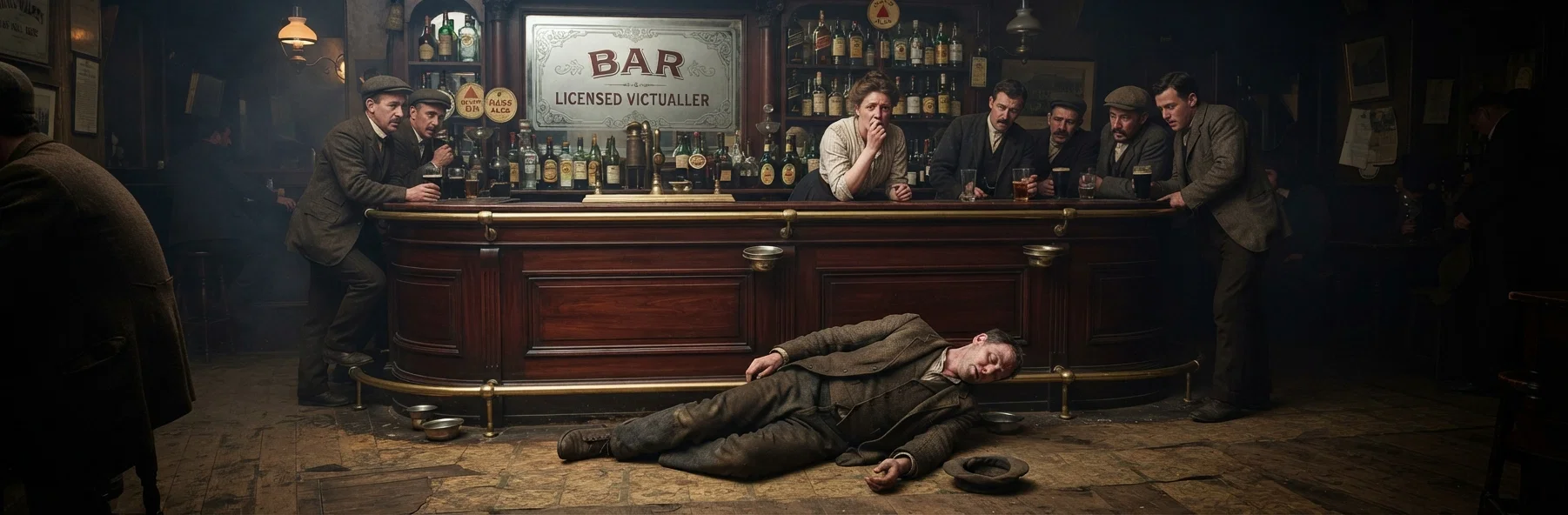
AT least one half (some estimate it at three fourths) of the crime of this country, and a very large portion of its poverty and disease, undoubtedly are the outcome of indulgence in alcoholic drinks. In fact, crime and alcohol have been vitally connected for so very long a period that they seem almost inseparable. Who ever knew a band of desperadoes who didn't screw up their courage with liberal potations of alcohol? Where is the red-light district to-day that can exist without liquor? How are the young of both sexes lured into sin? Is it not by means of this potent ally of all evil? But these general statements have been made so many times that they don't mean very much to the average reader. Let us consider a few tangible examples.
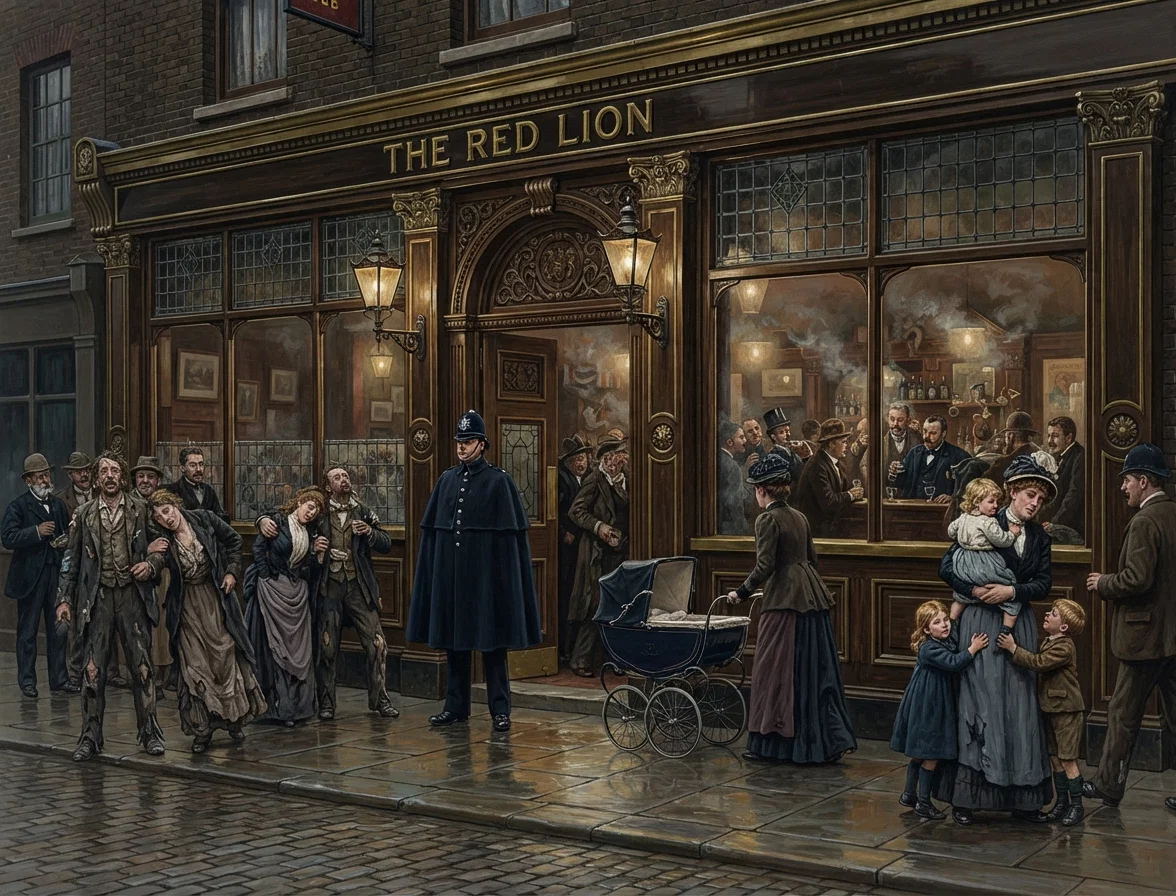
A public house (saloon) in London, England, was watched one Saturday night for an hour and a half. This is what the watchers saw, as reported in a London daily:
During that short period of time, 795 persons entered the doors. Of these, 209 were men, 380 women, 83 youths and girls, and 123 very young children and babies in arms. [England now has a law prohibiting children from entering a public house.] Seven perambulators were taken in, some of which had in them two children. Outside there was scarcely an uneventful moment. Three women were turned out, and five men. There were six disturbances and one very bad fight. Three girls about seventeen came out quite drunk. Twenty-four men, including a footman in livery, and nineteen women left the house helplessly drunk. Two of the women had babies in their arms. At 10:50 the house had to be closed, with the exception of one small door, on account of a frightful row. A policeman had to stay outside after that until closing time.
Such were the activities of one saloon in the short period of an hour and a half. Would these things happen in connection with a grocery store, or at an ordinary restaurant, or even at a public market thronged by far greater crowds of people than any one saloon? The answer is an emphatic No. It is only in connection with saloons that this utter demoralization occurs, and the reason is plain. The alcoholic drinks dispensed at such places dethrone the reason and self-control in men, and at the same time excite the baser passions.
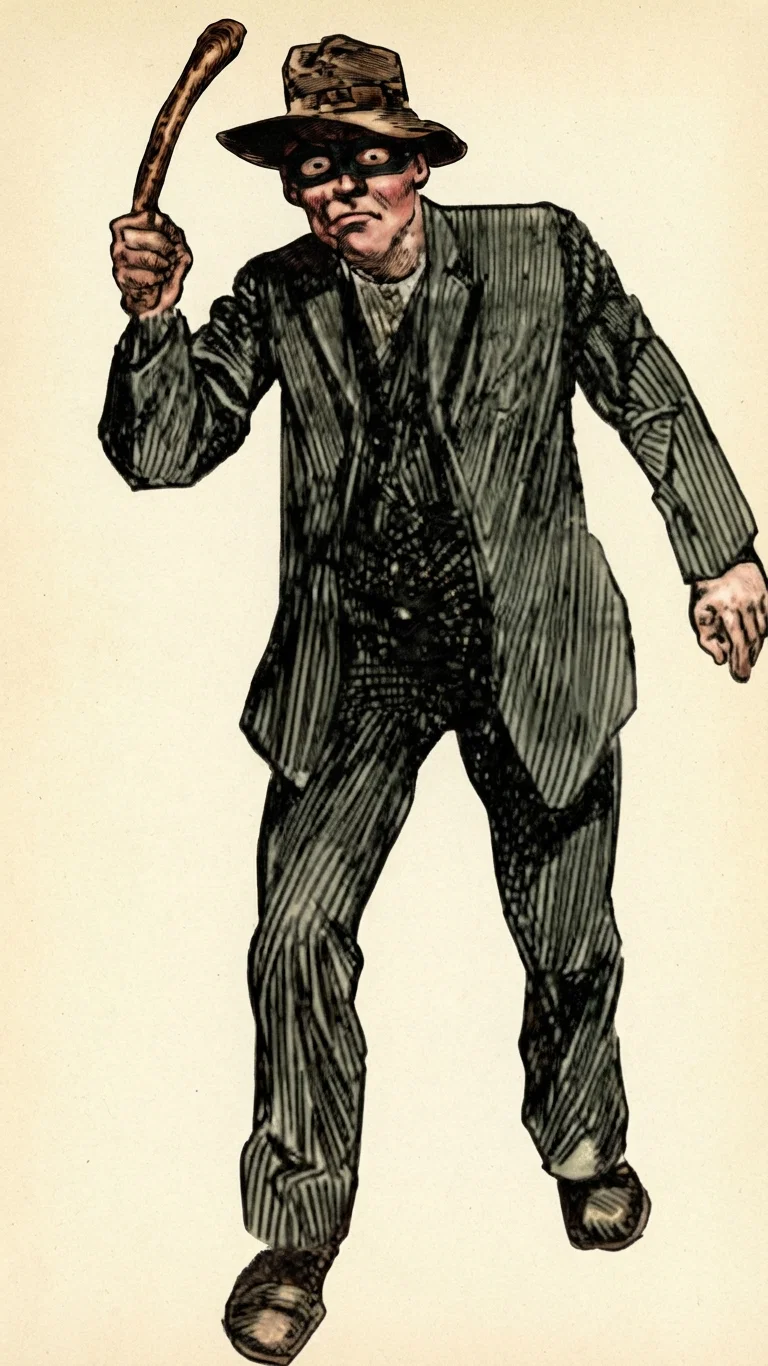
But this public house scene is a mild picture compared with some of the things drink has wrought. The man under the influence of alcohol is really not himself at all. He is under the control of a fiend. For all practical purposes, he is insane.
John B. Gough tells of a man who underwent one of those "awful surprises" that come to the victims of the drink fiend. He was considered a very respectable sort of man except for an occasional fit of intoxication. He went into a saloon and took a drink, then another, and another. At last he staggered home, and in the madness of drink, inflicted on his wife, whom in his right mind he dearly loved, blows that killed her. He was arrested, and spent the night in jail. In the morning, on being awakened from his drunken stupor, he was astounded.
"This is a jail, isn't it?" he asked of the keeper.
"Yes," was the reply, "you are in jail."
"What have you got me in jail for?"
"Don't you know?"
"Don't I know? I know I was never in jail before in my life; and this is an awful disgrace. But what have you got me in jail for?"
"You are in jail for murder."
"What! You don't mean it!"
"Yes, I do."
"You are joking!"
"No, I am not."
"For murder? Have I killed somebody?"
"You have."
"Oh, my God! What will become of me? Tell me, does my wife know of it?"
"Your wife! Why, don't you know? It is your wife you have killed."
At these words, the poor victim of the licensed saloon fell as one dead.
Just such things are happening to-day; but where one woman is killed in this comparatively merciful manner, hundreds — yes, thousands — die a slower, more painful death, die by inches, we may say, of neglect and want arising solely from the fact that the husband drinks.
Look at another picture: The night is bitterly cold, and the wind cuts like a knife. A little girl, covered with only one thin garment, is on her way to the public house, with a blacking bottle in one hand and a piece of silver in the other. She is fetching gin to satisfy the insane thirst of her drink-ridden father, while back in the hovel she has come from lies her half-starved mother on the floor, with a newborn babe crying at her side. Yet the drink-cursed man who could be guilty of this infamy was a tender father and loving husband when sober. Alcohol made him, for the time, a fiend.
At these words, the poor victim of the licensed saloon fell as one dead.
Perhaps the saddest thing about the awful immorality wrought by drink is the helplessness of the victim of the habit. He is utterly unnerved morally and physically. He has no will power. Humanly speaking, there is no hope for the confirmed drunkard. "Gentlemen," said one such man to a group of friends, "you ask me to give up the drink. Ask me to sever my right hand from my wrist, and I can do it; but to give up the drink — never!" Six days later, the poor man stabbed himself to death in a hotel.
The gospel alone has power to lift the drunkard out of the gutter and once more put him on his feet. But God expects men to coöperate with Him; and it is the privilege and duty of men who believe the gospel and love their fellow men, not only to labor for the succor of the lost and fallen, but to do everything in their power to banish the saloon — to root the liquor traffic out of this fair land of ours.
If conditions in a "dry" town are bad, what is needed is not more whisky, but less whisky.
Many a hand has been inspired by drink to slay even a friend.