A Movement to Outlaw the Liquor Traffic
By M. Ellsworth Olsen
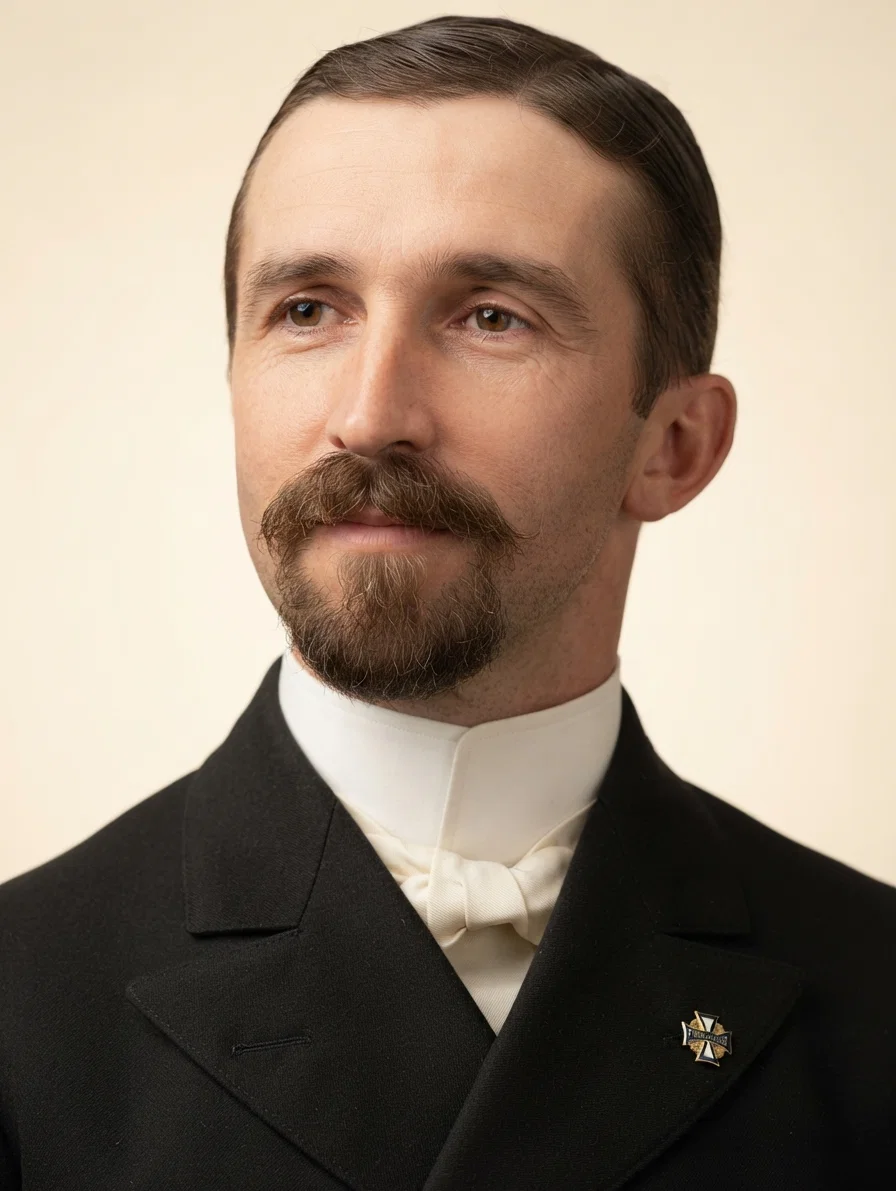
EDWIN C. DINWIDDIE
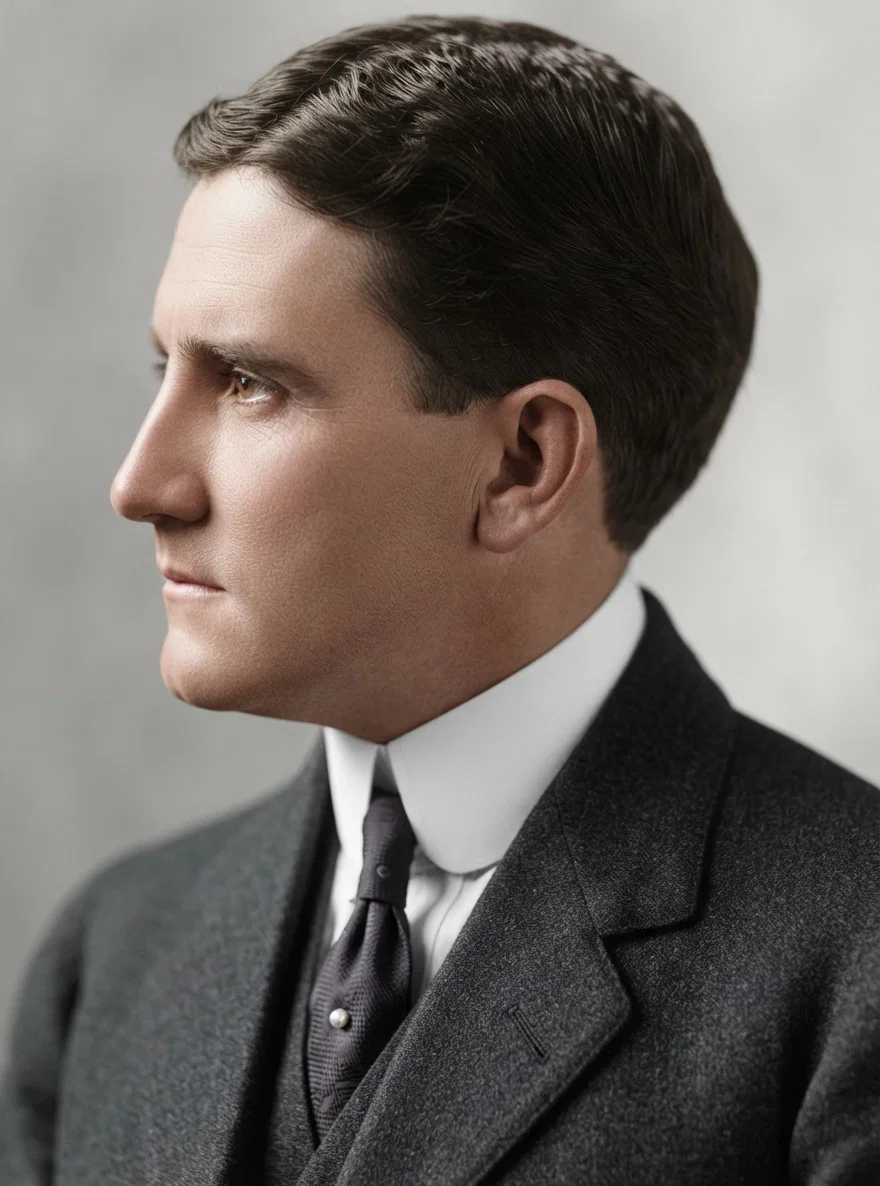
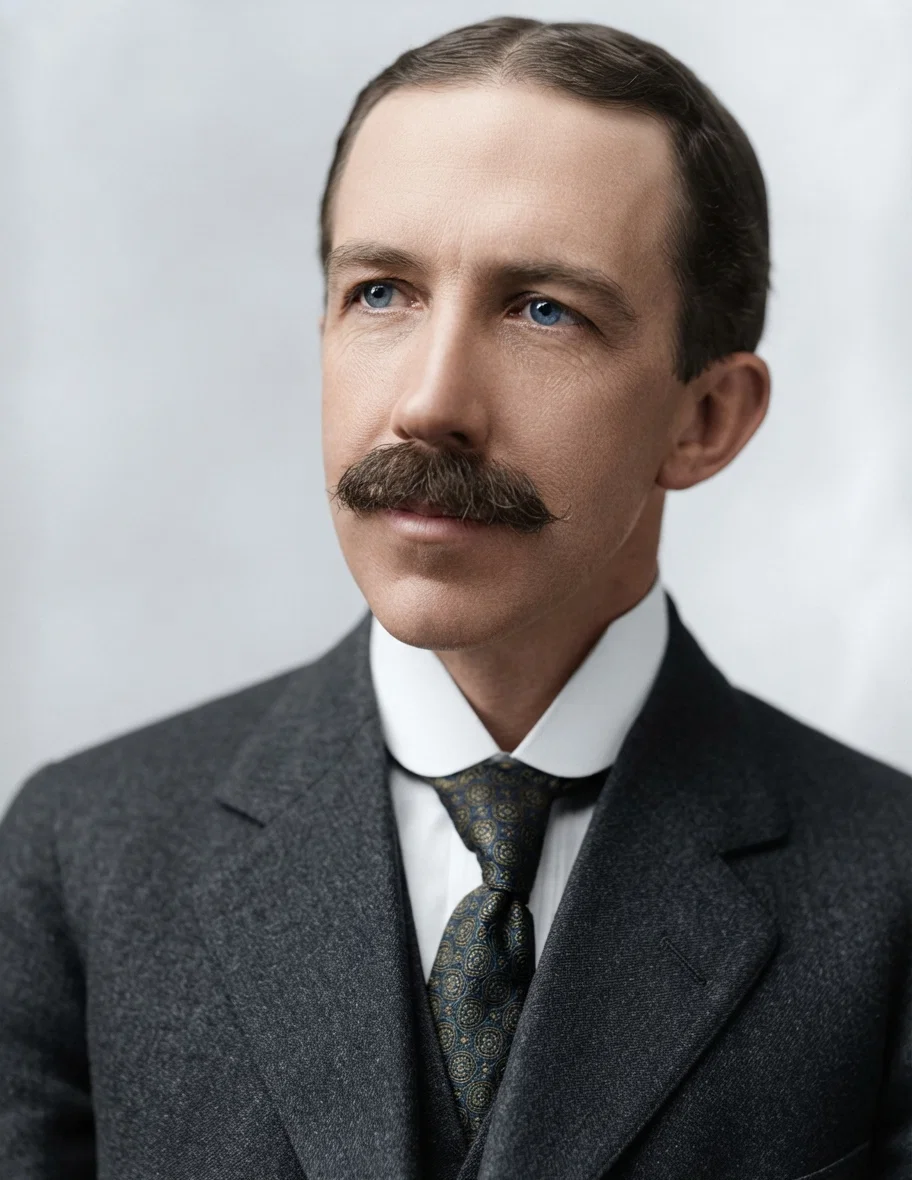
WAIN B. WHEELER
THIS article by Mr. Olsen will give some idea of the activities of the temperance forces in seeking to secure nation-wide prohibition. The provision in the proposed amendment, allowing Congress "to provide for the manufacture" of "intoxicating liquors for sacramental, medicinal, mechanical, pharmaceutical, or scientific purposes, or for use in the arts," is well enough with one exception. The Christian churches of this nation ought to ask that the word "sacramental" should be struck out. Fermented wine was not used by the Master when instituting the "Lord's Supper," and it is wrong to use anything but the unfermented sweet juice of the vine on that occasion. Many of the churches are strongly opposed to having any ferment in the communion cup. Then why the misrepresentation by making, in their favor, an exception of a thing to which they are opposed?
Editor.
THE friends of temperance reform have routed the common enemy out of township and county and state, and now they have attacked its last stronghold, the government of the United States. They ask the government not to extend its protecting hand any longer over an evil which, even under the restrictions that at present surround it owing to the growing sentiment against it in every part of the country, still is debauching thousands of the young men of this country, and threatening nation-wide ruin.
THE ADVOCATES ARE HEARD
Under these circumstances came the hearing in Washington, D. C., on the Hobson-Sheppard bill, which calls for a prohibition amendment to the Constitution of the United States, to be submitted in the usual way for the ratification by the various states. The hearing before the House Judiciary Committee was held on Wednesday, April 15, in the House office building, with a full attendance on the part of the members of the committee, and a distinguished body of temperance workers and other representative people.
THE ORGANIZED FORCES BEHIND IT
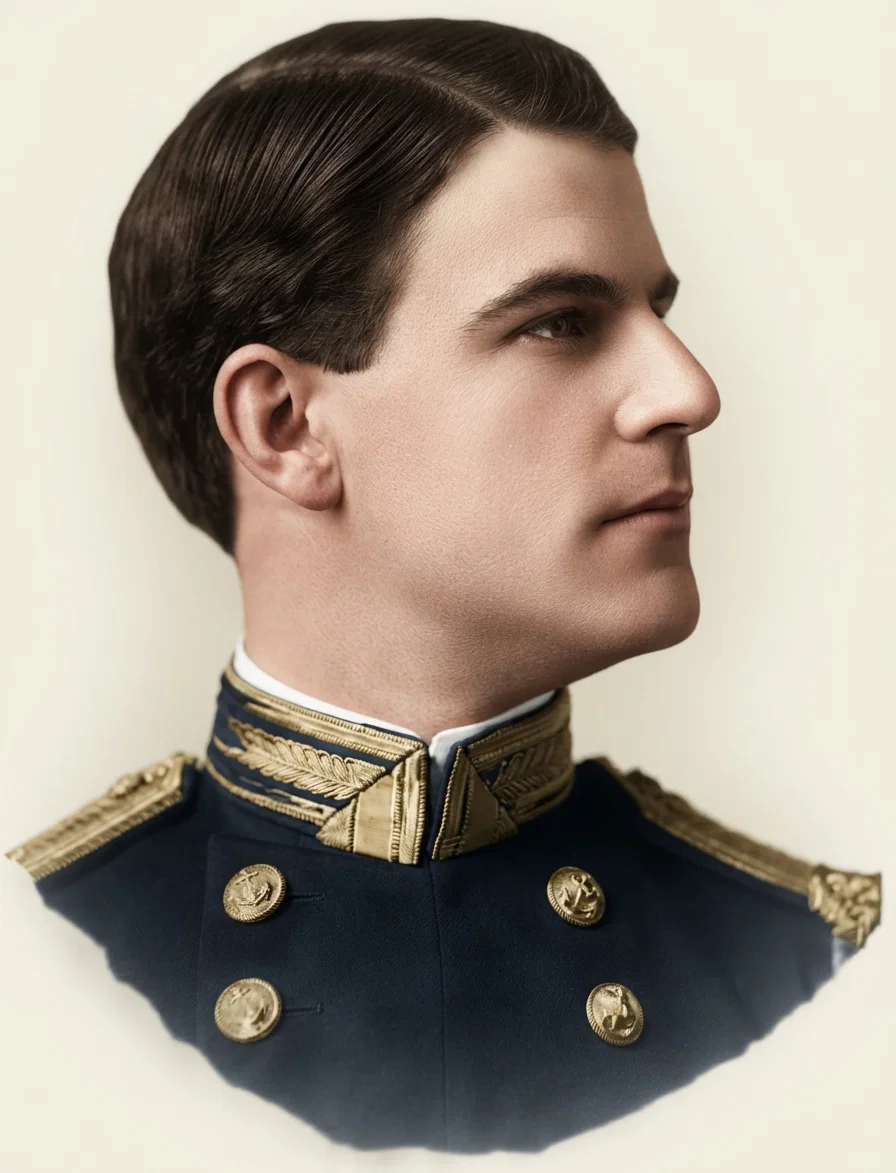
Captain Richmond P. Hobson, joint author of the bill, introduced the various speakers in its support, and himself gave the opening address. He said that the bill had been drawn up at the request of practically all the organized moral forces of the country. A convention had been held last November in Columbus, Ohio, at which were gathered representatives of ninety-seven societies, temperance organizations, denominations, churches, Sunday-schools, etc. At a careful estimate, he said, they probably represented more than a majority of the American people. They certainly represented the conscience of the nation.
A PROHIBITORY AMENDMENT PROPOSED
This body of delegates came to the unanimous conclusion that the way to apply a true treatment to the disease that exists in this290nation, growing out of the use of alcoholic beverages, is by the submission to the states of a joint resolution providing for an amendment to the Constitution of the United States, calling for national prohibition.
The first step in carrying out this resolution was to send a committee to Washington to present the matter to Congress under the right of petition. This committee was composed of about two thousand persons, representing every state and territory in the nation. They appeared in Washington on the tenth of December, and duly memorialized both branches of Congress. The petition was for the passing by Congress of the House Joint Resolution 168, reading as follows:
"Proposing an amendment to the Constitution of the United States.
"Whereas, Exact scientific research has demonstrated that alcohol is a narcotic poison, destructive and degenerating to the human organism, and that its distribution as a beverage, or contained in foods, lays a staggering economic burden upon the shoulders of the people, lowers to an appalling degree the average standard of character of our citizenship, thereby undermining the public morals and the foundation of free institutions, produces wide-spread crime, pauperism, and insanity, inflicts disease and untimely death upon hundreds of thousands of citizens, and blights with degeneracy their children unborn, threatening the future integrity and the very life of the nation; therefore be it—
"Resolved by the Senate and House of Representatives of the United States of America in Congress assembled (two thirds of each House concurring), That the following amendment of the Constitution be, and hereby is, proposed to the states, to become valid as a part of the Constitution when ratified by the legislatures of the several states, as provided by the Constitution:
"ARTICLE—
"Section 1. The sale, manufacture for sale, transportation for sale, importation for sale, and exportation for sale of intoxicating liquors for beverage purposes in the United States and all territory subject to the jurisdiction thereof, are forever prohibited.
"Sec. 2. Congress shall have power to provide for the manufacture, sale, importation, and transportation of intoxicating liquors for sacramental, medicinal, mechanical, pharmaceutical, or scientific purposes, or for use in the arts, and shall have power to enforce this article by all needful legislation."
Mr. Hobson further called attention to the fact that temperance advocates were not requesting Congress to decide whether or not alcoholic liquors were to be sold in the country, but were merely asking Congress to open the way for the country to express itself in a constitutional manner. Irrespective of the merits of the measure, it was the right of the people of the country to express themselves on a matter of such vital interest to the nation. The question was an organic one, dealing with life and death. It must be organically treated, by the government representing the organic union of the various states.
TO CONSERVE THEIR RIGHTS
It would not be a usurpation of the rights of the several states, but rather a means of conserving those rights. In the present situation, it is impossible for the prohibition states, of which there are nine, to apply the law strictly, because the liquor trade is a lawless one, and as long as it can protect itself with the federal license, it will in one way or another make inroads upon the youth of prohibition states even.
Congress should at the earliest moment wash its hands of this nefarious traffic. Why should it have a hand in debauching the young men who must become its future citizens? This question of the future of our youth is urgent. Careful investigations show that two thirds of the drinkers began drinking before they were twenty-one, one third before they were sixteen, and seven per cent before they were twelve.
DONE BY THE ORGANIZED TRAFFIC
This enticing of the young into habits of drink is not done by drinking men as such. It is the work of the organized liquor traffic. When you stop this traffic, you stop the debauching of the country's youth. You give the boys a chance to grow up sober. You give the children a chance to be well born.
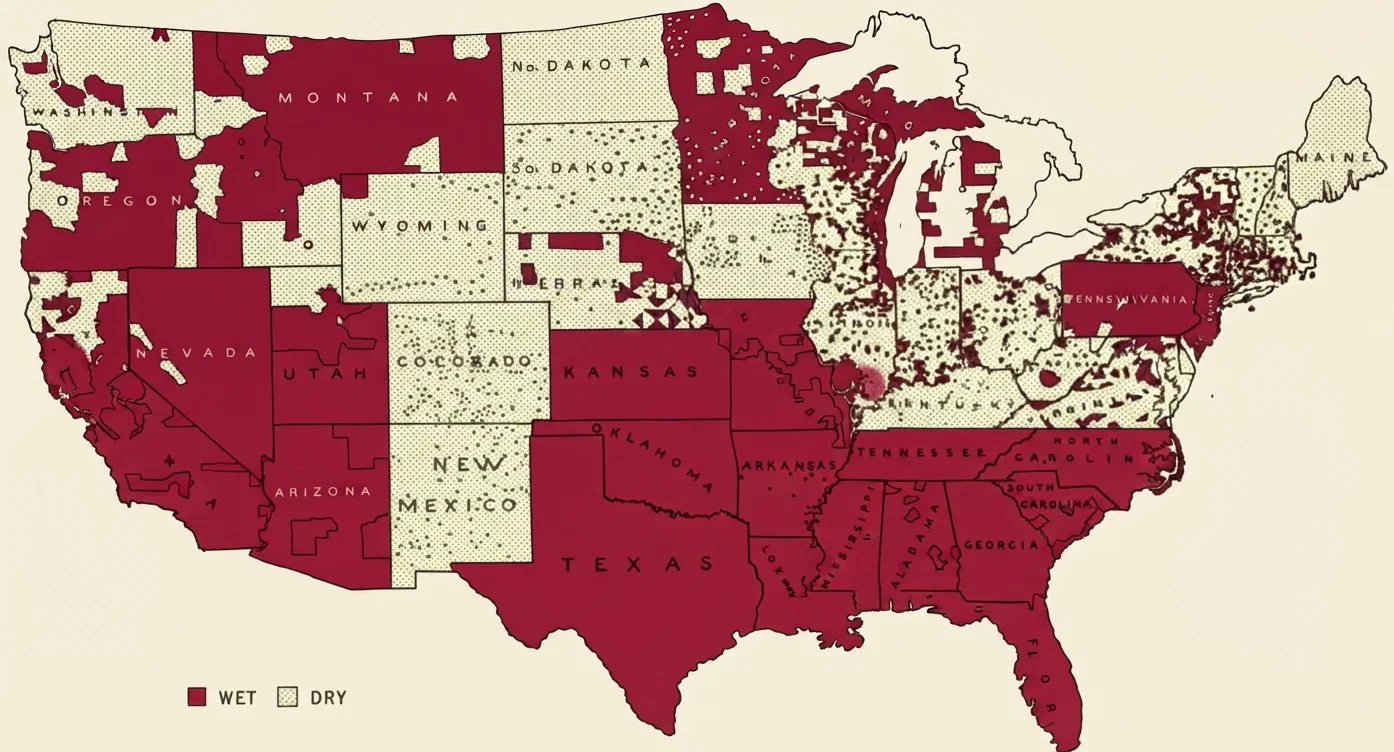
"WET" AND "DRY" MAP OF THE UNITED STATES, JANUARY 1, 1914
Captain Hobson was followed by Mr. Edwin C. Dinwiddie, the alert and indefatigable secretary of the Anti-Saloon League of America and representative of various other powerful temperance organizations. He answered a number of questions in reference to the proposed bill and the reasons for urging its passage, and emphasized the fact that the country, through its various organizations, is demanding opportunity to express itself in this vital matter.
THE LARGE CITIES AS CENTERS
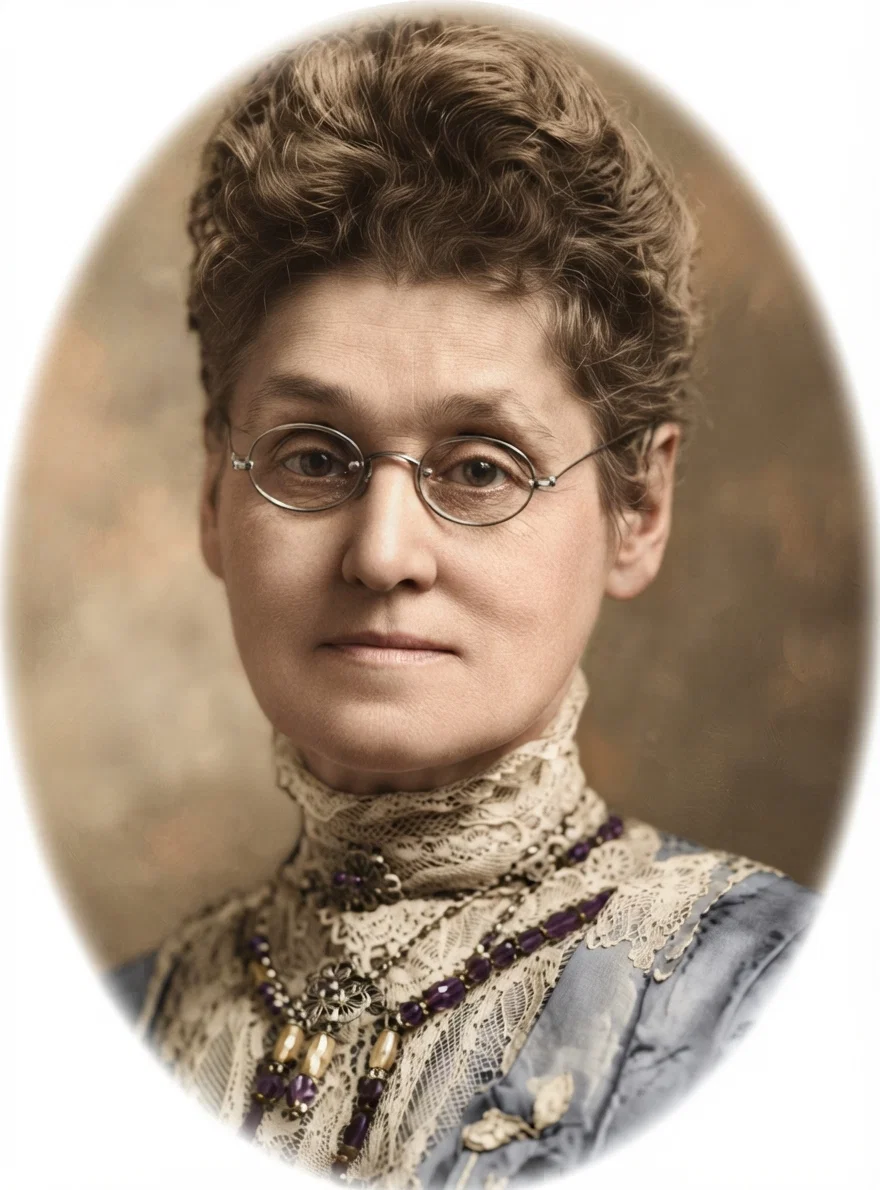
Mrs. Margaret Ellis, national superintendent of the legislative work of the W. C. T. U., displayed a map showing the large portion of the United States that is at present living under prohibition. Unfortunately, a considerable number of the largest cities are still open to the liquor traffic; and from these as centers, inroads are made into the dry territory, the liquor organization feeling perfectly free to violate the laws of the various states as long as it has the national government as a partner in its nefarious traffic. It is a traveling nuisance. It does not confine itself to bounds. Hence it must be dealt with by the government as a whole.
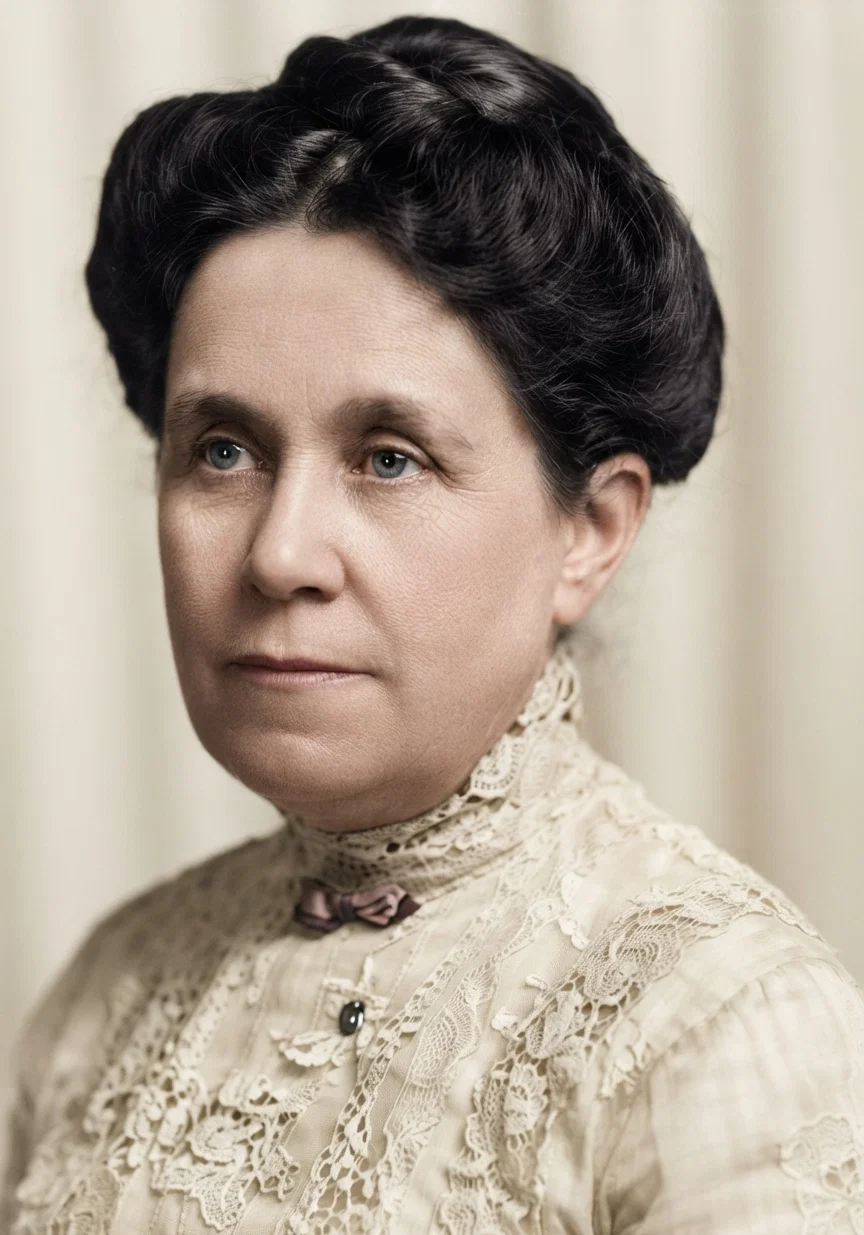
Miss Anna Gordon, acting president of the National W. C. T. U., read a message from the late president, Mrs. Stevens, in which the latter expressed her firm faith in the success of the prohibition movement, and earnestly begged Congress to pass favorably on the bill now pending.
A large number of other speakers representing the W. C. T. U. and allied organizations followed, each giving some new reasons for the passing of the bill. The members of the committee asked questions freely, and showed a deep interest in the subject. The speeches and discussion continued till some time past the hour set for adjournment.
HEARD BEFORE THE SENATE COMMITTEE
The hearing on the same bill, which was held before the Senate Judiciary Committee on the following day, included a morning and an afternoon session, thus giving somewhat longer time for the presentation of the arguments in favor of the bill. The hearing was held in the Senate wing of the capitol, and the room was crowded with speakers and interested listeners. Senator Borah showed an especially keen interest in the various speeches. He said his mind was made up on the subject of prohibition; the only thing that he was uncertain about was whether a national law could be made to be thoroughly operative.
This point was accordingly dwelt upon by several of the speakers. The fact was pointed out that the national government is remarkably successful in collecting its revenue tax. The men who sell liquor illegally in prohibition towns and localities dare to do so in defiance of local law and without local license; but they always have the United States revenue receipts. Moreover, while they can use the United States mails to advertise their wares, they will continue to offer temptation to the young men in prohibition territory by making all kinds of inducements to them to become customers.
THE GOVERNMENT A PARTNER IN THE RUIN
The opening address was made by Senator Sheppard, the joint author of the bill. He gave a searching analysis of the situation, showing the urgent need of action on the part of the general government in order to dissociate itself from the business that is making money out of the ruin of the manhood of the country.
He referred to the sufferings of widows and orphans. He showed homes broken up, and the bread snatched away from hungry little children, by the rapacity of this cruel organization. On the other hand, he showed the steady growth of prohibition sentiment in all parts of the country, which has finally led to the demand by a majority of the people, and a unanimous demand on the part of the moral forces, that Congress take action permitting the country to decide for itself, in the constitutional way, whether liquor is to continue to be sold or not. Mr. Wain B. Wheeler, national attorney for the Anti-Saloon League, and superintendent291of the League in Ohio, very clearly brought out two basic facts that underlie the activity of the temperance forces.
IT HAS NO RIGHT TO EXIST
First, the people have an inherent right to better their conditions in any unit as soon as they can constitutionally do so.
Second, the liquor traffic, which they oppose, has no inherent right to exist at all, because it is a source of crime and of misery to society. Government is to promote the general welfare; therefore government can not consistently have any part in the drink traffic. One of the best means of promoting the general welfare is by promoting the public health and the public morals; but in order to do this effectually, we must do away with the legalized trade in liquor.
RATHER DIE THAN OBEY THE LAW
The very lawlessness of the liquor trust makes it necessary for the national government to take action. The trust will not respect the laws of the various states. As another senator said later, the liquor traffic would rather die than obey law.
So long as Chicago and New York continue to license the traffic, there will be systematic and successful efforts to debauch the young men of the country. If we had prohibition in every other city and in all the country districts throughout the nation, still it would not be effective while these cities were free to go on with the business. It would be like nourishing a deadly enemy right in the heart of our beloved country.
GOVERNMENT TO PROTECT THE PROSPECTIVE CITIZEN
Among the state W. C. T. U. presidents, Mrs. Frances K. Beauchamp spoke for Kentucky. That state has local option, and after forty-four years of hard work on the part of temperance organizations, ninety per cent of the territory is dry. But in order that the law be enforced properly, the national government must take action. The speaker pleaded with the government to take its protecting arm away from the drink traffic. She did not plead, she said, for the mothers nor for the children of drunkards, nor for the poor drunkards themselves. She appealed to the lawmakers to protect the growing citizen from being tempted above that he is able to stand, and forming a habit that would undermine his moral character so as to unfit him for citizenship. There is no peril to this government that will compare with the peril from a debauched citizenship.
If space permitted, I should like to give liberal extracts from other telling speeches. But I must not bring this article to a close without mentioning some of the other prominent officers of that noble organization, the W. C. T. U. There were Mrs. Frances P. Parks, the national corresponding secretary; Mrs. Deborah Livingstone, national superintendent of the franchise; Mrs. Katherine Lent Stevenson, of Boston; Mrs. Emma S. Shilton, president of the District W. C. T. U.; Mrs. Ella A. Bool, president of the thirty-five thousand women making the membership of New York State; Mrs. Lenna L. Yost, president of West Virginia; Miss Helen Hood, of Illinois; and Mrs. Ella Hoover Thatcher, national superintendent of the work among the sailors and soldiers; and others.
Three Fanti, Gold Coast, boys in native costume in attendance at the Waterloo school, Sierra Leone, West Africa
Among the men who represented the Anti-Saloon League were Dr. James Cannon, Jr., of Virginia; Mr. T. M. Hare, of Ohio; and Mr. William H. Anderson, of New York.
Elders C. S. Longacre and S. B. Horton spoke briefly on behalf of Seventh-day Adventists, expressing the deep interest felt by that denomination in the efforts to bring about national prohibition.
THE TRAFFIC AND THE COLORED MAN
The hearing was brought to a close by a touching appeal made by the Rev. Charles S. Morris, colored, of Virginia, on behalf of the Negro race. "My people were protected," he said, "before they became free. About once a year, at Christmas time, the laws were relaxed a little, and liquor was allowed us; but for the rest of the time, we lived under prohibition. We were property then, and we were not allowed to destroy ourselves.
"Now we are not property, and we are not protected. The saloon-keeper, driven out of the better part of town, moves over to the section where my people live, and wholesale debauchery is the result. There are fifteen hundred men in the state penitentiary, and ninety-nine per cent of them are there because of drink. When we lived under prohibition, before the war, there was not a case of a black man insulting a white woman. And all during the war, not a babe was injured, not a woman was wronged. But how different is it now, with the wide open saloon! I plead with you to restore the protection. Do away with this terrible evil that is debauching my race."