MRS. G. F. JONES

9%

Review and Herald Publishing Association · Takoma Park Station, Washington, D. C. · Sep 4, 1913

FromReview and Herald, Vol. 90, No. 36.

Read the full edition

MRS. G. F. JONES

Our Mohammedan Sisters—No. 2

MRS. G. F. JONES
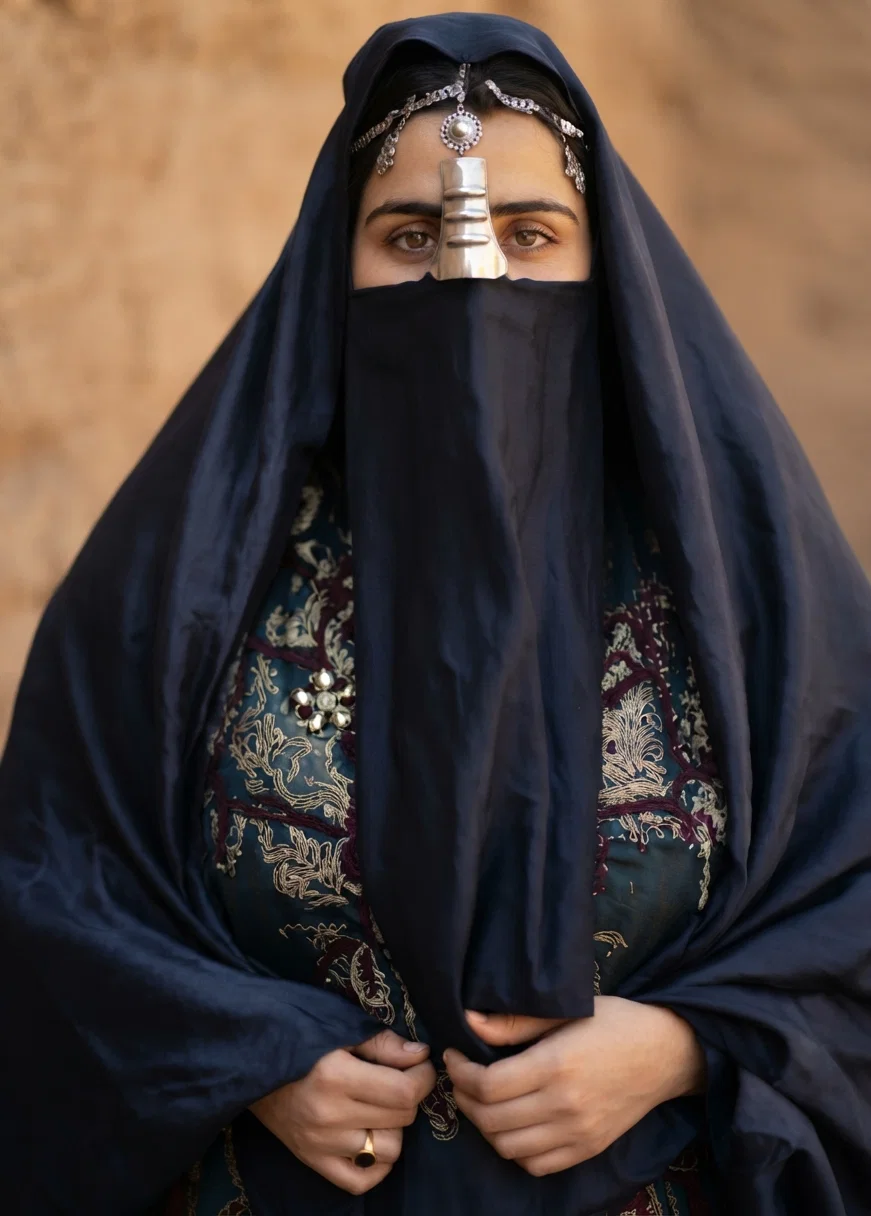
In Egypt and some other countries, when allowed to go out, Mohammedan women are so veiled that nothing except the eyes is visible, and in some countries only one eye must be seen. In towns along the coast of Syria and in some parts of Turkestan, the women have more freedom than in places entirely Mohammedan. Even the upper classes there have the privilege of visiting the graves in the Mohammedan cemetery, although they must go shrouded in their long cloaks and with their faces veiled. One writer says: "As one passes the burial-ground, sounds of weeping and wailing come to his ear, which are by no means always for the dead, but more often for their own miseries and sorrows, to which they dare not give vent in their homes (?) for fear of their husbands, who for such conduct would make their lot still harder, and they would bring upon themselves a severe beating or even a divorce, which is so fearfully common everywhere."
EGYPTIAN TYPE MOHAMMEDAN WOMAN
This evil along with, and perhaps in consequence of, the early marriage of the women, and also polygamy are the greatest curses of the Mohammedan race. When we consider that the majority of these young brides are simply untrained, undisciplined, ignorant, and often naughty children, who cannot be expected to grasp the duties of a wife, or know how to keep peace with the mother-in-law and often grandmother-in-law, to say nothing of other wives introduced from time to time, we need not be surprised if harmony does not reign in such a household, and divorces are common.
As to the experience of the younger married women, it is literally mother-in-law rule, for seldom is a man permitted to take his wife to a home of his own. Not only the sons, but even the grandsons bring their brides to the paternal home, and all are subject to the parents-in-law. A household of fifty is no uncommon thing. The first year of her married life a woman is allowed to answer the questions of her superiors only by a nod. By the fourth year she may answer by Yes or No, unless she has given birth to a child, when she is permitted more liberty of speech. In the presence of her parents-in-law she must not sit near her husband nor occupy herself with her children.
In most cases the bride and bridegroom have never met till their marriage, and the question of affection never enters into the arrangement at all. Often the only way he can enforce obedience from his ignorant, listless wife is by the dread of divorce, which he keeps constantly hanging over her. She is well aware that if she is childless, or perhaps if a daughter is born when a son had been hoped for, or on account of an illness that has become tedious, or for a bit of caprice or counter-attraction on her husband's part, any of these things may mean the tearing up of the paper that binds them together, and for a small sum he will be set free. How can one wonder under such conditions if the wife is listless, or takes no interest in her husband's work, in keeping the house clean, or in sewing. Yet if she does not please her lord, it will be even worse for her.
As is well known, a Mohammedan is allowed four wives. Indeed, it is considered a merit "in order to increase adherents of Islam." "The results of the sinful practise of polygamy, bad as they are, would be less sad to contemplate were it not that the polygamist exchanges his wives for others just asreadily as he who can afford only one wife at a time; and there is no doubt this practise has even a more demoralizing tendency than the practise of polygamy itself."
The majority of Moslem women do not give birth to more than one or two children, and very many have no living child. Infant mortality is very great, partly on account of contagious diseases which the poor little children inherit, and partly on account of the lamentable ignorance in the treatment of children's diseases. "Seclusion, lack of exercise, the monotony that leaves the mind to prey upon itself, ignorance, early marriage, unhappiness, abuse, and contagious diseases bring upon them a great amount of physical suffering traceable to the system of their religion."
And then the yearly month of fasting, which is imposed upon the girls as early as the age of seven, when during the whole day they are not permitted to taste food, while in the evening they gorge themselves, cannot but be detrimental to the health of a young growing child. With all these things against them, is it any wonder that they fail to produce a healthy offspring?