Your ShelfYour Projects

Signs of the Times, Vol. 22, No. 20.

Righteousness Incarnate.—

Signs of the Times

May 14, 1896

Pacific Press Publishing Company · Oakland, California · May 14, 1896

Righteousness Incarnate.—
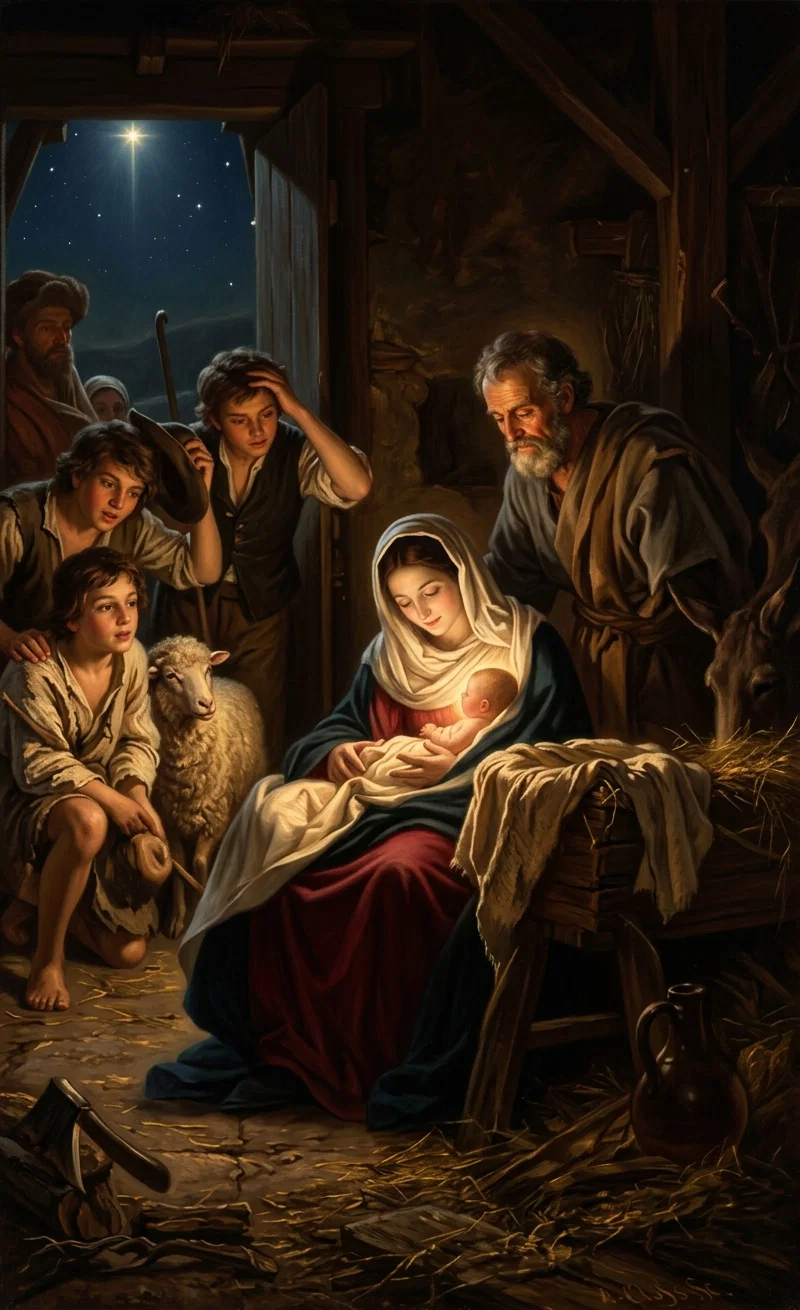
Incarnation.—The word “incarnation” comes from the Latin in and caro, carnis (flesh) signifying in the flesh, “to clothe with flesh,” “to embody in flesh,” to make that flesh, or a part of flesh, which before was not.
“In the Beginning” man’s flesh was holy and without blame before God. The transmuting power of the Creator had made dust into organized flesh; and as man stood before his Creator in all the beauty of his sinless perfection, the wisdom of God pronounced him “very good.” Gen. 1:31. Into that flesh God had breathed his life, which man held by faith. If, believing in God, he obeyed, he should live to all eternity; if, disbelieving God, he disobeyed, he should “surely die.” Gen. 2:17.
Sin Incarnate.—Into the fair abode of man the tempter came—he who once was perfect in his ways till iniquity was found in him. (Eze. 28:15.) He declared, in opposition to the word of God, that if man disobeyed God he should “not surely die,” but should be as God. (Gen. 3:4, see R. V.) The choice rested with man; and man yielded to Satan. He admitted Satan into the citadel of his life and character. Instead of developing the character in holy flesh that God designed, he believed the enemy, perverted the law of his flesh, his being, and yielded his God-given mind to the perverted law. In other words, he sinned. The law of righteousness perverted became the law of sin. The flesh given him of God became “sinful flesh,” or, more literally, a “flesh of sin.” (Rom. 8:3.) The mind, capable of almost infinite development in the way of righteousness, became the mind of the flesh, or the fleshly mind, self-centered. (Rom. 8:6, 7; Col. 2:18.) It was the flesh subject to sin, and the mind enslaved by the flesh; and man became “carnal, sold under sin” (Rom. 7:14), and of himself “foolish, disobedient, deceived, serving divers lusts and pleasures, living in malice and envy, hateful, and hating one another” (Titus 3:3). Our first parents by yielding became the incarnation of sin.
God’s Mercy.—“But after that the kindness and love of God our Saviour toward man appeared.” (Titus 3:4.) The great heart of Infinite Love pitied the sinner, and the sacrifice of the Son of God was made, that man might be saved. The Father “so loved the world, that he gave his only-begotten Son, that whosoever believeth in him might not perish, but have everlasting life.” The Son so loved the world that he “gave himself for us, that he might redeem us from all iniquity, and purify unto himself a peculiar people, zealous of good works.” This was the love in both Father and Son. But man of himself, in sinful flesh, can not do good works. He may see himself condemned in the law, but he is powerless to do the law. “For we know that the law is spiritual; but I am carnal, sold under sin. For that which I do, I allow not; for what I would, that do I not; but what I hate, that do I. . . . For I know that in me (that is, in my flesh), dwelleth no good thing; for to will is present with me; but how to perform that which is good I find not.” (Rom. 7:14–18.) The law is weak, not in itself, but through sinful flesh. (Rom. 8:3.) Man in the flesh is ruled by the mind of the flesh. And yet there is victory, but how?

Righteousness Incarnate.—

The victory must be won where it was lost,—in man. A power must come into the flesh sufficiently strong to make the flesh subject to it, instead of being subject to the flesh. The enmity to God’s law, the carnal mind, must be cast out, and the mind of the Spirit must rule. How this has been done and how it may be done in us is set forth in the following scriptures:—
“Have this mind in you, which was also in Christ Jesus; who, being originally in the form of God, counted it not a thing to be grasped to be on an equality with God, but emptied himself, taking the form of a bond-servant, becoming in the likeness of men; and being found in fashion as a man, he humbled himself, becoming obedient even unto death, yea, the death of the cross.” Phil. 2:5–8, R. V., margin.
“There is therefore now no condemnation to them that are in Christ Jesus. For the law of the Spirit of life in Christ Jesus made me free from the law of sin and of death. For what the law could not do, in that it was weak through the flesh, God, sending his own Son in the likeness of flesh of sin and for sin, condemned sin in the flesh; that the requirement of the law might be fulfilled in us, who walk not after the flesh, but after the Spirit.” Rom. 8:1–4, R. V., margin.
The good fight has been fought, the warfarehas been accomplished, the glorious victory to all eternity has been won in the flesh of Jesus of Nazareth. “The Word was made flesh, and dwelt among us, . . . full of grace and truth.” (John 1:14.) “When the fulness of the time came, God sent forth his Son, born of a woman, born under the law, that he might redeem them which were under the law, that we might receive the adoption of sons.” (Gal. 4:4, 5, R. V.) “As many as receive him [the word], to them gave he the right to become children of God, even to them that believe on his name.” (John 1:12, R. V.) When here, Christ “did no sin;” he kept his Father’s commandments. He was therefore righteous, God’s “righteous Servant,” who justifies many (Isa. 53:11), “the LORD OUR RIGHTEOUSNESS” (Jer. 23:6). He was the revelation of God to men. As he “emptied himself,” “it pleased the Father that in him should all fulness dwell.” (Col. 1:19.) He was righteousness incarnate.
Destroyed the Enmity.—He came to do what Adam had undone. Adam by his sin brought enmity into the flesh against God (Rom. 7:14; 8:7); but the Son of God came into the flesh, and by his perfectly righteous life “abolished in his flesh the enmity” (Eph. 2:15). He was tempted in all points as we are, yet without sin. He was made in all things like unto his brethren, that he might be merciful and compassionate; and he won the victory, that he might be eternally strong to help all who would trust him. All this is forcibly set forth in Heb. 2:9–18; 4:14–16; 5:7–9; 7:16, 25.
In Our Flesh.—The Son of God came in the flesh of sin of Jesus of Nazareth, that he might come in our flesh of sin. He “abolished the enmity in his flesh,” so that when Satan came, he found nothing in him to respond to his temptations, in order that he might abolish the enmity in our flesh, so that Satan would find nothing in us in harmony with his temptations. And so the beloved apostle declares: “Hereby know ye the Spirit of God: Every spirit that confesseth that Jesus Christ is come in the flesh is of God; and every spirit that confesseth not that Jesus Christ is come in the flesh is not of God; and this is that spirit of antichrist, whereof ye have heard that it should come; and even now already is it in the world.” (1 John 4:2, 3.) The word “confess” includes the idea of covenanting, saying together with Christ, that he is in our flesh, we showing it by our words, he by his life lived in us according to his word. That the confession pertains to Jesus Christ coming into our flesh is evident from the next verse, which declares: “Ye are of God, little children, and have overcome them; because greater is he that is in you, than he that is in the world.” The spirit of antichrist is sin ruling within the flesh. The Spirit of Christ is righteousness ruling in the flesh. “Let no man deceive you; he that doeth righteousness is righteous, even as He [Christ] is righteous.” (1 John 3:7.) “He that saith he abideth in Him ought himself also so to walk, even as He walked.” (1 John 2:6.)
Let Him In.—Reader, do you know Jesus Christ? Is he in your flesh? or is sin incarnated in you? Jesus Christ “was made of the seed of David according to the flesh,” but he was “declared to be the Son of God with power, according to the Spirit of holiness, by the resurrection from the dead.” (Rom. 1:3, 4.) Are you, tho born of sinful flesh, showing that you are a son of God by walking in “newness of life,” by the power of his indwelling life? If not, why not? Open the door of your heart. Ask Christ in, that self may be banished, the enmity abolished. Accept, receive his word, that it may be Spirit and life in you; thus may you feed upon Christ. (See John 6:53–58, 63.) Let Christ in in all his humility, crucifixion, righteousness, glory. He says: “Behold, I stand at the door, and knock; if any man hear my voice, and open the door, I will come in to him, and will sup with him, and he with me.” Let him into your flesh; so shall you triumphantly say with Paul: “I am crucified with Christ; nevertheless I live; yet not I, but Christ liveth me; and the life which I now live in the flesh I live by the faith of the Son of God, who loved me, and gave himself for me.”

SONS OF GOD.

The eighth chapter of Romans is full of the glorious things that God has promised to them that love him. Freedom, the Spirit of life in Christ, sons of God, heirs of God and with Christ, glory and victory, are the words that outline the chapter. Our last lesson closed with the ninth verse, but we will include it in the present lesson in order to get the connection better.
“But ye are not in the flesh, but in the Spirit, if so be that the Spirit of God dwell in you. Now if any man have not the Spirit of Christ, he is none of his. And if Christ be in you, the body is dead because of sin; but the Spirit is life because of righteousness. But if the Spirit of Him that raised up Jesus from the dead dwell in you, He that raised up Christ from the dead shall also quicken your mortal bodies by His Spirit that dwelleth in you. Therefore, brethren, we are debtors, not to the flesh, to live after the flesh. For if ye live after the flesh, ye shall die; but if ye through the Spirit do mortify the deeds of the body, ye shall live. For as many as are led by the Spirit of God, they are the sons of God. For ye have not received the spirit of bondage again to fear; but ye have received the Spirit of adoption, whereby we cry, Abba, Father. The Spirit itself beareth witness with our Spirit, that we are the children of God; and if children, then heirs, heirs of God, and joint-heirs with Christ; if so be that we suffer with him, that we may be also glorified together.” Rom. 8:9-17.

Questioning the Text.

What have we learned to be impossible for them that are in the flesh?
“They that are in the flesh can not please God.”
Then how can we serve the Lord?
“But ye are not in the flesh, but in the Spirit.”
How is it that we are “in the Spirit”?
“If so be that the Spirit of God dwell in you.”
What if one has not this Spirit?
“If any man have not the Spirit of Christ, he is none of his.”
But if Christ by his Spirit be in us, then what?
“The body is dead.”
Why is the body dead?
“Because of sin.”
And the Spirit?
“The Spirit is life because of righteousness.”
Of what may we be sure if the Spirit of God dwells in us?
“He that raised up Christ from the dead shall also quicken your mortal bodies by his Spirit that dwelleth in you.”
In the first chapter we learned that we are debtors; but to what do we owe nothing?
“We are debtors, not to the flesh, to live after the flesh.”
For what only can the flesh give us?
“If ye live after the flesh, ye shall die.”
How shall we live?
“If ye . . . do mortify the deeds of the body, ye shall live.”
How are we to mortify the deeds of the body?
“Through the Spirit.”
Who are the sons of God?
“As many as are led by the Spirit of God.”
What spirit have we not received from the Lord?
“Ye have not received the spirit of bondage again to fear.”
What Spirit have we received?
“Ye have received the Spirit of adoption.”
What does this Spirit enable us to do?
“Whereby we cry, Abba, Father.”
To what does the Spirit witness?
“That we are the children of God.”
What necessarily follows?
“If children, then heirs.”
Whose heirs?
“Heirs of God.”
With whom do we have common heirship?
“Joint-heirs with Christ.”
Since we are joint-heirs with Jesus Christ, what shall we enjoy with him?
“We may be also glorified together.”
Under what conditions?
“If so be that we suffer with him.”
Opposing Forces.—The flesh and the Spirit are in opposition. These are always contrary the one to the other. The Spirit never yields to the flesh, and the flesh never gets converted. The flesh will be of the nature of sin until our bodies are changed at the coming of the Lord. The Spirit strives with the sinful man, but he yields to the flesh, and so is the servant of sin. Such a man is not led by the Spirit, altho the Spirit has by no means forsaken him. The flesh is just the same in a converted man that it is in a sinner, but the difference is that now it has no power, since the man yields to the Spirit, which controls the flesh. Altho the man's flesh is precisely the same that it was before he was converted, he is said to be not in the flesh, but in the Spirit, since he through the Spirit mortifies the deeds of the body.
Life in Death.—“And if Christ be in you,the body is dead because of sin; but the Spirit is life because of righteousness.” Here we have the two men of which the apostle speaks in 2 Cor. 4:7-16: “For we which live are alway delivered unto death for Jesus’ sake, that the life also of Jesus might be made manifest in our mortal flesh.” Then he says that, “tho our outward man perish, yet the inward man is renewed day by day.” Tho our body should fail and be worn out, yet the inward man, Christ Jesus, is ever new. And he is our real life. “Ye are dead, and your life is hid with Christ in God.” Col. 3:3. This is why we are not to fear them that can kill only the body, and after that have no more that they can do. Tho the body be burned at the stake, wicked men can not touch the eternal life which we have in Christ, who can not be destroyed. No man can take his life from him.
The Surety of the Resurrection.—“But if the Spirit of Him that raised up Jesus from the dead dwell in you, He that raised up Christ from the dead shall also quicken your mortal bodies by His Spirit that dwelleth in you.” Jesus said of the water that he gave, which was the Holy Spirit, that it should be in us a well of water springing up unto eternal life. John 4:14, compare John 7:37-39. That is, the spiritual life which we now live in the flesh by the Spirit, is the surety of the spiritual body to be bestowed at the resurrection. We now have the life of Christ made manifest in mortal bodies, but then it will be manifested in immortal bodies.
Not Debtors to the Flesh.—“Therefore, brethren, we are debtors, not to the flesh, to live after the flesh.” We are indeed debtors, but we do not owe anything to the flesh. It has done nothing for us, and can do nothing. All the work that the flesh can do avails nothing; for its works are sin and therefore death. But we are debtors to the Lord Jesus Christ, “who gave himself for us.” Consequently, everything must be yielded to his life. “For if ye live after the flesh, ye shall die; but if ye through the Spirit do mortify the deeds of the body, ye shall live.”
Sons of God.—Those who yield to the strivings of the Spirit, and continue so to yield, are led by the Spirit; and they are the sons of God. They are taken into the same relation to the Father that the only-begotten Son occupies. “Behold, what manner of love the Father hath bestowed upon us, that we should be called the sons of God; therefore the world knoweth us not, because it knew him not. Beloved, now are we the sons of God, and it doth not yet appear what we shall be; but we know that, when he shall appear, we shall be like him; for we shall see him as he is.” “Now are we the sons of God.” If we are led by the Spirit of God, we are now just as much the sons of God as we can ever be.
Sons Now.—There is a notion held by some people that no man is born of God until the resurrection. But this is settled by the fact that we are now sons of God. “But,” says one, “we are not yet manifested as sons.” True, and neither was Christ when he was on earth. There were but very few that knew him to be the Christ, the Son of the living God. And they knew it only by revelation from God. The world knows us not, because it knew him not. To say that believers are not sons of God now, because there is nothing in their appearance to indicate it, is to bring the same charge against Jesus Christ. But Jesus was just as truly the Son of God when he lay in the manger in Bethlehem, as he is now when sitting at the right hand of God.
The Spirit’s Witness.—“The Spirit itself beareth witness with our Spirit, that we are the children of God.” How does the Spirit witness? This is answered in Heb. 10:14-17. The apostle says that by one offering he hath perfected them that are sanctified, and then says that the Holy Ghost is a witness to this fact, when He says, “This is the covenant that I will make with them after those days, saith the Lord; I will put my laws into their hearts, and in their minds will I write them; and their sins and iniquities will I remember no more.” That is to say, The Spirit’s witness is the word. We know that we are children of God, because the Spirit assures us of that fact in the Bible. The witness of the Spirit is not a certain ecstatic feeling, but a tangible statement. We are not children of God because we feel that we are, neither do we know that we are sons because of any feeling, but because the Lord tells us so. He who believes has the word abiding in him, and that is how “he that believeth on the Son of God hath the witness in himself.” 1 John 5:10.
No Fear.—“For ye have not received the spirit of bondage again to fear; but ye have received the Spirit of adoption, whereby we cry, Abba, Father.” “For God hath not given us the spirit of fear; but of power, and of love, and of a sound mind.” 2 Tim. 1:7. “God is love; and he that dwelleth in love dwelleth in God, and God in him. Herein is our love made perfect, that we may have boldness in the day of judgment; because as he is, so are we in this world. There is no fear in love; but perfect love casteth out fear; because fear hath torment. He that feareth is not made perfect in love.” 1 John 4:16-18. Christ gave himself to deliver them who through fear of death were all their life subject to bondage. Heb. 2:15. He who knows and loves the Lord, can not be afraid of him; and he who is not afraid of the Lord, has no need to be afraid of any other person or thing. One of the greatest blessings of the Gospel is the deliverance from fear, whether real or imaginary. “I sought the Lord, and he heard me, and delivered me from all my fears.” Ps. 34:4.
Heirs of God.—What a wonderful inheritance that is! It does not merely say that we are heirs of what God has, but that we are heirs of God himself. Having him we have everything, as a matter of course; but the blessedness consists in having him. “The Lord is the portion of mine inheritance and of my cup.” Ps. 16:5. This is the fact; it is a thing to be meditated upon rather than talked about.
Joint-heirs with Christ.—If we are sons of God, we stand on the same footing that Jesus Christ does. He himself said that the Father loves us even as he loves him. John 17:23. This is proved by the fact that his life was given for ours. Therefore the Father has nothing for his only-begotten Son that he has not for us. Not only so, but since we are joint-heirs with Jesus Christ, it follows that he can not enter upon his inheritance before we do. To be sure he is sitting at the right hand of God, but God in his great love for us “hath quickened us together with Christ, and hath raised us up together, and made us sit together in heavenly places.” Eph. 2:4-6. The glory which Christ has he shares with us. John 17:22. It means something to be a joint-heir with Jesus Christ. No wonder the apostle exclaims, “Behold, what manner of love the Father hath bestowed upon us, that we should be called the sons of God.”
Suffering with Him.—“If so be that we suffer with him, that we may be also glorified together.” “For in that he himself hath suffered being tempted, he is able to succor them that are tempted.” Heb. 2:18. Suffering with Christ means, therefore, enduring temptation with him. The suffering is that which comes in the struggle against sin. Self-inflicted suffering amounts to nothing. It is not in any honor to the satisfying of the flesh. Col. 2:23. Christ did not torture himself in order to gain the approval of the Father. But when we suffer with Christ, then we are made perfect in him. The strength by which he resisted the temptations of the enemy, is the strength by which we are to overcome. His life in us gains the victory.
The remainder of the verse, concerning being glorified together, may well be left until next week, since it forms the principal part of the verses which follow. E. J. W.

The Sacrifice of Christ.

The sacrifice of Christ was not all made on the cross. The purpose was formed before man existed; for Christ is “the Lamb slain from the foundation of the world.” (See Rev. 13:8; 1 Peter 1:19, 20.) The cost was all counted there; the purpose was formed, to be developed by the later ages. Neither did his work for man begin when the Son of God came to this earth; it began when man was totally depraved and willingly, completely under the power of sin. While sin incarnate, sin in the flesh, is enmity toward God, God implanted in the heart of the natural man enmity toward Satan and sin. (Gen. 3:15.) Tho a slave of sin, man possesses conscience and will and power of choice. Tho in himself “without strength,” he may connect with Him in whom is all power. Tho in himselfand of himself is the darkness of sin, yet, through the implanted enmity to sin, Christ “lighteth every man that cometh into the world.” (John 1:9.) Through that enmity to sin, that love of God, God appeals to every soul, by his works in nature, by his word, by his Spirit, by those whom the Spirit has redeemed. But man must choose, either the service of the evil that enchains him, with the certain death to follow, or the service of Christ, and the victory, liberty, and life that are in him.

WHEN THOU MAKEST A FEAST, CALL THE POOR.
BY MRS. E. G. WHITE.
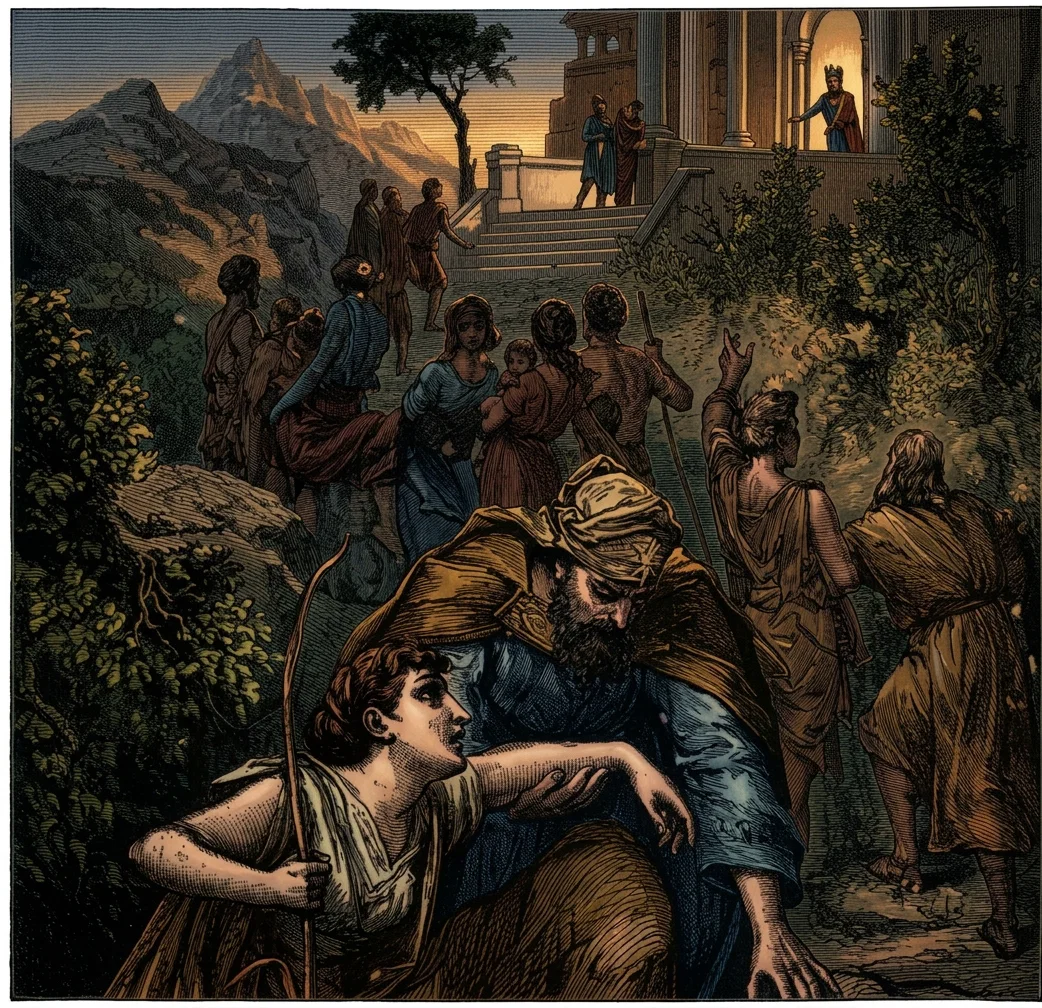
When the Lord was invited to the house of the chief Pharisee, he not only reproved those who chose out the highest places, but gave them instruction as to what kindguests they should invite to their feasts.
“Then said he also to him that bade him, When thou makest a dinner or a supper, call not thy friends, nor thy brethren, neither thy kinsmen, nor thy rich neighbors; lest they also bid thee again, and a recompense be made thee.”
This is a lesson of great importance to those to whom the Lord has intrusted riches, and many do not consider the interests of those who are in less favorable circumstances than they are themselves. “When thou makest a feast, call the poor, the maimed, the lame, the blind; and thou shalt be blessed; for they can not recompense thee; for thou shalt be recompensed at the resurrection of the just.”
How few who claim to be Christians practice the lesson that Christ has given on this point! In principle this was not new teaching; for the Old Testament gave rules that should control the action of those who loved God. From the pillar of cloud, Christ had given instructions to his people, saying: “If there be among you a poor man of one of thy brethren within any of thy gates in thy land which the Lord thy God giveth thee, thou shalt not harden thine heart, nor shut thine hand from thy poor brother; but thou shalt open thine hand wide unto him, and shalt surely lend him sufficient for his need, in that which he wanteth. . . . For the poor shall never cease out of the land; therefore I command thee, saying, Thou shalt open thine hand wide unto thy brother, to thy poor, and to thy needy, in thy land.” These words had been given to Moses to speak to the children of Israel. They were among the last words that he spoke to the Hebrew nation. Their invisible Leader, who was enshrouded in the pillar of cloud, gave these words of instruction to the people who had been chosen of God to be the light of the world.
How closely does the instruction given at the lips of Moses harmonize with the instruction that fell from the lips of Christ at the Pharisees’ house! He presented to the Pharisees the principles that were ever to be maintained by his representatives in the world. Christ saw abundant reason for repeating the principles that he had given in the Old Testament; for his professed people failed to carry them out in practical life. The poor were not to cease out of the land; they were always to remain in it, in order that there should be need for the continual exercise of beneficence. Through this means a counteracting influence was set into operation against the temptation to become selfish, to appropriate the Lord’s intrusted gifts, to use the opportunities and privileges which he had given them in gratifying themselves. Should they neglect the poor, and fail to diffuse light, then they would represent Satan, while flattering themselves that they were representing the principles of the character of God. The Lord reminds those assembled that God desires them to impart of his bounty to those who are less fortunate.
In his conversation at the table the Lord was not speaking new truth, advancing new doctrines, or expounding new principles. He was repeating an old commandment which he had previously given to Moses to be given to them. He wished them to understand that his teachings in nowise lessened the force of the commandments previously given. The feasts and the suppers that were given by the priests, the Pharisees, and rulers, were given merely for selfish enjoyment. They called in their favorites, their wealthy relatives and friends, who would in their turn invite them to feasts at their houses, and, if possible, spread before them more abundant supplies. Jesus sought to extend their vision, to show them that they had a duty, which was obligatory upon them for all time, and that was to minister to the poor, the lame, the halt, and the blind. He also would have them consider the fact that no duty done to the needy, the afflicted, and the sorrowing, would lose its reward.
No man should be content to settle down in the comfortable home that was provided for him through the benevolence of God, and close his eyes and hands, so that he shall not see the wants of the poor, nor administer to their necessities. Every man is called upon to cultivate the attributes that God will approve. We should cast aside selfish, earthly ambitions. Instead of exhausting our powers in strife for the first and highest place, seeking to be esteemed as honorable by men, we should seek to help others to enjoy the precious things that are given to us of God. We should not drop eternity out of our reckoning, but remember that in blessing others we shall bring a sure return to ourselves. Those who follow the example of Christ will receive nothing less than heaven, and the life that measures with the life of God.
The Lord Jesus entreats human agents not to cheat themselves out of heavenly treasures, and deprive themselves of an immortal inheritance by hoarding their earthly treasures, and by seeking to provide for themselves a portion in this life. He would have them understand that they are a part of the great web of humanity, and that they are to interweave their interests with the interests of others, and recognize that they are a part of the web of humanity, by supplying the needs of God’s suffering poor. Christ gives cautions and warnings that are of the highest importance, urging men to establish their principal interest in heaven. “But when thou makest a feast, call the poor, the maimed, the lame, the blind; and thou shalt be blessed; for they can not recompense thee; for thou shalt be recompensed at the resurrection of the just.” In his sermon on the mount he brought forth the same truth when he said: “Lay not up for yourselves treasures upon earth, where moth and rust doth corrupt, and where thieves break through and steal; but lay up for yourselves treasures in heaven, where neither moth nor rust doth corrupt, and where thieves do not break through nor steal; for where your treasure is, there will your heart be also.”
Continue reading: Question Corner