Your ShelfYour Projects

Signs of the Times, Vol. 22, No. 33.

What It Means

Signs of the Times

Aug 20, 1896

Pacific Press Publishing Company · Oakland, California · Aug 20, 1896

What It Means

Saints

The word “saint” in both singular and plural occurs in the New Testament sixty-two times. We read: “Here is the patience of the saints” (Rev. 14: 12), “To them that are sanctified in Christ Jesus, called to be saints” (1 Cor. 1: 2); “Beloved of God, called to be saints” (Rom. 1: 7). These are examples of the use of the word.

What It Means

The word “saint” comes from the Greek word hagios, meaning sacred, pure, blameless, consecrated, holy. It comes from the same root word as “sanctify.” A saint is, therefore, a holy, sanctified, consecrated person, one who is separated from the world, set apart to God’s service; for this is a prominent idea in the word. Those who are called to be saints—and all, praise God, are called in Jesus Christ—are called to be separate from the world, to be set apart to the service of God, to be holy unto the Lord, to be pure and blameless in his sight.

Applied to Whom

The term saint is properly applied only to those whom God has made holy. Man of himself is a sinner. “All have sinned and come short of the glory of God.” Man can not make himself one whit better by anything which he may do of himself. He may call himself saint; but it will not make him one. He may set himself to do the works of saints, but this will not change the carnal heart; only those can rightly be called saints, who submit to God’s call to be saints. Then God calls them saints; and his calling them saints makes them saints. Light was not, but God called, and there was light. Health did not exist in the poor leper, but Christ called for health and cleansing, and they came. So God is able to take the blinded, vile, corrupt, and heart-hardened sinner and call him saint. Man could call him saint; a church or pope could canonize him; that would not change him; but when God calls him saint, that makes him saint.

By What Agencies Accomplished

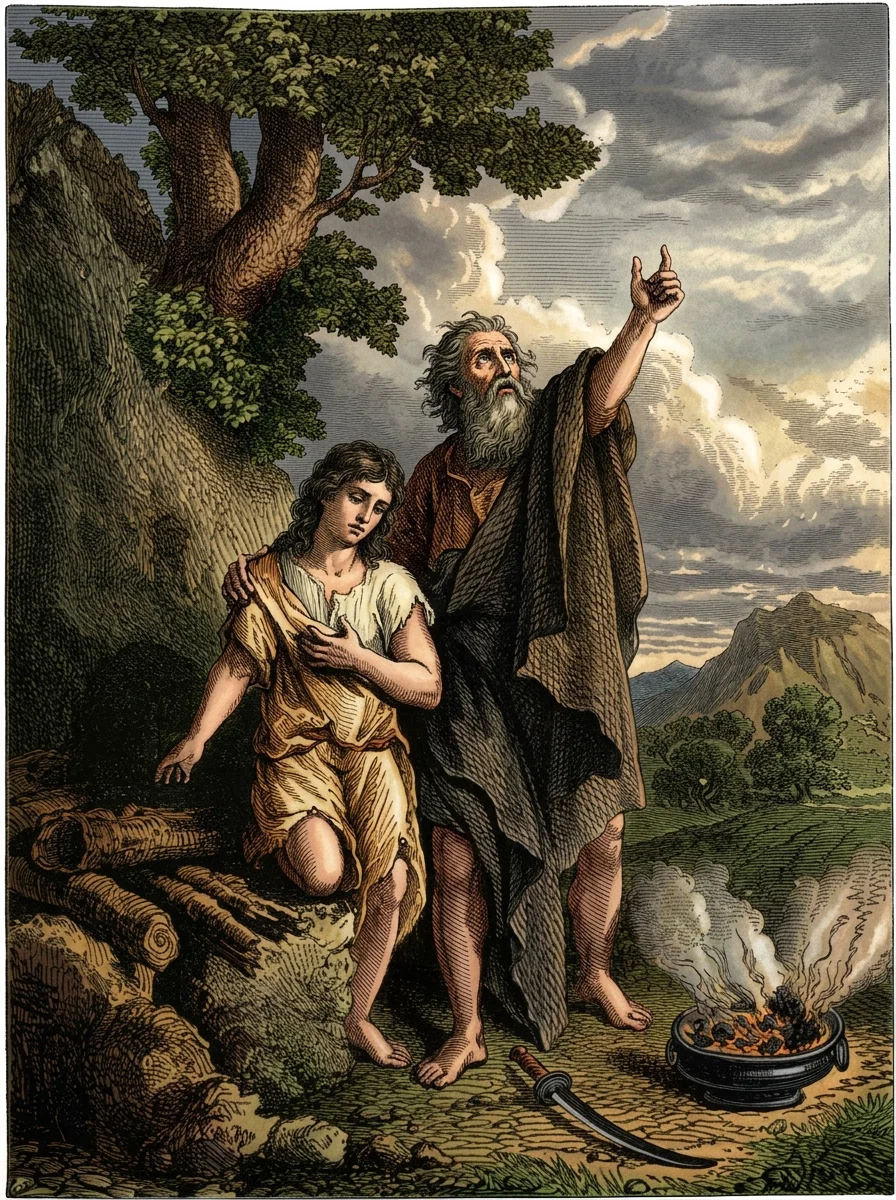
A WORK OF FAITH. (See page 5.)
How may we become saints?—It is only through Jesus Christ and his word, and his Spirit through the word, that man can be changed from a state of sin to one of righteousness, from a sinner to a saint. All that he can do is to submit to God, to yield all to him, to receive Jesus Christ, or, in other words, to believe; for Bible believing is yielding to God. “Submit yourselves therefore to God.” To those who thus submitted, Christ said, “Now ye are clean through the word which I have spoken unto you.” (John 15: 3.) Again: “Sanctify them through thy truth; thy word is truth (John 17: 17); “That he might sanctify and cleanse it [the church] with the washing of water by the word” (Eph. 5: 26); “Chosen you to salvation through sanctification of the Spirit and belief of the truth” (2 Thess. 2: 13); “Elect . . . through sanctification of the Spirit, unto obedience and sprinkling of the blood of Jesus” (1 Peter 1: 2); “Ye have purified your souls in obeying the truth through the Spirit” (verse 22). All these speak the same thing. By the mighty power of God’s life in his word is the change wrought; and all this Jesus Christ has purchased for us by his own precious blood. It is for all. We may be thieves and covetous and drunkards and revilers and extortioners and fornicators and idolaters, as were some of those at Corinth, but it may be said of us as of them, “But ye are washed, but ye are sanctified, but ye are justified in the name of the Lord Jesus, and by the Spirit of our God.” (1 Cor. 6: 11.)

By Whom Applied

Who shall use the term saint, and to whom apply it? From the foregoing, and from its Bible use, it will be seen that only God can truly call a person a saint. He alone it is who cleanses; he alone it is who has the right to declare the saintship. But we may call those saints whom God calls saints. We may speak of “Aaron the saint of the Lord,” and of “all the saints” of whom the apostle speaks, and all whom we believe to be the children of God. But in all God’s word we have no instance where the individual applies the term saint to himself, or where a company of individuals chose it as a distinctive appellation. Paul by inspiration many times calls the believers saints, but himself “a servant of God,” “less than the least of all saints.” He again writes: “Paul and Timotheus, the servants of Jesus Christ, to all the saints in Christ Jesus which are at Philippi.” The original word rendered “servant” and “servants” means a bond-servant, bond-slave, or bought bond-slave, purchased and owned by Jesus Christ, to serve him by the bond of love. What higher name can we ask?

The Character of a Saint

This we have already seen is holy, pure, separate from the world, set apart to God. It is the character of God in human flesh. It means perfect purpose and perfect heart to serve God. The life may be imperfect from lack of wisdom. The child may have a perfect love for the parent, but his work may be imperfect,from lack of knowledge and experience. So with the Christian or saint. He may make mistakes, may err in judgment, may at times be overcome, but it is not of purpose; and this is shown by forsaking the error and pressing more closely to the Master. The character of the saint is shown in his wholeness of purpose to be a servant of God, a follower of Jesus Christ. It is therefore not befitting or becoming in him to do worldly things. (See Eph. 5: 3–6.) He is not a saint if he chooses or prefers such an atmosphere. Men may call him “saint,” but the apostle adds, “Let no man deceive you with vain words; for because of these things [named in the verses before] cometh the wrath of God upon the children of disobedience.” The true saint is therefore an obedient servant. “Here is the patience of the saints; here are they that keep the commandments of God, and the faith of Jesus.” These are God’s characteristics of saints, of those who are saints in the latter days,—patience, faithfulness, obedience. This is true sainthood. If we would possess it in God’s sight, let it be our highest ambition to be, in very deed, bond-servants of God, doing his will from the heart.

“THE JOYS OF DEATH.”

The above is the heading of an editorial article in a prominent religious paper of New York. We wondered what a Christian could say of the joys of death—death, the enemy, the fruit of the union of Satan and sin. The writer spoke of the dying, the friends who had gone on before, the joy of meeting them and communing with Christ, etc. All this was interspersed with quotations from poetic effusions of questionable theology.
The word of God reveals no such thing as joy of death. Death has no joys. “Sin, when it is finished, bringeth forth death.” James 1:15. “The wages of sin is death.” Rom. 6:23. Death is the culmination of all sin and evil.
We could understand how despair and wretchedness and hopeless misery could find it joy to die, but how the Christian, whose normal condition is life, could find joy in death, we do not understand. He may have joy while dying, but he does not find joy in the death, it is not of the death, it is the joy which comes from Christ, his life, who has plucked death’s sting. But this joy is augmented in life, and finds its fulness in life.
The Bible speaks of death as an enemy: “The last enemy that shall be destroyed is death.” 1 Cor. 15:26. It comes through the devil, who “had the power of death.” Heb. 2:14. It is not what one enjoys, but what he must suffer. Death was among the things that Christ suffered. Never once in all God’s word do we read of death as a friend, or of the joys of death.
“Death is [not] a gate to endless joys,” albeit the hymn says so. “In death,” says the psalmist, in addressing God, “there is no remembrance of thee.” “His breath goeth forth, he returneth to his earth, in that very day his thoughts perish.” “Also their love, and their hatred, and their envy, is now perished.” “Death can not praise Thee.” These expressions from Holy Writ show conclusively that there are no joys in death or joys of death.
The joy of the Christian is in life; and so the good of all ages have longed for life. Those instructed in Bible truth, who must needs die, have found joy in waiting, not for death, but for Christ’s coming and the resurrection. In this was the hope of Abraham, Moses, Isaiah, David, Daniel, Hosea, and all the prophets and apostles. It is expressed by David, “I shall be satisfied when I awake with thy likeness.” By Isaiah: “Thy dead men shall live, together with my dead body shall they arise. Awake and sing, ye that dwell in dust; for thy dew is as the dew of herbs, and the earth shall cast out the dead.” So the apostle, declaring the resurrection and Christ’s coming, says, “Wherefore comfort one another with these words.” The only hope of the dead and the living is the resurrection of the dead and the change of the living at Christ’s second coming. (See 1 Cor. 15:12-21, 51-55; 1 Thess. 4:16-18; 2 Tim. 4:7, 8; Titus 2:13, et al.) There is life in righteousness, life in God’s presence; and there is true joy only in life.

GOD THE ONLY JUDGE.

Since the fourteenth chapter consists wholly of practical instruction in Christian living, and has no direct dependence upon the exhortations that have preceded it, we need not now take time to review the previous chapters, but will proceed at once with the text. Let it not be forgotten that this chapter, as well as those which precede, is addressed to the church, and not to those who do not profess to serve the Lord. In the sixth verse it is plainly shown that all who are spoken of in this chapter are those who acknowledge God as their Lord. The chapter therefore tells how we should regard one another as

Servants of One Common Master.

“Him that is weak in the faith receive ye, but not to doubtful disputations. For one believeth that he may eat all things; another, who is weak, eateth herbs. Let not him that eateth despise him that eateth not; and let not him which eateth not judge him that eateth; for God hath received him. Who art thou that judgest another man's servant? to his own master he standeth or falleth. Yea, he shall be holden up; for God is able to make him stand. One man esteemeth one day above another; another esteemeth every day alike. Let every man be fully persuaded in his own mind. He that regardeth the day, regardeth it unto the Lord; and he that regardeth not the day, to the Lord he doth not regard it. He that eateth, eateth to the Lord, for he giveth God thanks; and he that eateth not, to the Lord he eateth not, and giveth God thanks. For none of us liveth to himself, and no man dieth to himself. For whether we live, we live unto the Lord; and whether we die, we die unto the Lord; whether we live therefore, or die, we are the Lord's. For to this end Christ both died, and rose, and revived, that he might be Lord both of the dead and living. But why dost thou judge thy brother? or why dost thou set at naught thy brother? for we shall all stand before the judgment seat of Christ. For it is written, As I live, saith the Lord, every knee shall bow to me, and every tongue shall confess to God. So then every one of us shall give account of himself to God. Let us not therefore judge one another any more; but judge this rather, that no man put a stumbling-block or an occasion to fall in his brother's way.” Rom. 14: 1-13.

Questions on the Text.

Who are we not to shut away from our company?
“Him that is weak in the faith receive ye.”
But how are we not to receive him?
“Not to doubtful disputations.” Or, as indicated in the margin, and rendered in some versions, “Not to judge his thoughts.”
What illustration of differences of opinion does the apostle give?
“One believeth that he may eat all things; another, who is weak, eateth herbs.” “One man esteemeth one day above another; another esteemeth every day alike.”
In what state should every man be?
“Let each man be fully assured in his own mind.” R. V.
How are those who differ in opinion not to regard each other?
“Let not him that eateth despise him that eateth not; and let not him which eateth not judge him that eateth.”
Why not?
“For God hath received him.”
What is that man doing who judges another man?
He is judging “another man's servant.”
To whom is the servant responsible?
“To his own master he standeth or falleth.”
But will he really fall, if he is indeed a servant of God?
“He shall be holden up.”
Why?
“For God is able to make him stand.”
What is the lesson that we are to learn in all this?
“None of us liveth to himself, and no man dieth to himself.”
To whom do we live and die?
“Whether we live, we live unto the Lord; and whether we die, we die unto the Lord.”
Whose, then, are we under all circumstances?
“Whether we live therefore, or die, we are the Lord's.”
For what purpose did Christ die and rise again?
“That he might be Lord both of the dead and living.”
Why should we not judge or set at naught our brother?
“For we shall all stand before the judgment seat of Christ.”
What proof is cited for this?
“It is written, As I live, saith the Lord, every knee shall bow to me, and every tongue shall confess to God.”
What, then, must every one of us do?
“Every one of us shall give account of himself to God.”
Since God is to judge us all, what reasonable exhortation is given?
“Let us not therefore judge one another any more.”
What should we rather judge?
“That no man put a stumbling-block or an occasion to fall in his brother's way.”

The School of Christ.—

The church of Christ is not composed of perfect men, but of those who are seeking perfection. He is the perfect One, and he sends out the invitation:“Come unto me, all ye that labor and are heavy laden, and I will give you rest. Take my yoke upon you, and learn of me.” Matt. 11:28, 29. Having called all to come to him, he says, “Him that cometh to me I will in nowise cast out.” John 6:37. As one has said, “God reaches for the hand of faith in man to direct it to lay fast hold upon the divinity of Christ, that man may attain to perfection of character.” The faith may be very weak, but God does not reject him on that account. Paul thanked God that the faith of the Thessalonian brethren grew exceedingly (2 Thess. 1:3), which shows that they did not have perfect faith at the first. It is true that God is so good that every person ought to trust him fully; but just because he is so good, he is very patient and forbearing with those who are not well acquainted with him, and he does not turn away from them because they are doubtful. It is this very goodness and forbearance of God that develops perfect faith.

The Pupils Not Masters.—

It is not for the pupils to say who shall attend school. It is true that in this world there are schools that are exclusive, in which only a certain set of pupils are allowed. If one inferior in wealth and standing in society should seek to enter, there would be at once an uproar. The students themselves would make so strong a protest against the entrance of the newcomer, that the masters would feel obliged not to receive him. But such schools are not the schools of Christ. “There is no respect of persons with God.” He invites the poor and needy, and the weak. It is he, and not the pupils, that decides who shall be admitted. He says, “Whosoever will, let him take the water of life freely;” and he asks all who hear to extend the invitation. The only qualification necessary for entering the school of Christ is willingness to learn of him. If any man is willing to do his will, God will receive him and teach him. John 7:17. Whoever sets up any other standard, sets himself above God. No man has any right to reject one whom God receives.

Master and Servant.—

Christ said to his disciples: “Be not ye called rabbi; for one is your Teacher; and all ye are brethren.” “Neither be ye called masters; for one is your Master, even the Christ.” Matt. 23:8, 10, R. V. It is the master who sets the task for each pupil or servant. It is to the master that the servant looks for his reward. Therefore it is the master alone who has the right to give orders, and to pronounce judgment if there is failure. “Who art thou that judgest another man’s servant?” If you have not the power to reward his success, you have not the right to judge his failures.

“God Is the Judge.”—

“He puteth down one, and seteth up another.” Ps. 75:7. “For the Lord is our judge, the Lord is our lawgiver, the Lord is our king; he will save us.” Isa. 33:22. “There is one Lawgiver, who is able to save and to destroy; who art thou that judgest another?” James 4:12. The power to save and to destroy determines the right to judge. To condemn when one has not the power to carry the judgment into effect, is but a farce. Such an one makes himself ridiculous, to say the least.

The Spirit of the Papacy.—

The apostle Paul describes the apostasy as the revelation of “that man of sin,” “the son of perdition; who opposeth and exalteth himself above all that is called God, or that is worshiped; so that he as God sitteth in the temple of God, showing himself that he is God,” or, “setting himself forth as God.” 2 Thess. 2:3, 4. In Dan. 7:25 the same power is described as speaking great words against the Most High, and thinking to change times and laws. To set one’s self up against or above the law of God, is the strongest possible opposition to God, and the most presumptuous usurpation of his power. The end of the power that thus exalts itself is this: to be consumed by the Spirit of Christ, and destroyed by the brightness of his coming. 2 Thess. 2:8. Now read in James 4:11: “He that speaketh evil of his brother, and judgeth his brother, speaketh evil of the law, and judgeth the law; but if thou judge the law, thou art not a doer of the law, but a judge.” That tells us that whoever speaks evil of his brother, or judges or sets at naught his brother, is speaking against the law of God, and sitting in judgment upon it. In other words, he is putting himself in the place and doing the work of “that man of sin.” What else can result, but that he receive the reward of the man of sin? Surely there is enough in this thought to give us all pause.

All Subjects of Judgment.—

“For we shall all stand before the judgment seat of Christ.” In this statement there is no exception, for it is written, “As I live, saith the Lord, every knee shall bow to me, and every tongue shall confess to God.” This being the case, it is the strongest reason why we should not judge and condemn one another. Verse 10 gives the fact that we shall all stand before the judgment seat of Christ as the reason why we should not judge nor despise a brother. “So then every one of us shall give account of himself to God.” Notice this, that each one is to give account of himself, and not of somebody else, to God. In standing before the judgment seat of Christ, we are giving account to God, because Christ is the representative of Divinity in the judgment, as well as in all things. “For the Father judgeth no man, but hath committed all judgment unto the Son, that all men should honor the Son, even as they honor the Father.” John 5:22, 23.

The Time of Judgment.—

One reason why we should not judge, is that God is the judge. Another is, that “he hath appointed a day, in the which he will judge the world in righteousness by that Man whom he hath ordained.” Acts 17:31. The Father himself judges no man, but has committed all judgment to the Son. But even the Son does not sit in judgment now; for he says: “If any man hear my words, and believe not, I judge him not; for I came not to judge the world, but to save the world.” John 12:47. Therefore he who presumes to sit in judgment now, not only usurps the place of God, but gets ahead of him. There will be a time when judgment will be committed to the saints of the Most High, but it will be only when the saints possess the kingdom. Dan. 7:22. And those to whom judgment is committed will all be saints. 1 Cor. 6:2. None are to judge, except those who are without sin. The man who judges, therefore, declares himself to be without sin. But God is the only one whose testimony in this respect is of any worth; “for not he that commendeth himself is approved, but whom the Lord commendeth.” 2 Cor. 10:18. “Wherefore judge nothing before the time, until the Lord come.” 1 Cor. 4:5.

The Word of Judgment.—

But altho even Christ does not yet judge, he speaks the word by which men are to be judged; and that is the word of God. He says: “He that rejecteth me, and receiveth not my words, hath one that judgeth him; the word that I have spoken, the same shall judge him in the last day. For I have not spoken of myself; but the Father which sent me, he gave me a commandment, what I should say, and what I should speak.” John 12:48, 49. Altho Christ did not condemn anybody when he was on earth, the word that he spoke often caused those who heard it to be convicted in their own hearts, and self-condemned. “For God sent not his Son into the world to condemn the world; but that the world through him might be saved. He that believeth on him is not condemned; but he that believeth not is condemned already, because he hath not believed in the name of the only-begotten Son of God. And this is the condemnation, that light is come into the world, and men loved darkness rather than light, because their deeds were evil.” John 3:17–19.

Truth and Condemnation.—

From the words of Christ, which we have quoted in the last paragraph, we clearly see that there is a difference between condemning men and speaking the truth. Christ was not sent into the world to condemn the world; but he was sent into the world to bear witness to the truth. John 18:37. He did not condemn anybody, yet he declared the truth. So his followers are not to condemn anybody; yet none are his followers except those who speak the truth. If any are not doing the truth, the word of truth will enlighten them as to their duty. If they then persist in error, the word of truth testifies against them. But the one who speaks that word utters no condemnation.

Knowledge of Right and Wrong.—

In like manner it by no means follows that a person, in order not to condemn, must not exercise the knowledge of right and wrong, which God has given him. If he did not, he could not be a witness for the truth. Neither could he do the truth. God’s word is truth (John 17:17); therefore the follower of Christ must both by words and actions speak the word of God. That word points out the difference between truth and error. It tells what things ought to be done, and what should not be done. By that word one may, and ought to, declare of certain things, “They are sinful.” But in so saying he utters no decision concerning any person. In short, the word of God condemns sin, now and always; but it does not at all condemn sinners, until the last day. Certainly all can see this clear distinction, and may know what they should do and what they should not do, in order to be in harmony with God’s word.

The Law and the Testimony.—

“To the law and to the testimony; if they speak not according to this word, it is because there is no light in them.” Isa. 8:20. That is, the testimony which we are always to give, mustbe according to the law of God. “If any man speak, let him speak as the oracles of God.” 1 Peter 4:11. Therefore, while we are not at liberty to condemn, we are at the same time not at liberty to disregard the word of God. We are by no means to assume that it makes no difference what we do; nor are we to give other people the idea that it is of no importance whether they keep the law of God or not. That form of charity which consists in giving away the word of God, or, rather, in throwing it away, so as not to say anything contrary to anybody’s ideas or prejudices, is a form of charity that finds no warrant in the Bible.

Personal Questions.—

Sometimes a person will ask concerning some duty pointed out by the law of God, “Ought I to do that?” The one questioned can only reply: “You ought to obey the Lord; now when you know what the Lord says, why do you ask me if you shall obey? I can not absolve you from obeying God; and if you do obey him, you ought to do it because he says so, and not because a man tells you to.” Again, a man sometimes asks, “Do you think that I shall be condemned if I do not keep the Sabbath?” We can only say: “I am not the judge; I have nothing to do with condemnation. You know what the Lord commands; decide for yourself whether or not you can reject his word and be justified.” The word of God is the sole guide, the sole standard of authority. Men must be brought face to face with it, and then left there alone with it.

The Law Not Disparaged.—

There are many people who seem to be quite familiar with the words of the first part of the fourteenth of Romans, who evidently very seldom read any other part of the epistle. That is, they know that the apostle Paul wrote: “One man esteemeth one day above another; another esteemeth every day alike. Let every man be fully persuaded in his own mind.” But they are so unfamiliar with the rest of the epistle that they suppose that this statement does away with the law of the Sabbath. What evidence have we that these words do not in the least degree intimate that the law of God, which includes the fourth commandment, is a matter of indifference? Note the following points, and you will readily see: First, the apostle says in this same chapter that “we shall all stand before the judgment seat of Christ.” Second, he says also in the first part of the epistle, that “as many as have sinned in the law shall be judged by the law,” “in the day when God shall judge the secrets of men by Jesus Christ.” Rom. 2:12, 16. When the apostle says that we are all to stand at the judgment seat of Christ, and that the law of God is to be the standard of that judgment, it is very evident that he never intends to be understood as saying that it is a matter of no importance whether or not we keep that law.

The Law and the Sabbath.—

The fourth commandment of the law by which all men are to be judged, reads thus: “Remember the Sabbath day, to keep it holy. Six days shalt thou labor, and do all thy work; but the seventh day is the Sabbath of the Lord thy God; in it thou shalt not do any work; . . . for in six days the Lord made heaven and earth, the sea, and all that in them is, and rested the seventh day; wherefore the Lord blessed the Sabbath day, and hallowed it.” Ex. 20:8–11. Of this law Jesus said: “Think not that I am come to destroy the law, or the prophets; I am not come to destroy, but to fulfil. For verily I say unto you, Till heaven and earth pass, one jot or one tittle shall in nowise pass from the law, till all be fulfilled.” Matt. 5:17, 18. The Sabbath therefore stands in the law just the same as when it was spoken from Sinai; and the law in which it stands is the law by which men are to be judged at the last day. Therefore it can not be a matter of indifference whether the Sabbath is kept or not; and it must be that the Sabbath, with the rest of the law, is to be proclaimed to all men, in order that they may be prepared for the judgment. This being the case, we very well know that in the fourteenth chapter of Romans the apostle Paul does not convey the least shadow of an idea that the keeping of the Sabbath is a matter of indifference.

“Every Day.”—

Some one will of course interpose that the apostle says “every day,” and that therefore he must necessarily include the Sabbath among things indifferent. Not so fast. In the sixteenth of Exodus we read that the people were told that they were to go out and gather a certain portion of manna “every day;” and yet in the same chapter we are told that they should find none at all on the seventh day. We are not to try to catch the Lord in his own words. When he says that a certain work is to be done every day, we are to know that he excepts, as a matter of course, those days on which he himself has said that work may not be done. When a man says that his children go to school every day, he means of course that they go every school day, and not that they go when there is no school. So when the apostle Paul, writing by inspiration of God, seems to imply that there are certain days which may be regarded or not, as one may choose, we must know that he does not by any means design to convey the idea that the holy Sabbath of the Lord, which was commanded to all men by his own voice, is among those indifferent days.

“Fully Persuaded.”—

“Let every man be fully persuaded in his own mind.” So far as this statement is concerned, it makes no difference if it is applied to the Sabbath of the Lord. God desires willing, intelligent service. The man who professes to keep the Sabbath of the Lord, and yet is not sure that it is the Sabbath, is not keeping it at all. The law of God is not to be regarded simply as a thing to dodge behind in order to escape the wrath of God. The man who is not sure about the law, but who thinks that he will keep it so as to be on the safe side in the judgment, if it should chance to be the standard in that judgment, is not serving the Lord, but himself. Let a man be fully persuaded in his own mind that “the law is holy, and the commandment holy, and just, and good,” and then let him keep it unto the Lord. If he does not keep it because he knows it to be right, his apparent service is but mockery and sin.
E. J. W.

Willful Blindness

“To all intents and purposes he who will not open his eyes, is for the present as blind as he who can not.”

Answers to Questions

“Enquire, and make search, and ask diligently.”
[From time to time we will reply under this head, if deemed advisable, to such candid inquiries as may be sent us. Correspondents wishing a reply to their questions must give their full name and address, not for publication unless they wish, but as an evidence of good faith on their part, and to give us opportunity to reply by letter if deemed best. It is always well to inclose stamp. Let the questions be short and pointed, and such as may be answered in limited space. The questions will be numbered continuously.]

No. 401. Christ’s Words to His Mother.

PLEASE explain John 2:4, “Jesus saith unto her, Woman, what have I to do with thee? mine hour is not yet come.”
S. M. H.
It was a common form of speech, expressive of the thought that “this is not a matter between thee and me,” this is not for us to decide. Young translates, “What to thee and to me, woman?” The mother of Jesus evidently thought it to be a good time to show himself to be the Messiah; and Jesus by his question showed her that that was not a matter for her or him to decide; his manifestation as the Messiah rested with God. Jesus was but doing the will of his Father. His words to his mother were also a respectful reminder that her son was no longer under her control.

No. 402. No Man Hath Ascended Up to Heaven.

PLEASE explain John 3:13, which says, “No man hath ascended up to heaven.” We read of some being translated.
J. L.
It means that no one save Jesus Christ revealed the truth that saves. No man had gone from earth up to heaven to learn these things that he might tell them to the world. Man of himself could only tell of the earth; and no man had ever ascended to heaven to know truth for the benefit of his fellow-men. Christ came from above, from his own home, to reveal the truth to the world. Enoch and Elijah ascended to heaven; but not for the purpose for which Christ came. Christ brought heaven down to men; the very atmosphere of heaven was about him.

No. 403. Calling the Disciples.

MATTHEW and Mark and Luke tell us that Peter and Andrew were fishing when Jesus called them, but John says that Andrew was with John, and he afterward told Peter about the Christ. See Matt. 4:18; Mark 1:16; Luke 5:1-11; John 1:40, 41.
J. E. G.
The event recorded in John seems to have been prior to that recorded in the synoptic Gospels. The disciples went back to their fishing; after this Jesus went to their own section, and definitely called them, and “they forsook all and followed him.” Luke 5:11.

No. 404. What Is Usury?

WHAT is usury? Nowadays I understand that it is unlawful interest, but does not the Bible teach us in Ex. 22:25; Ps. 15:5; Eze. 18:8, and parallel passages, that it is increase?
J. E. G.
The word itself means compensation for use. When God gave his people the land of Canaan, all had sufficient. They were dependent for their existence upon the land, not upon money loaning. They were therefore forbidden to loan money to their poor brethren and charge for the use of it. But when one is wholly dependent upon his money for his living, and has but a limited amount of it, it seems to us perfectly proper that those who borrow his money in order to get increase should pay the owner of the money a reasonable interest. Conditions now are vastly different than they were in Palestine under the Lord’s rule, and yet, according to God’s word, a well-to-do or rich man should never charge a poor and worthy brother interest, nor should he charge any one exorbitant interest. The same principle of just and generous dealings exists now as then.
Continue reading: Harmony of Paul and James on Faith and Works