BETWEEN TWO CONTINENTS

4%

Review and Herald Publishing Association · Takoma Park Station, Washington, D. C. · Nov 26, 1908

FromReview and Herald, Vol. 85, No. 48.

Read the full edition

BETWEEN TWO CONTINENTS

THE WEST INDIES

The Islands of the West
FROM the days when Europe heard the startling news that Columbus had discovered a new world, till the present, the West Indies have exercised a charm over the minds of foreigners scarcely equaled by any other territory. For many years the imaginations of men built castles of luxury and held untold wealth derived from the mines of gold and silver which they supposed to be within easy access in many of these islands. It was difficult to persuade adventurers and those seeking riches without labor, that the natives had not hidden priceless treasure of gold and silver to prevent its being taken by force by those who were continually visiting their land. It was hoped and sincerely believed by many that within the West Indies lay the Eldorado for which men had been hoping for many ages.
WORKERS AND CONVERTS
To reach this dreamland of the distant West, many daring men crossed the ocean, bringing with them a thirst for gain which knew no bounds. Many of them had broken away from their family ties, and after passing beyond the confines of civilization, they taught the simple natives of these fair islands lessons in lust and greed, in cruelty and oppression, which their natural hearts had never before known. Before these simple savages, there were daily practised by their white visitors crimes of blood and oppression which the savage eye had never before seen.
The inordinate desire for gold on the part of the strangers surprised the simple, believing native, and he looked with fear and contempt upon those who could be so base in order to gain that which could neither satisfy nor keep alive.
The spirit of the natives chafed under the galling yoke of their strange captors, and it was not long before they rebelled against the treachery and tyranny of their self-appointed masters. During the rebellions which soon followed the coming of the white man, the natives continually played a losing game. It did not take many generations of continual war and enforced slavery almost to exterminate the native people.
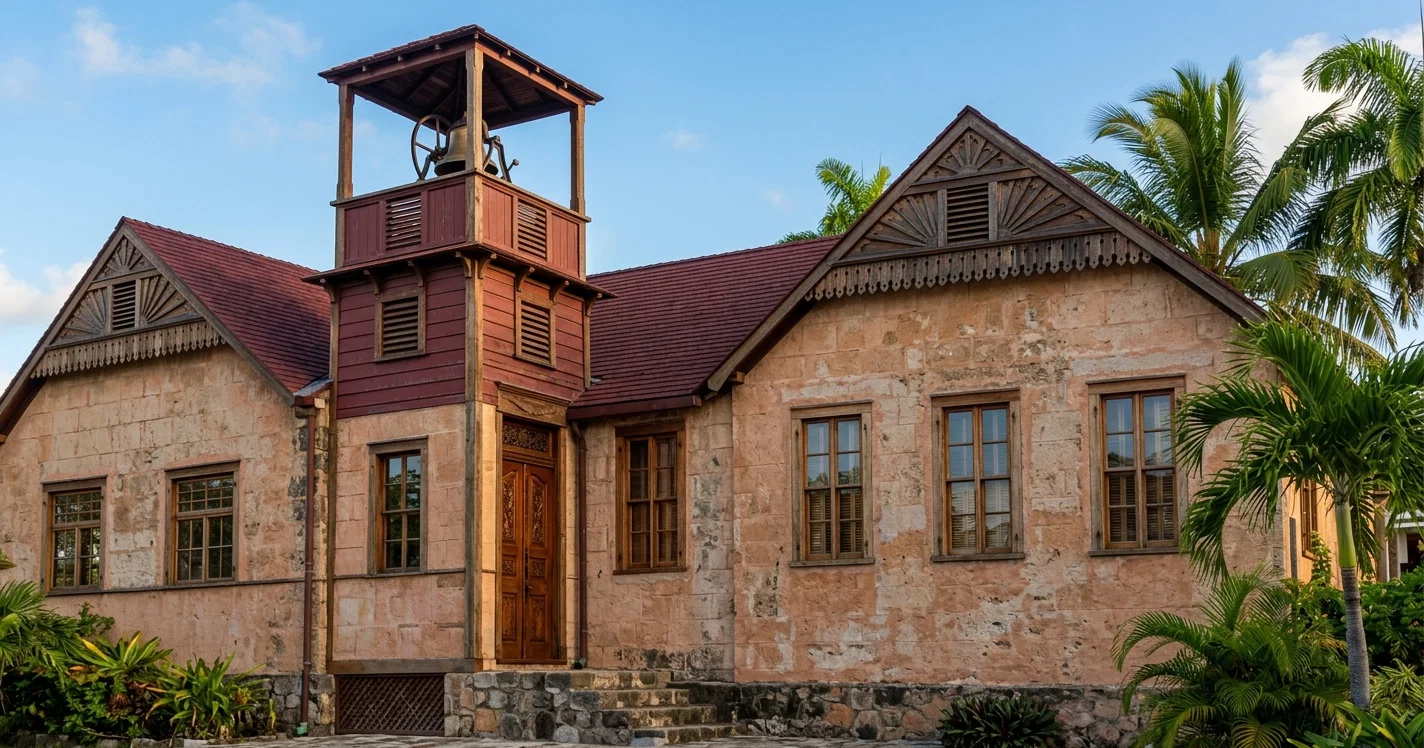
CHURCH AT ST. JOHNS, ANTIGUA
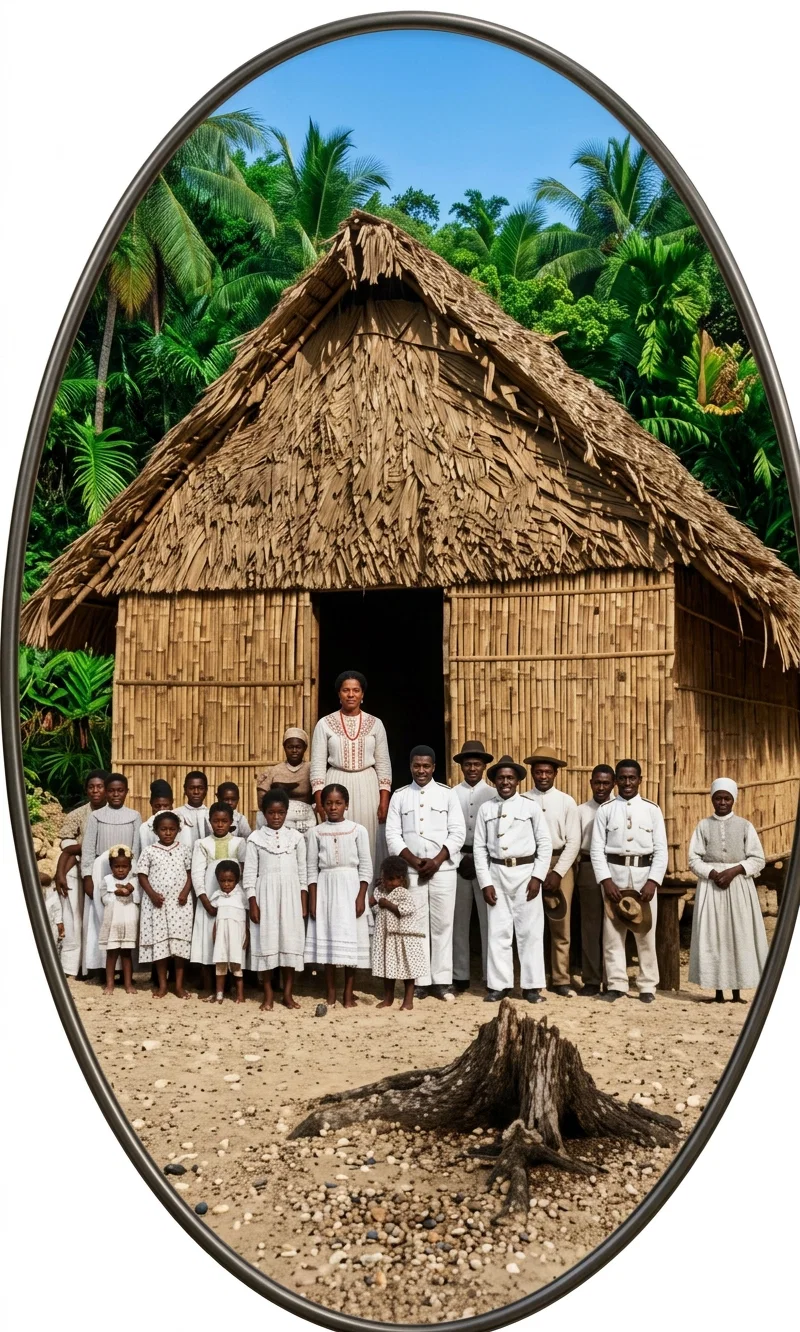
To-day there is scarcely a remnant left of all the tribes that once filled these various islands. The inhabitants now are largely the descendants of the imported African, often crossed with the whites,—English, or Spanish, or Dutch.
Lying wholly within the tropical zone, the weather on the islands is always warm, and wherever there is rainfall, vegetation is abundant. Their summer is perpetual; the trees are ever green; fruit, when cultivated, hangs ripening on some tree or vine the whole year through, and an abundant supply of earth's bounties is enjoyed by those who take the trouble to till the soil.
The establishment of the second advent message in the West Indian field, the northern part of South America, and the Isthmus of Panama, and Central America, dates back to about the year 1884, when literature, placed on board a boat in New York harbor, came into the hands of some of the people of Georgetown, British Guiana. Additional literature was called for and distributed, and as a result several accepted the views taught therein. These doctrines soon spread to some of the adjacent islands, from which later came a call for evangelists.
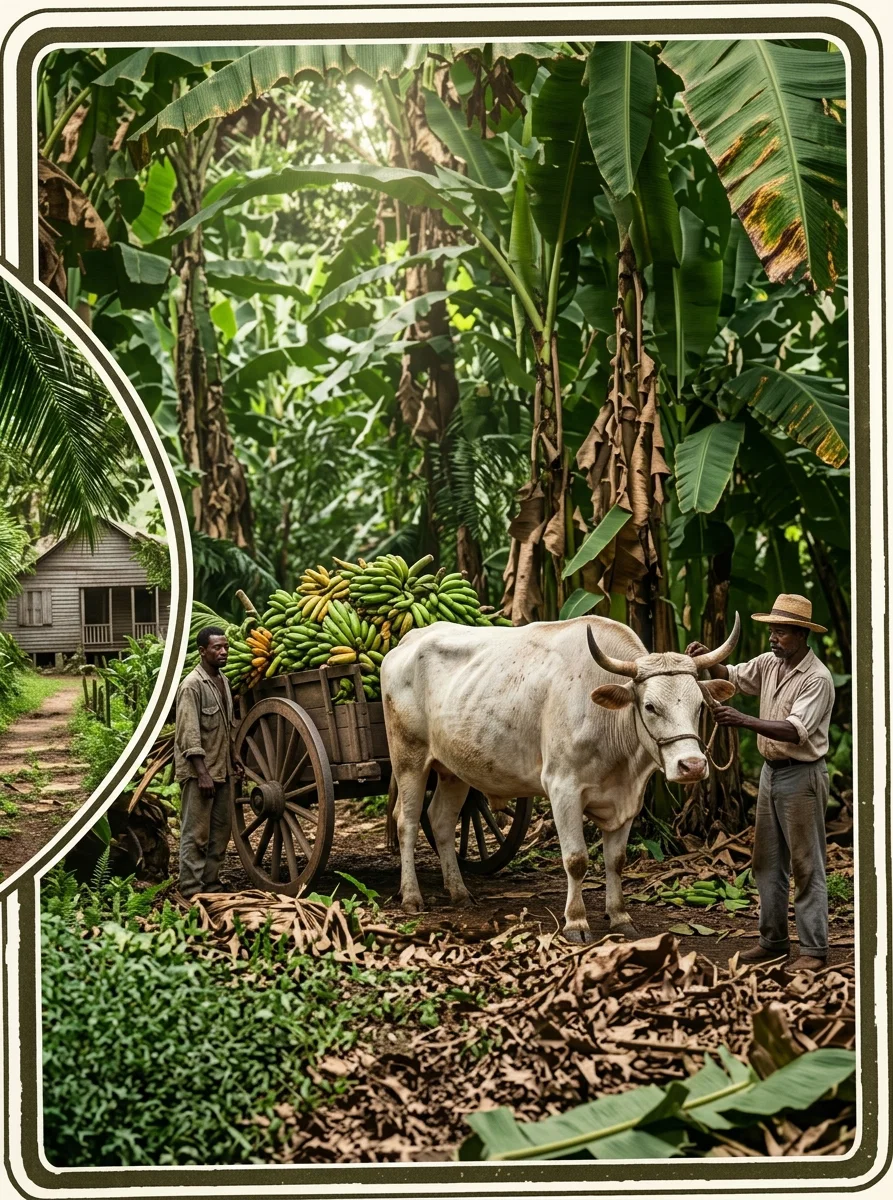
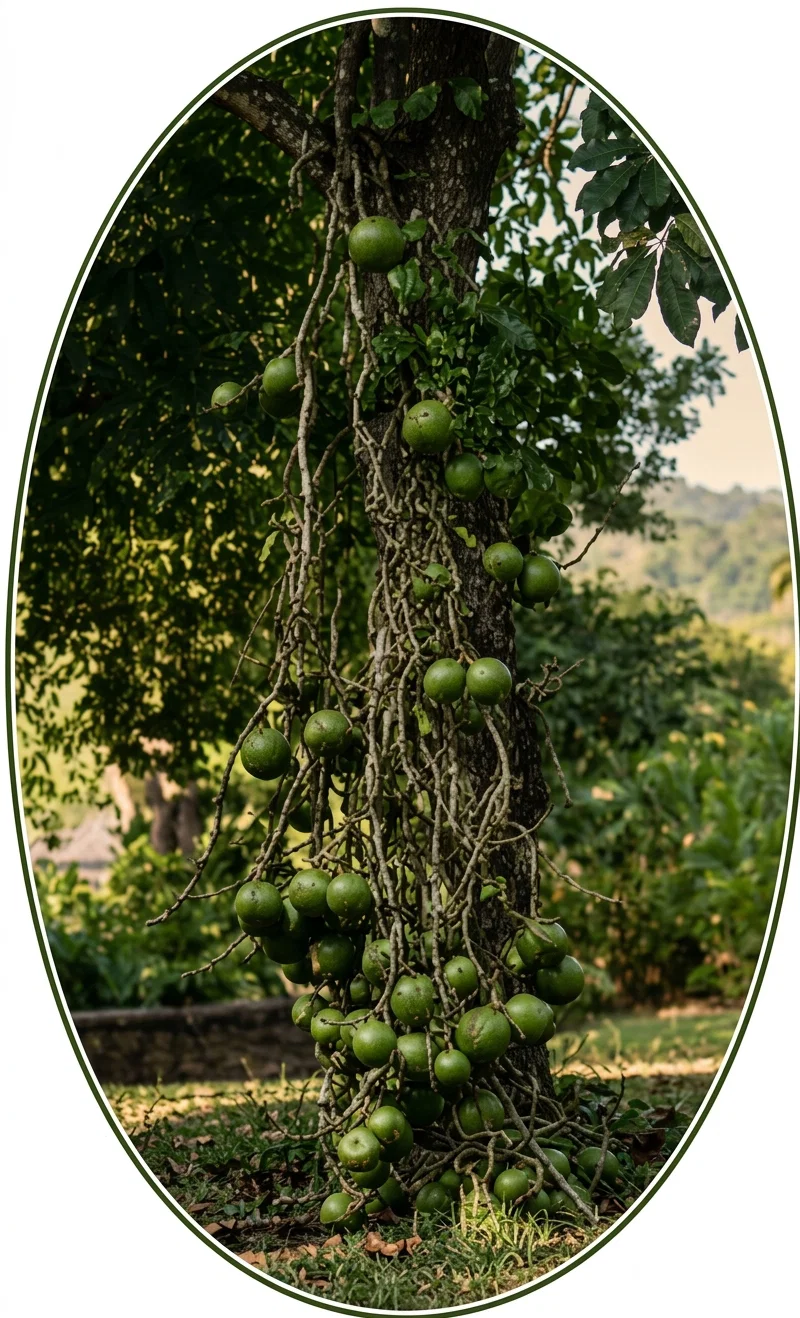
HARVESTING BANANAS
HARVESTING BANANAS
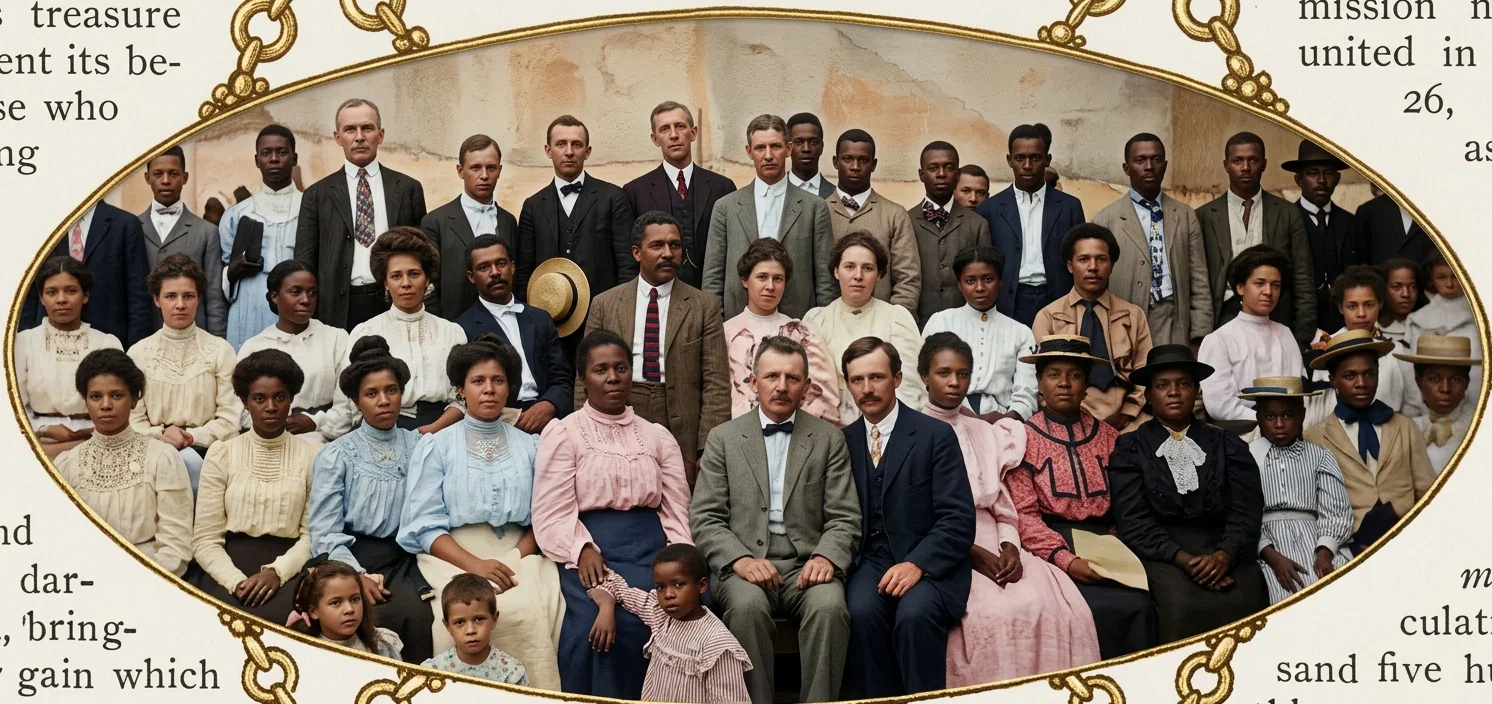
God has greatly blessed the evangelistic work in the West Indies during the last twelve or fifteen years. There are at present about three thousand five hundred Adventists in the Caribbean field, embracing nearly all the nationalities of modern Europe and America, and speaking a great variety of languages. The field has become so strong numerically that there are already six organized local conferences and three organized mission fields. These were all united in one organization, June 26, 1906, which is known as the West Indian Union Conference.
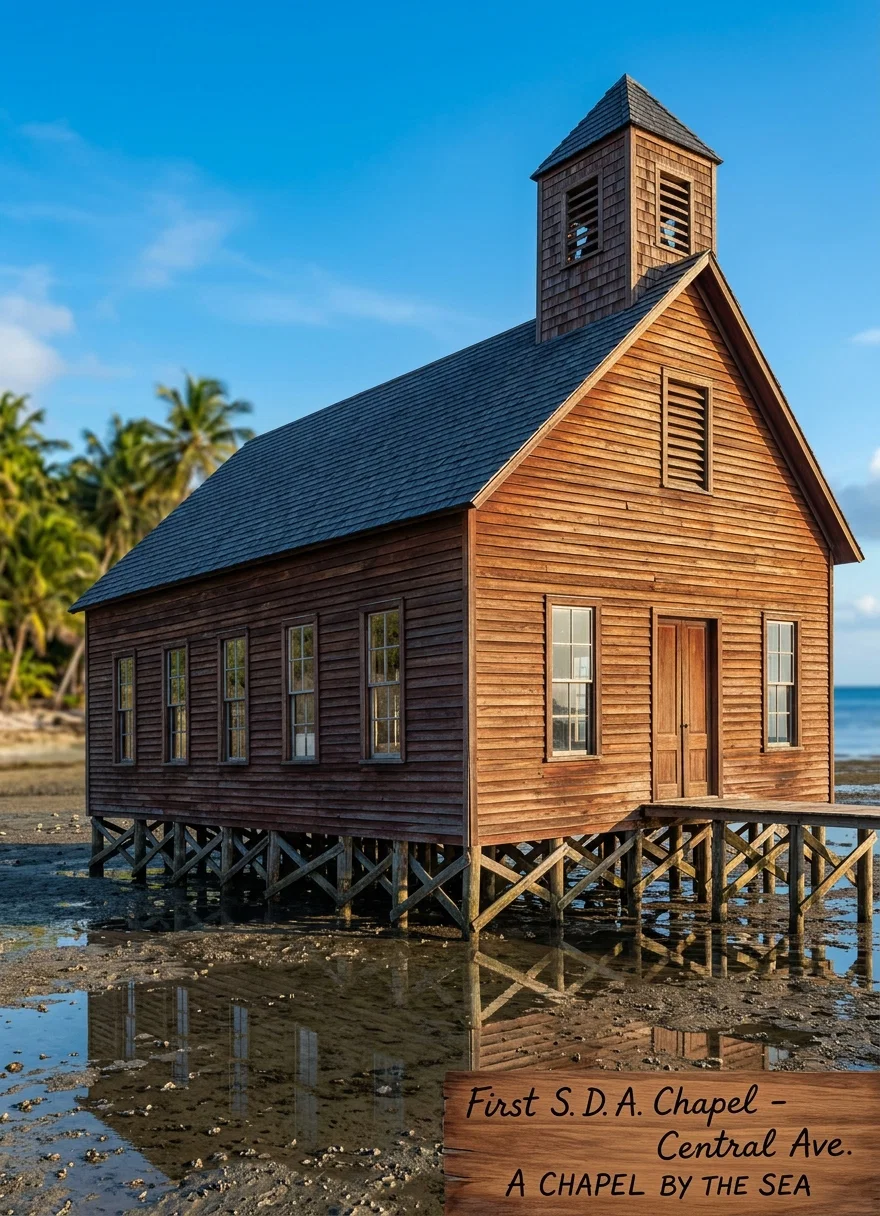
A CHAPEL BY THE SEA
A CHAPEL BY THE SEA
A little printing plant has been operated at Port of Spain, Island of Trinidad, where is printed a periodical known as the Caribbean Watchman, with a monthly circulation of about seven thousand five hundred copies. Besides this, numerous tracts and pamphlets are being printed and extensively circulated. It is the plan at the present time to move the headquarters of the publishing work from Port of Spain, Trinidad, to Colon, in the Canal Zone. Four faithful, hard-working ministers and leading workers have succumbed to the fever in Port of Spain, and the quarantines that are continually waged against this city by other islands make it imperative that the headquarters of the publishing work be moved from Port of Spain at an early date. Already plans are being laid for the erection this year of a printing plant at Colon, Canal Zone. A periodical, known as El Centinela de la Verdad, with a circulation of about six thousand copies monthly, is printed in Porto Rico. It is planned to unite the printing plant at Porto Rico with the one at Colon, printing both Spanish and English for the whole field.
For many years there has been felt the need of a training-school in the West Indies, but not until last year were our people able to afford thisgreat necessity. A tract of land of a little over five hundred acres was bought near Riversdale, Jamaica, where a training-school has been established for the West Indian field. This school is centrally located, and bids fair to sustain a large number of students who can pay their way through school by manual labor. This school needs financial aid. There are several hundred students who ought to have the privileges of this school, but who are not able to pay even so small a sum as five dollars in order to secure this education. The school gives opportunity for labor, so the students can work their way through, on condition that they pay five dollars in cash for books and incidentals.
A scholarship for a year will cost about seventy dollars. There are hundreds of persons in the United States who could easily maintain one of these students in school for a year or more.
Plans are also being laid to open a school in Cuba for the Spanish-speaking people. Another school is also contemplated in Guatemala, Central America. These schools are a necessity, owing to conditions that exist in the countries mentioned.
When we survey the work accomplished during the last fifteen years in the West Indian field, we can truly say that the Lord has been indeed good to his people. We look forward with hope to a still larger growth in the coming years.