FROM the days when Europe heard the startling news that Columbus had discovered a new world, till the present, the West Indies have exercised a charm over the minds of foreigners scarcely equaled by any other territory. For many years the imaginations of men built castles of luxury and held untold wealth derived from the mines of gold and silver which they supposed to be within easy access in many of these islands. It was difficult to persuade adventurers and those seeking riches without labor, that the natives had not hidden priceless treasure of gold and silver to prevent its being taken by force by those who were continually visiting their land. It was hoped and sincerely believed by many that within the West Indies lay the Eldorado for which men had been hoping for many ages.
WORKERS AND CONVERTS
To reach this dreamland of the distant West, many daring men crossed the ocean, bringing with them a thirst for gain which knew no bounds. Many of them had broken away from their family ties, and after passing beyond the confines of civilization, they taught the simple natives of these fair islands lessons in lust and greed, in cruelty and oppression, which their natural hearts had never before known. Before these simple savages, there were daily practised by their white visitors crimes of blood and oppression which the savage eye had never before seen.
The inordinate desire for gold on the part of the strangers surprised the simple, believing native, and he looked with fear and contempt upon those who could be so base in order to gain that which could neither satisfy nor keep alive.
The spirit of the natives chafed under the galling yoke of their strange captors, and it was not long before they rebelled against the treachery and tyranny of their self-appointed masters. During the rebellions which soon followed the coming of the white man, the natives continually played a losing game. It did not take many generations of continual war and enforced slavery almost to exterminate the native people.
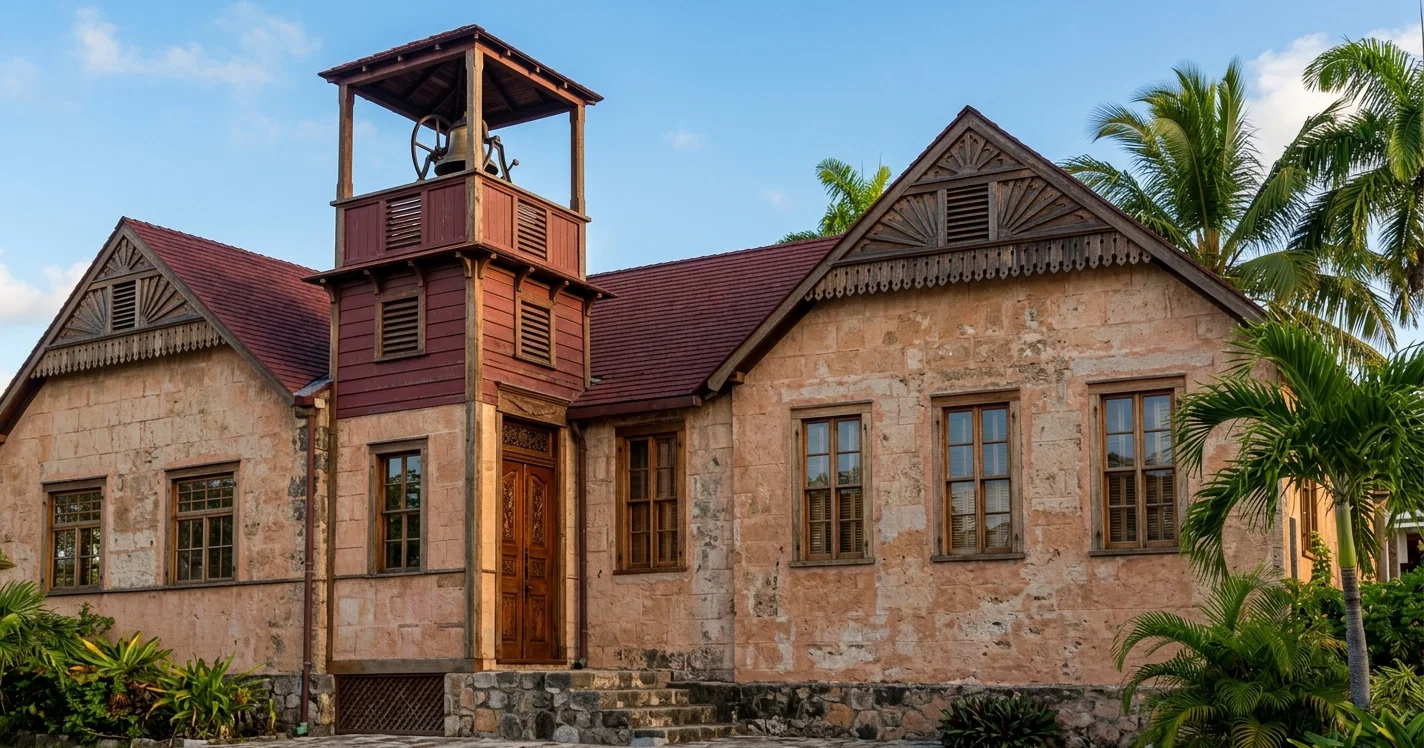
CHURCH AT ST. JOHNS, ANTIGUA
To-day there is scarcely a remnant left of all the tribes that once filled these various islands. The inhabitants now are largely the descendants of the imported African, often crossed with the whites,—English, or Spanish, or Dutch.
Lying wholly within the tropical zone, the weather on the islands is always warm, and wherever there is rainfall, vegetation is abundant. Their summer is perpetual; the trees are ever green; fruit, when cultivated, hangs ripening on some tree or vine the whole year through, and an abundant supply of earth's bounties is enjoyed by those who take the trouble to till the soil.
The establishment of the second advent message in the West Indian field, the northern part of South America, and the Isthmus of Panama, and Central America, dates back to about the year 1884, when literature, placed on board a boat in New York harbor, came into the hands of some of the people of Georgetown, British Guiana. Additional literature was called for and distributed, and as a result several accepted the views taught therein. These doctrines soon spread to some of the adjacent islands, from which later came a call for evangelists.
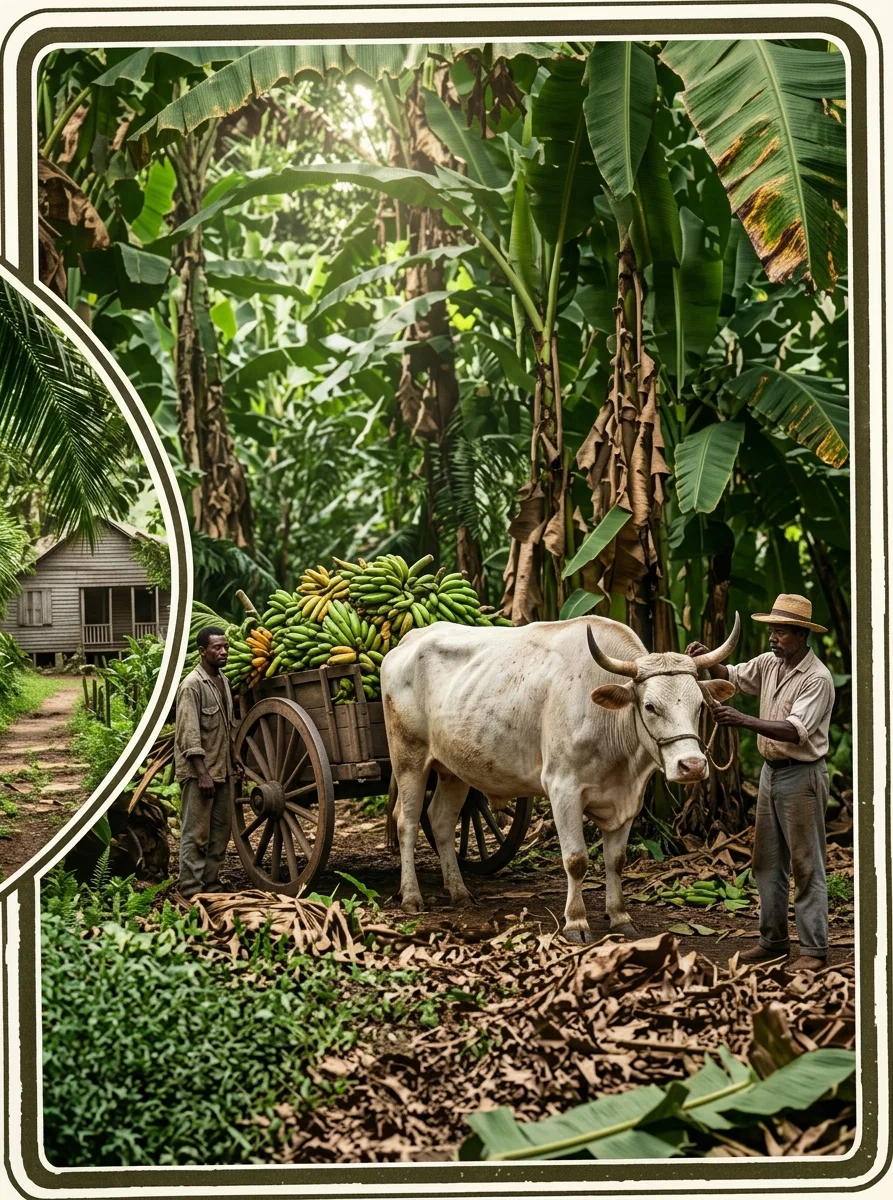
HARVESTING BANANAS
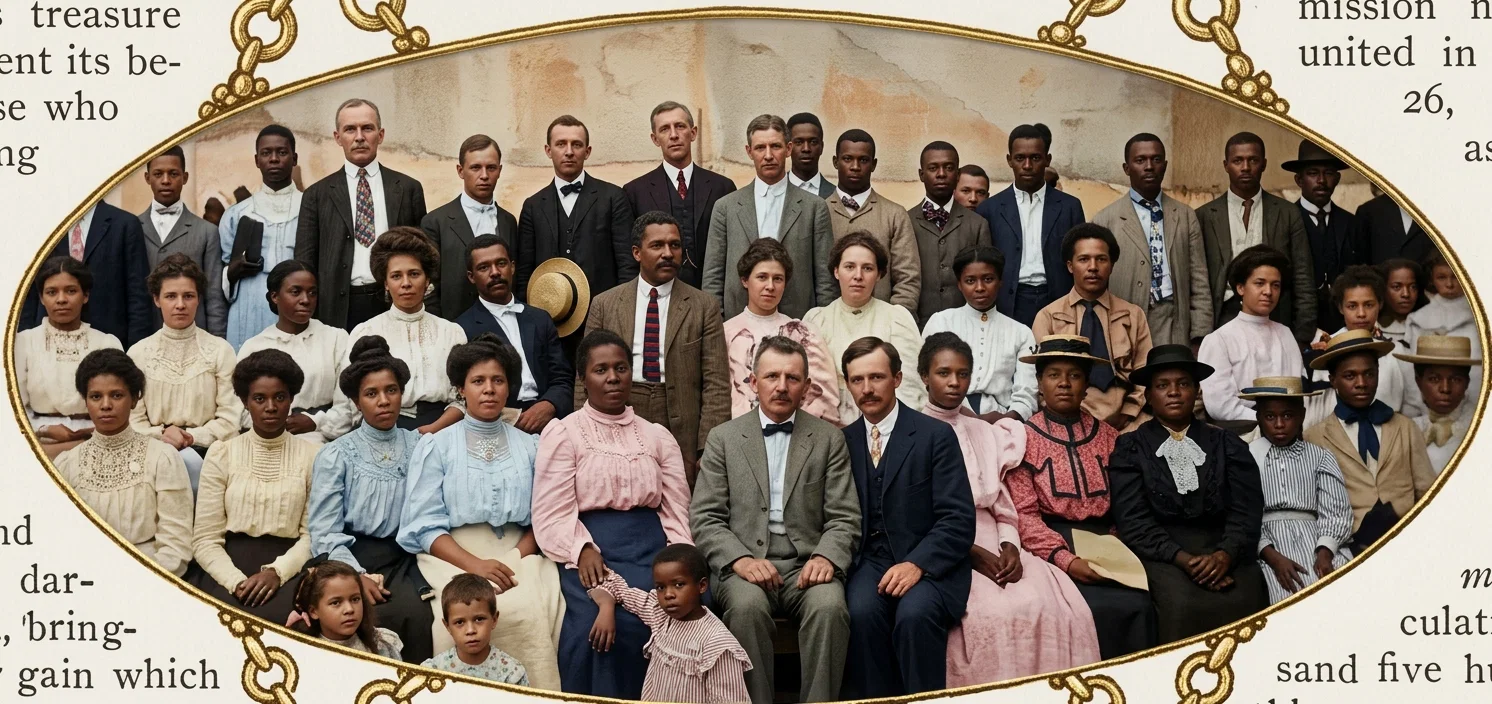
God has greatly blessed the evangelistic work in the West Indies during the last twelve or fifteen years. There are at present about three thousand five hundred Adventists in the Caribbean field, embracing nearly all the nationalities of modern Europe and America, and speaking a great variety of languages. The field has become so strong numerically that there are already six organized local conferences and three organized mission fields. These were all united in one organization, June 26, 1906, which is known as the West Indian Union Conference.
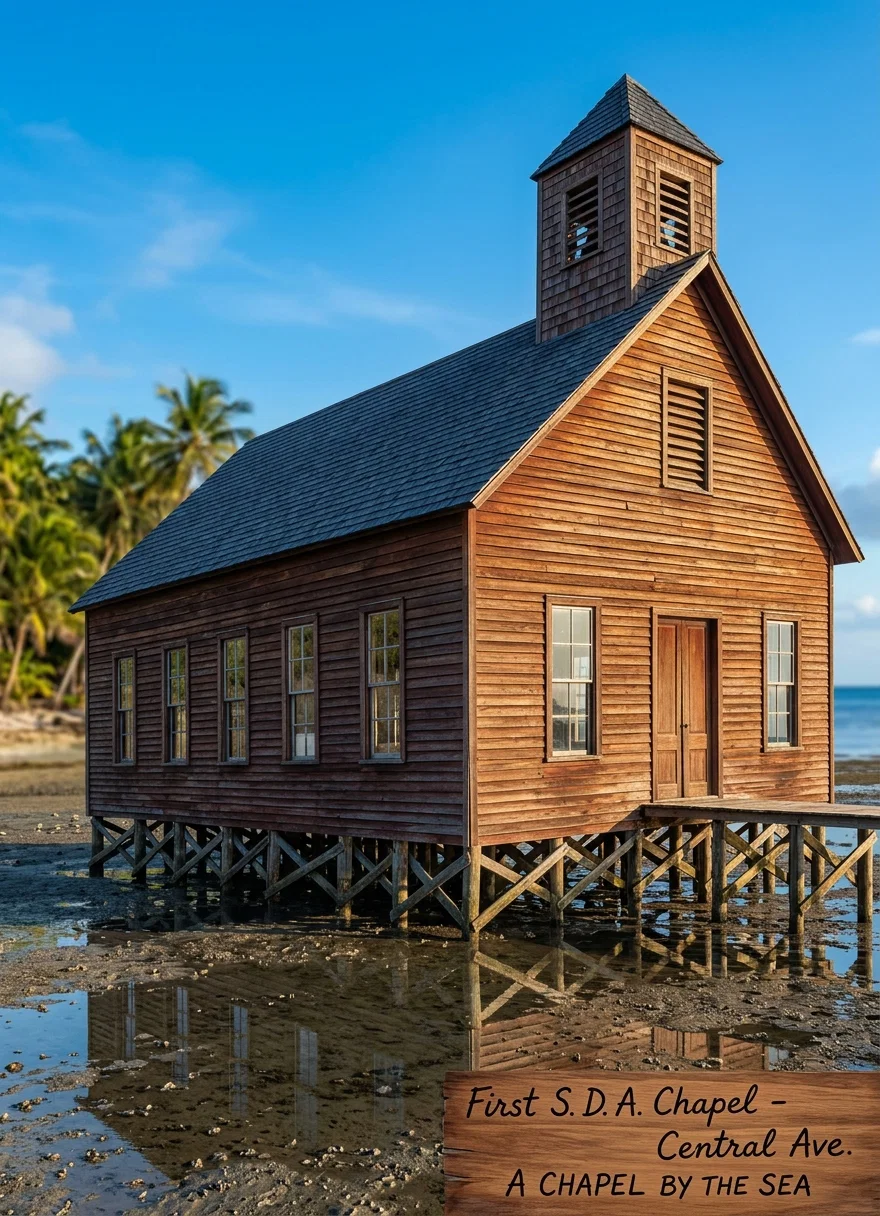
A CHAPEL BY THE SEA
A little printing plant has been operated at Port of Spain, Island of Trinidad, where is printed a periodical known as the Caribbean Watchman, with a monthly circulation of about seven thousand five hundred copies. Besides this, numerous tracts and pamphlets are being printed and extensively circulated. It is the plan at the present time to move the headquarters of the publishing work from Port of Spain, Trinidad, to Colon, in the Canal Zone. Four faithful, hard-working ministers and leading workers have succumbed to the fever in Port of Spain, and the quarantines that are continually waged against this city by other islands make it imperative that the headquarters of the publishing work be moved from Port of Spain at an early date. Already plans are being laid for the erection this year of a printing plant at Colon, Canal Zone. A periodical, known as El Centinela de la Verdad, with a circulation of about six thousand copies monthly, is printed in Porto Rico. It is planned to unite the printing plant at Porto Rico with the one at Colon, printing both Spanish and English for the whole field.
For many years there has been felt the need of a training-school in the West Indies, but not until last year were our people able to afford this25great necessity. A tract of land of a little over five hundred acres was bought near Riversdale, Jamaica, where a training-school has been established for the West Indian field. This school is centrally located, and bids fair to sustain a large number of students who can pay their way through school by manual labor. This school needs financial aid. There are several hundred students who ought to have the privileges of this school, but who are not able to pay even so small a sum as five dollars in order to secure this education. The school gives opportunity for labor, so the students can work their way through, on condition that they pay five dollars in cash for books and incidentals.
A scholarship for a year will cost about seventy dollars. There are hundreds of persons in the United States who could easily maintain one of these students in school for a year or more.
Plans are also being laid to open a school in Cuba for the Spanish-speaking people. Another school is also contemplated in Guatemala, Central America. These schools are a necessity, owing to conditions that exist in the countries mentioned.
When we survey the work accomplished during the last fifteen years in the West Indian field, we can truly say that the Lord has been indeed good to his people. We look forward with hope to a still larger growth in the coming years.
Christianity and Civil Law
We should be glad to see the principles of Christianity, as enunciated in the ten commandments and summarized in the principle of love to God and love to one's neighbor, exemplified in the lives of all the citizens of the United States, but we are opposed to any law to enforce these commandments. The apostle Paul said: “Knowing therefore the terror of the Lord, we persuade men.”
Religious Liberty
By W. A. COLCORD
Christ came into the world not to destroy life, but to save life; not to enslave men, but to set them free. His methods were not to compel men, but to convince and convert them; not to drive, but to draw. He made no appeal to Cæsar for assistance in his work. He taught no union of church and state, but instead laid down the rule which, if followed, must forever separate them. He said: “Render to Cæsar the things that are Cæsar's, and to God the things that are God's.”
In its purity the Christian church has ever upheld this rule. The apostles made no attempt to use laws or to secure laws to compel men to believe or to observe any Christian ordinance or institution. Only when it became corrupt and worldly, did the church seek an alliance with the state, or use force in matters of religion.
The Reformers of the sixteenth century said, “Whosoever believeth let him draw nigh, and whoso believeth not, stand afar off. Let there be no compulsion. Liberty is of the very essence of faith.” Notable words!
Godly men of later times have taught the same. Wesley, the founder of Methodism, said:
“If you can not reason or persuade a man into the truth, never attempt to force a man into it. If love will not compel him to come, leave him to God, the judge of all.”
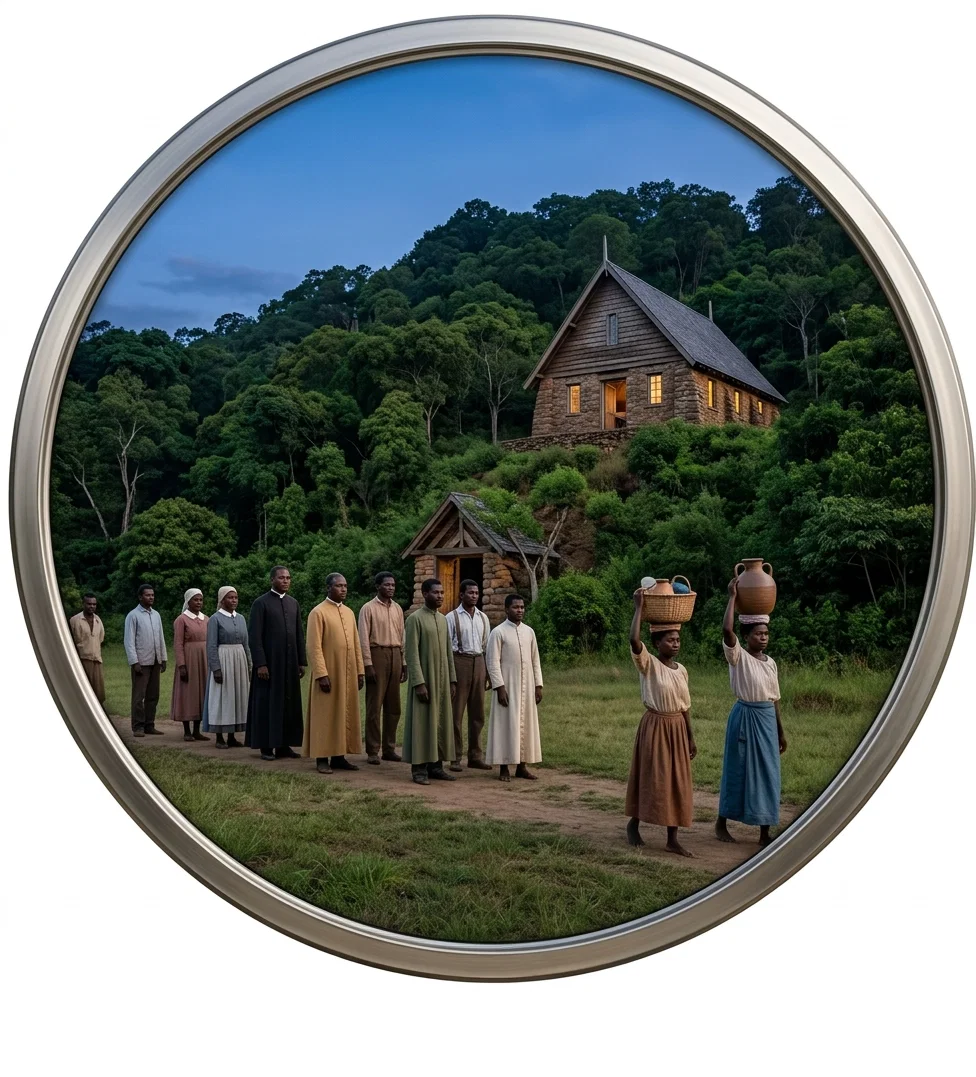
A BAPTISM
“And Spurgeon, the noted Baptist divine, added, “Christ wants no help from Cæsar.”
A CHURCH DEDICATION
In harmony with the teachings of Christ and his followers, Seventh-day Adventists, while believing in civil government and respecting its authority in its proper sphere, hold to the separation of church and state, and are doing all they can to perpetuate the blessings of religious liberty, or the right to worship God according to the dictates of conscience. They maintain that to protect liberty of conscience is the duty of the state, and that this is the limit of its authority in matters of religion. To no earthly power has Christ given the commission to propagate religion by law.
God never forces the will or conscience of any man, but, led by Satan, men will employ the most cruel measures to control the conscience and dictate in religious concerns. And it should be noted that this work of compulsion is often in favor of human creeds and laws, and in defiance of God's holy law.
To-day there is a controversy on in regard to the Sabbath, a conflict between the claims of the rest day ordained by God and that enjoined by man. And the almost universal demand on the part of religious leaders for laws to compel the observance of the latter is an evidence of the wide-spread departure from Protestant and primitive Christianity, and of the need of a genuine reformation and a return to Bible doctrine and gospel simplicity. The appeal to Cæsar is an evidence of apostasy, and unless repented of, must in the end result in persecution to those who choose to obey God rather than men. Against this apostasy and this appeal to Cæsar in matters of religion, every lover of truth and liberty should raise his voice in earnest protest.
W. A. COLCORD,
Secretary of Religious LibertyBureau.
THE DARK CONTINENT
On the Altar of Africa
Africa lay shrouded in night for long centuries. Its millions sat “in darkness and the shadow of death, being bound in affliction and iron,” without a knowledge of God, without a written language. At last the “time of the end” came; then, lo, suddenly the light broke in.
Over three hundred explorers have laid down their lives to open Africa. How many missionaries have sacrificed their lives for Africa can not be told, but seven societies alone have lost nearly two hundred workers.
To a great missionary conference in London there came a message from Africa, flashed thousands of miles under the sea, bearing only the words, “Africa Waiting.” That brief message stirred to action as no multiplied words could have done.
“They are waiting in the wild,
Sick and weary and defiled,
And the Saviour’s healing word
They have never, never heard;
Ever hungry and unfed,
Left without the living Bread—
Waiting! Waiting!”
Africa is waiting, but it will cost sacrifice to really respond. Yet think of the bright story of sacrifice in the opening of Africa,—of Livingstone, dying upon his knees at Ilala, praying for the land that he loved; of Hannington, laying down his life at the assassin’s feet, in order that the way into Uganda might be opened; of Wilmott Brooke, dying at the gates of Hausaland, the only missionary among thirty millions, and crying out, “The people are too many for me.”
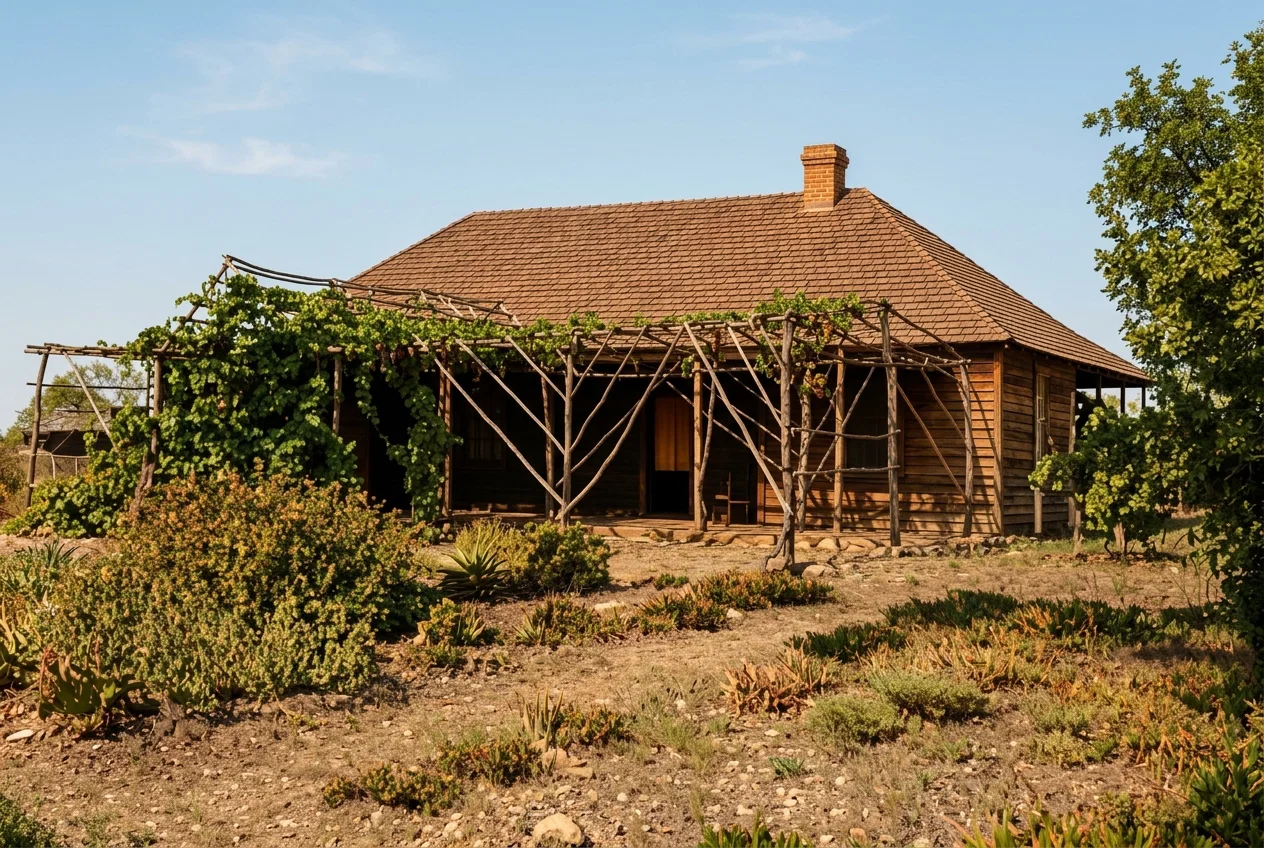
A CHAPEL
And we think also of our own missionaries who have loved not their lives unto the death in our short campaign for Africa. As the young people of our first Matabele station see the little cemetery at Solusi, they say, “These white missionaries must have loved the African, for they gave their lives to bring us the light.” And there are still other graves in our Africa.
MISSIONARY'S HOME AT OUR MAIN BAROTSELAND STATION
We are called upon to give money to finish God’s work for Africa as for all the world; but some must give far more precious gifts than gold and silver. When the cable brought word of the death of Elder F. L. Mead, of Matabeleland, the message was sent to the aged mother that her only son had laid down his life for Africa. By divine grace she was able to return answer from the old New Hampshire home:—
“My heart aches for the dear ones left there, and for the work he loved so much. But God is my refuge and strength, a very present help in trouble, and he cheers and comforts me with the precious promises of his Word. I felt it when they went away; but they felt it duty to go, and I would not hold them. I laid my sacrifice on the altar of Africa then, and I have never taken it back, and I hope I never shall. ‘The Lord liveth; and blessed be my Rock.’ I know he can give beauty for ashes, and the oil of joy for mourning; for he has done it for me, and he can do it again in his own time and way.”
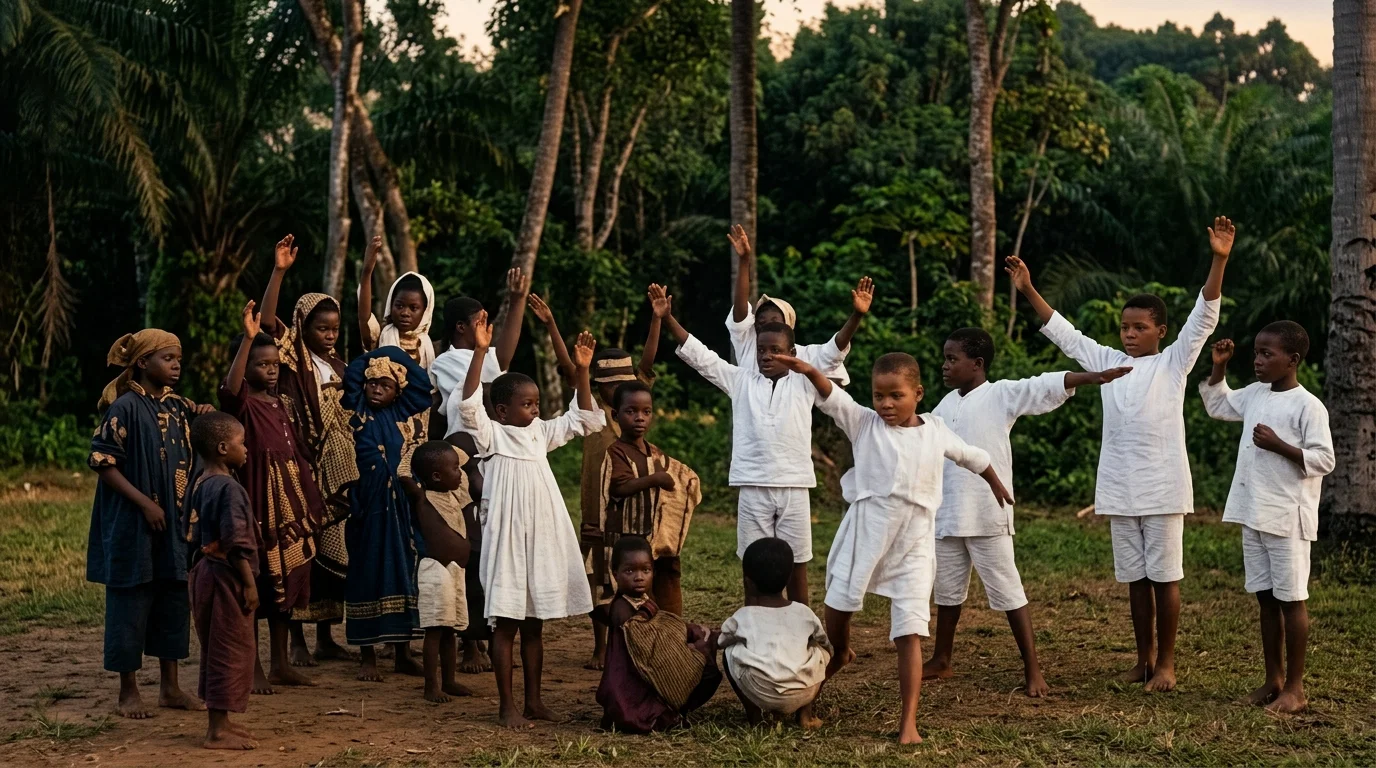
GYMNASTIC EXERCISES FOR YOUNG AFRICANS
In that spirit the work will soon be done. In our mission training-schools young Africans, redeemed from heathenism, are praying God to help them “to learn quick,” so that they may go out among the tribes and tongues with this message of Christ’s soon coming.
A young African in one of our schools addresses this appeal in broken English to our churches in more favored lands:—
“Did you read your Bibles in Daniel and Revelation? Do you see Jesus coming in these two books? Why not leave your homes and go out telling Jesus is coming soon? O, my people, my people! they shall perish in their sin if you do not leave your home. My heart is sick because I have not seen people going over Africa to tell people Jesus coming soon.”
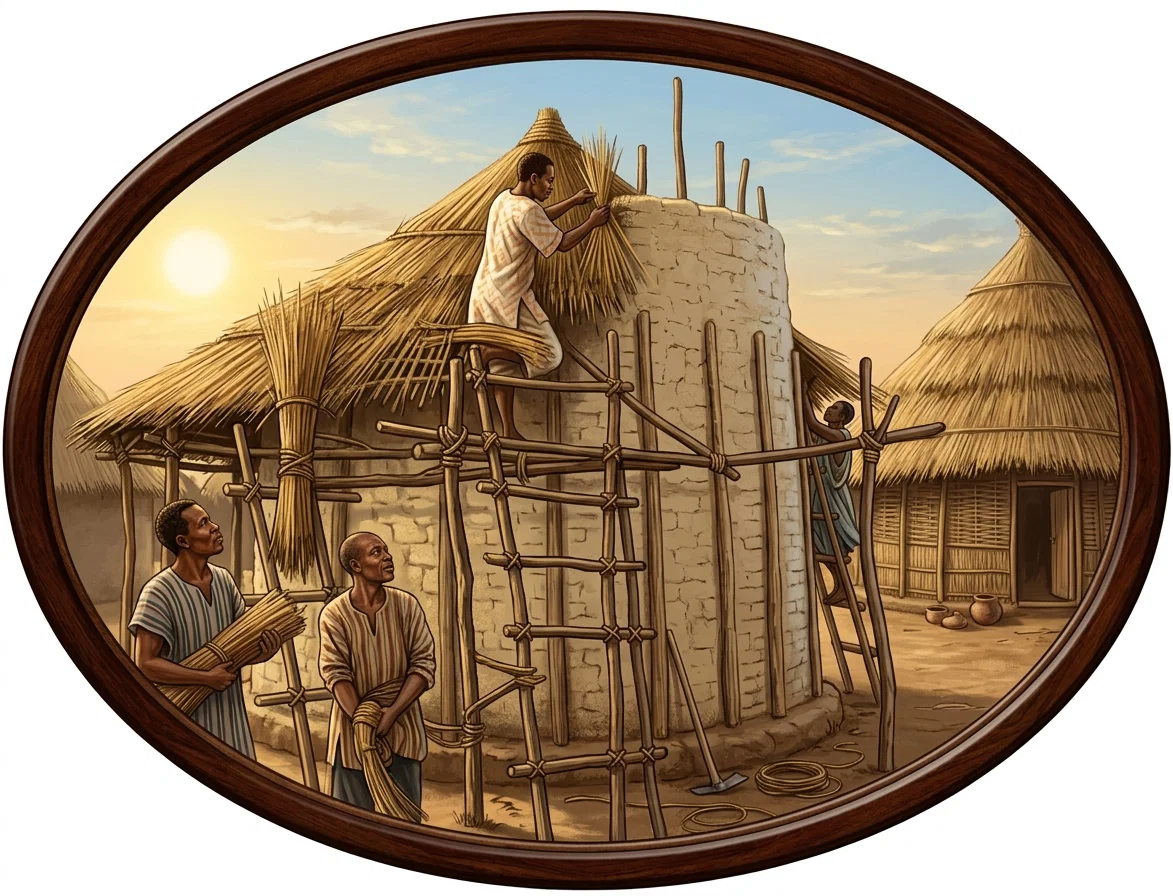
NATIVES BUILDING A HOME
Africa’s hundred eighty millions are waiting for the advent message which John, in vision, saw flying in these last days to “every nation, and kindred, and tongue, and people.” Who will go? Who will give? Who will pray?
What the Cause Demands
“WITH the majority there is no calculation of what the cause demands, and what their own ability justifies.”
Our African Stations
THE book, “Daybreak in the Dark Continent,” bears this testimony:—
“The educational mission, notwithstanding the opposition of many traders, soldiers, and government officials, is vindicated by its fruits.”
Most of our own missions in Africa are educational, with the industrial idea well in the forefront; and our experience is that government officials are very much in favor of this method of work.
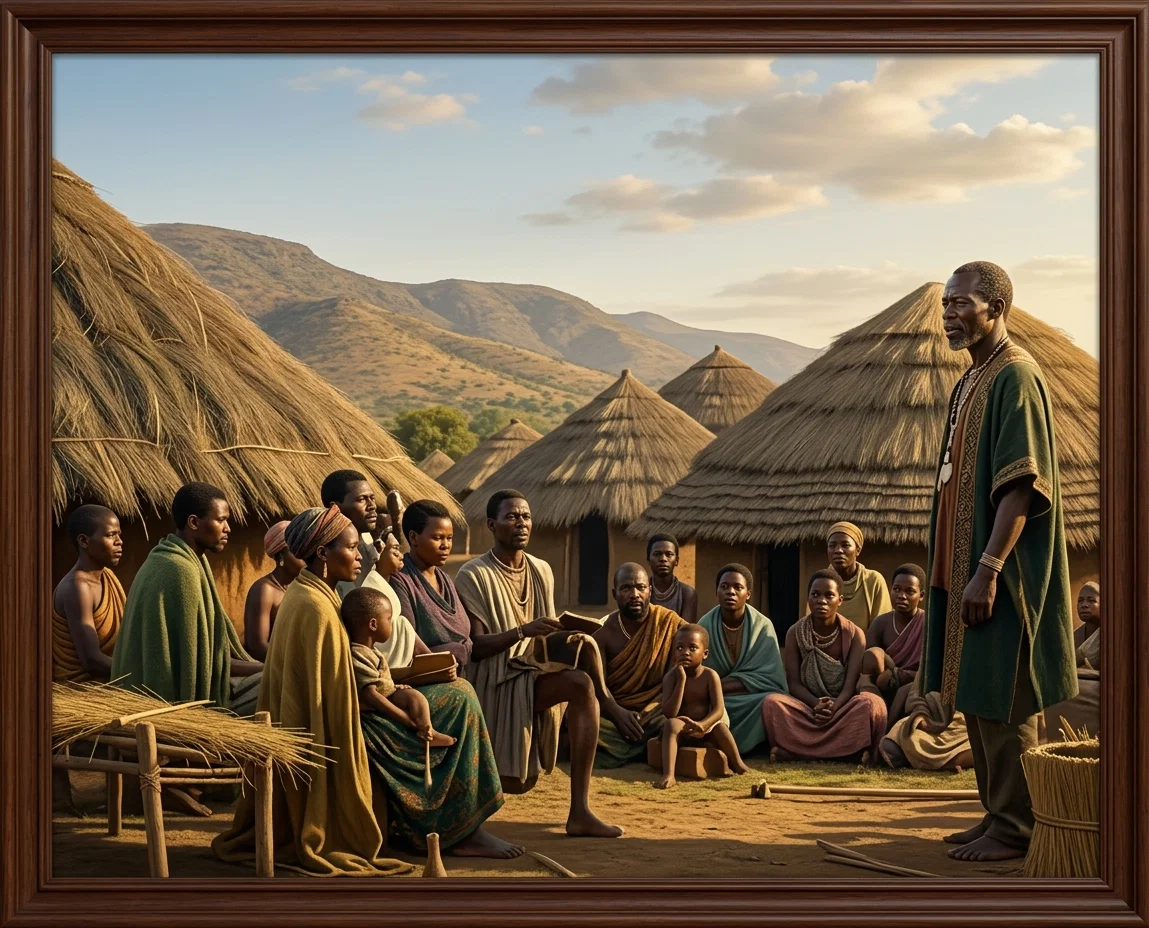
AN AFRICAN TEACHING AFRICANS
The following stations are under the direction of our South African Union Conference: Two main training stations in Matabeleland, with several out-stations; one station and two out-stations in Barotseland, north of the Zambezi; one station in Basutoland; a Kafir mission in the eastern province of Cape Colony, near Grahamstown; and the two stations in Nyassaland, south of Blantyre.
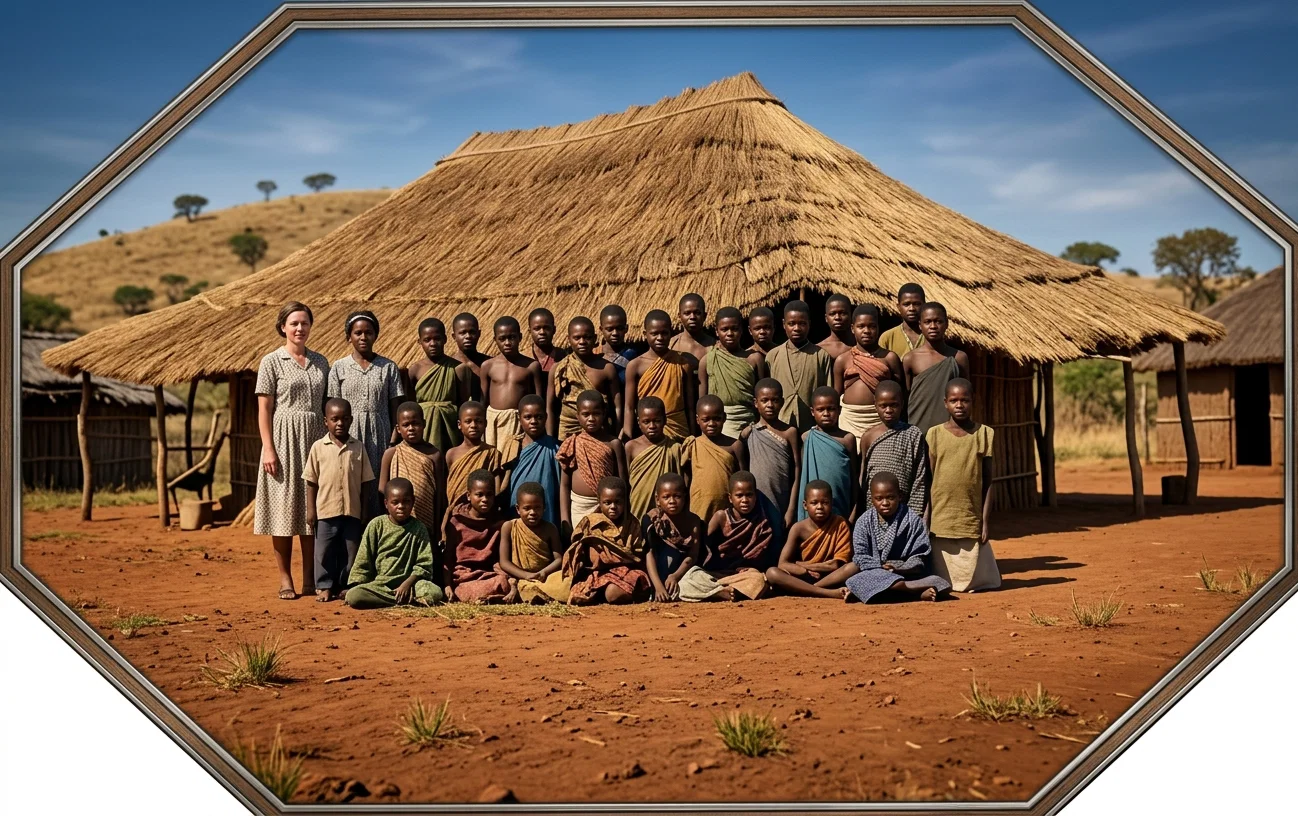
A BAROTSELAND SCHOOL
The German Union Conference has established three stations in German East Africa. Our British Union Conference has established a station on Lake Victoria Nyanza, British East Africa. The Scandinavian Union Conference has a mission in the Italian colony of Eritrea, Abyssinia.