The gospel of God’s saving grace pertains to the health of the body as well as to the regeneration of the soul. Jesus was the world’s model preacher. Of him it is recorded that he “went about doing good, and healing all that were oppressed of the devil.” From this it is plain that the work of the church must have reference to physical health as well as to moral character. Believing this, Seventh-day Adventists have given much attention to securing and maintaining good health, involving the questions of eating, drinking, rest, exercise, clothing, and the use of natural and rational remedies for the healing of disease. This has led to the development of a system of health work which has extended to all parts of the world.
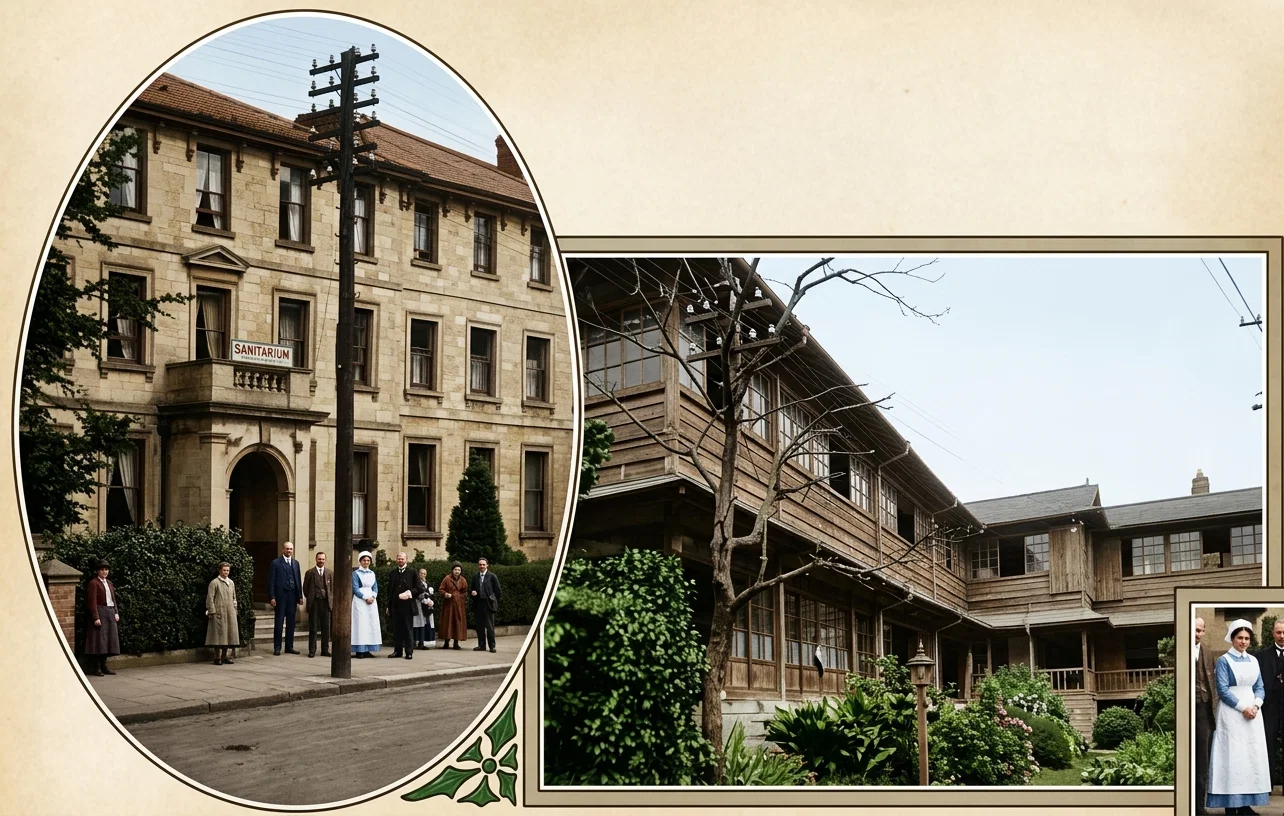
A GROUP OF SANITARIUMS
ROSTREVOR, IRELAND
WAHROONGA, NEW SOUTH WALES
PORTLAND, OREGON
FRIEDENSAU, GERMANY
BOULDER, COLORADO
While the essential principles upon which this system is based were discerned and advocated by the pioneers in this denomination, it was not until 1866 that an institution was established for demonstrating fully their efficiency in the healing of the sick. This institution was located at Battle Creek, Mich., and was given the name Health Reform Institute. At first it was small, and was provided with only meager facilities. But the principles proved effective, and excellent success attended the effort. Calls came from other places for the establishment of similar health institutions. In the far West, among the vine-clad hills of St. Helena, Cal., the Rural Health Retreat was opened in 1879. Other institutions followed in more rapid succession, so that in 1897 there were six in the United States, and six in other lands. In 1900 the number had increased to seventeen in the United States, and thirteen in other countries. These institutions are now all known as medical sanitariums. Besides these larger institutions, there are many smaller ones, designated as treatment-rooms, but doing the same kind of work. These treatment-rooms are located in the business parts of cities, while the sanitariums are usually situated in attractive rural places easily accessible to the city. Connected with these various enterprises are more than one hundred physicians and over fifteen hundred nurses and helpers.
In addition to these medical institutions, hygienic dining-rooms are being operated in many cities, the primary object of which is to awaken an interest in the subject of health by providing a dietary free from stimulants, condiments, and all other injurious articles and combinations served in the ordinary restaurant.
Besides these organized agencies there are many isolated workers who are deeply interested in this medical missionary work, and who are constantly endeavoring to make the light they have a blessing to those around them. In short, the entire denomination stands for temperance in all things. The use of intoxicating liquors or tobacco constitutes a sufficient cause for church discipline.17Nearly all discard tea, coffee, and all stimulants and narcotics, and a very large proportion use little or no flesh foods.
The official reports for 1907 show that there are forty-seven sanitariums, denominational and private, in America, distributed as follows: California leads with eight; New York has five; Massachusetts, Colorado, and Washington each has three; Illinois, Minnesota, Ohio, and Tennessee each has two; and Arizona, Canada, Idaho, South Dakota, Texas, Arkansas, Georgia, Iowa, Kansas, Wisconsin, Nebraska, Pennsylvania, Quebec, Oregon, Indiana, Maryland, and the District of Columbia each has one.
In other countries there are seventeen sanitariums owned and operated by the denomination. Of these Australia leads with three; South Africa, England, and Denmark each has two; and Scotland, Germany, Norway, Japan, Switzerland, Ireland, New Zealand, and India each has one.
CATERHAM, ENGLAND KOBE, JAPAN
A remarkable feature of the advancement of the medical missionary cause is the rapid increase in the circulation of health periodicals, of which the principal ones published by the denomination are Life and Health, English Good Health, and Australasian Good Health.
The highest purpose of the medical missionary work we are doing is to bring people to the Lamb of God, that taketh away the sin of the world. Every true medical missionary among us has this as the primary and ultimate object of his efforts. There is an increasing desire among these workers to make the medical work what it should be indeed—the right arm of the gospel message for this time.
WASHINGTON, D. C. ST. HELENA, CAL. NASHVILLE, TENN.
The work of healing the sick, and restoring the image of God in the soul being a part of the everlasting gospel, the close of which we are now witnessing, it follows that every person who is looking for the return of the Master should, by precept and example, preach the entire gospel. When this becomes true, the message will have more power, and we shall soon see its consummation.
W. A. Ruble, M. D.,
Secretary Medical Department.
The Place of Health Institutions in Gospel Work
By Daniel H. Kress
THE commission to the Christian church is, “Go ye into all the world, and preach the gospel to every creature.” Since the work and burden of the church should be to evangelize the world, why, we may ask, invest so much means in building up health institutions? An answer to this question is given in the familiar words of Scripture: “I wish above all things, that thou mayest prosper and be in health.”
The Creator is interested in man's physical well-being. He desires that men and women should enjoy health. To express this wish, Christ spent a great share of his time in healing bodily infirmities; and the church of Christ to be true to her calling, can not do otherwise than show an interest in the sick and afflicted. Institutions should be provided by the church of Christ where the sick can be placed under the care of skilled Christian physicians, and where they may be tenderly nursed back to health by Christian nurses, at the same time receiving instruction pertaining to the causes of disease. This is a work that can not be done in worldly institutions.
Diseases which were at one time considered incurable we now find readily disappear by merely supplying the patient with an abundant supply of one of God's choicest gifts—pure air. It has taken us a long time to learn that man must obtain the air he breathes at first-hand, not at second-hand.
Healthful diet is next in importance to pure air. Nature designs that man should get his food, as well as the air he breathes, at first-hand, and not at second-hand. God placed man at the beginning in a garden, and surrounded him with trees pleasant to the sight and good for food. The simple products of the earth were given him. Second-hand food in the form of animal flesh, even at its best, is filled with waste products, if not with the actual products of disease, and is, therefore, not the best suited for imparting health.
Aside from pure air and proper diet, health depends upon perfect circulation of the fluid which conveys the properties from the air and the food to the tissues.
The rational method of treating disease consists in utilizing nature's remedies, and assisting the human organism in getting rid of disease-producing products. Massage and electricity are of value chiefly because they encourage tissue changes, and aid in the elimination of impurities.
Water, as a therapeutic agency, has been employed for ages. The ancient Hebrews, Egyptians, Greeks, Persians, and Romans all recognized its great value for use in both health and disease.
GLAND, SUISSE
The aim of the gospel is to save from sin, or to bring men into harmony with, and obedience to, God's laws. The sanitarium idea is, therefore, in perfect harmony with the gospel commission, and with our Lord's purpose in establishing his church. The medical missionary work was established by our Lord himself; and the sanitarium that carries out the true sanitarium idea is following the example and the admonition of Him whose we are, and whom we serve. D. H. KRESS, M. D.
Our Work in South America
ABOUT three thousand Seventh-day Adventist believers in South America are working loyally to spread the light of the advent message through those Catholic republics. The general outline of the work is as follows:—
Argentina is a conference, with its office headquarters and a publishing house in Buenos Aires, and a training-school and sanitarium in the province of Entre Rios, up the Paraná River.
Uruguay and Paraguay are growing mission fields.
Bolivia is a mission field, newly entered.
Chile is an organized conference, with a printing-office and a training-school.
Peru and Ecuador are also promising mission fields.
Brazil is organized as two conferences and two mission fields, having two training-schools and a publishing house, the latter in a suburb of the growing city of Sao Paulo.
All these fields are grouped together in the South American Union Conference organization, the union headquarters being in the city of Buenos Aires.
Notwithstanding the blighting influence of centuries of Catholicism and priestly rule, our missionaries find, wherever they go, many earnest hearts open to investigate Protestant truth, and some even longing to know the way of salvation through the faith of Jesus. Again and again we have heard Catholic lips asking us to come among them and teach them the truth of God. The crying need is more workers, and still more workers.
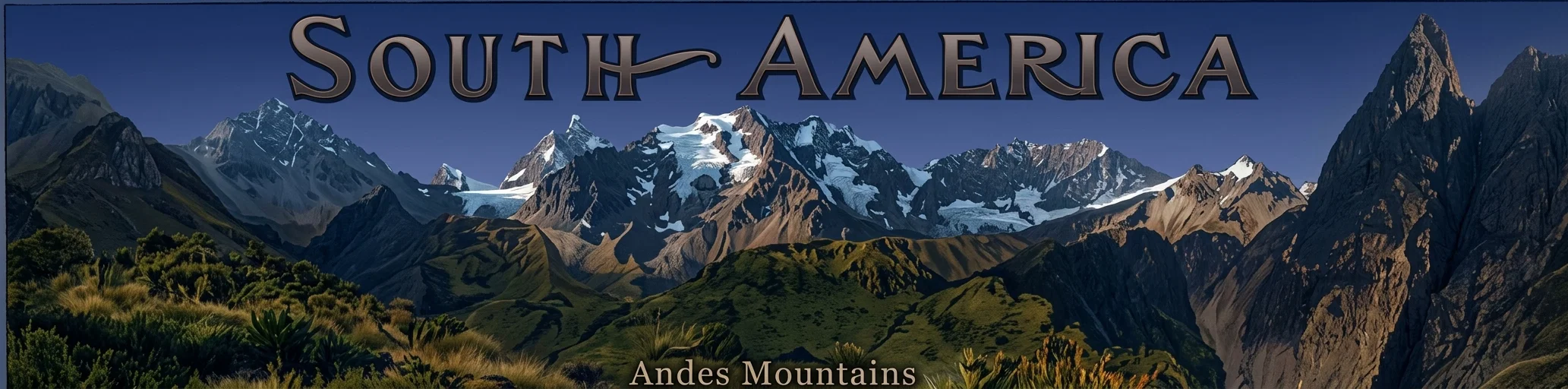
Andes Mountains
The Neglected Continent
COUNTRY SCENE NEAR GUAYAQUIL, ECUADOR
So South America is called in our missionary literature. The current of missionary interest has seemed to run toward the Orient; and, until recent years, little has been done for our sister continent to the south.
Almost unnoticed by the general public in North America, great changes have been taking place in South America. Who, for instance, stops to think that of the five large cities of the western hemisphere, two are in South America? The order by population is as follows: New York, Chicago, Philadelphia, Buenos Aires, Rio de Janeiro.
Buenos Aires, the capital of Argentina, is a city claiming a population numbering nearly a million and a quarter. The city has every modern improvement, its avenues and boulevards reminding one of Paris. Considering that the whole state of Argentina has less than five million population, it can be seen that the country itself must be rich in resources in order to maintain such an entry port as Buenos Aires.
Rio de Janeiro, the metropolis of Brazil, has passed the million mark in population. Brazil itself has an area about the same as the United States, with a population of twenty-two million. A thousand miles up the River Amazon is the city of Manaos, with electric lights, miles of electric railway, and a thriving trade.
Every shipping line running from Europe to South America carries a large list of emigrants seeking homes in Brazil, in the valley of the River Plate, and in Chile. South America is developing rapidly; and now is the time to carry the light of the gospel through these lands where multitudes are shaking off the shackles of Romanism.
A Medical Missionary’s Letter
By R. H. Habenicht
I WISH our dear people in the States could see the crying need of this country for medical missionary work. Where nearly every State has its sanitarium in which the people can be well cared for, they forget that there are places where thousands are suffering for lack of proper facilities to carry on this work. In these parts one may go from station to station, from country to country, and find thousands of people, and not a competent doctor or nurse; and many who have money to pay for care and treatment are dying for lack of them.
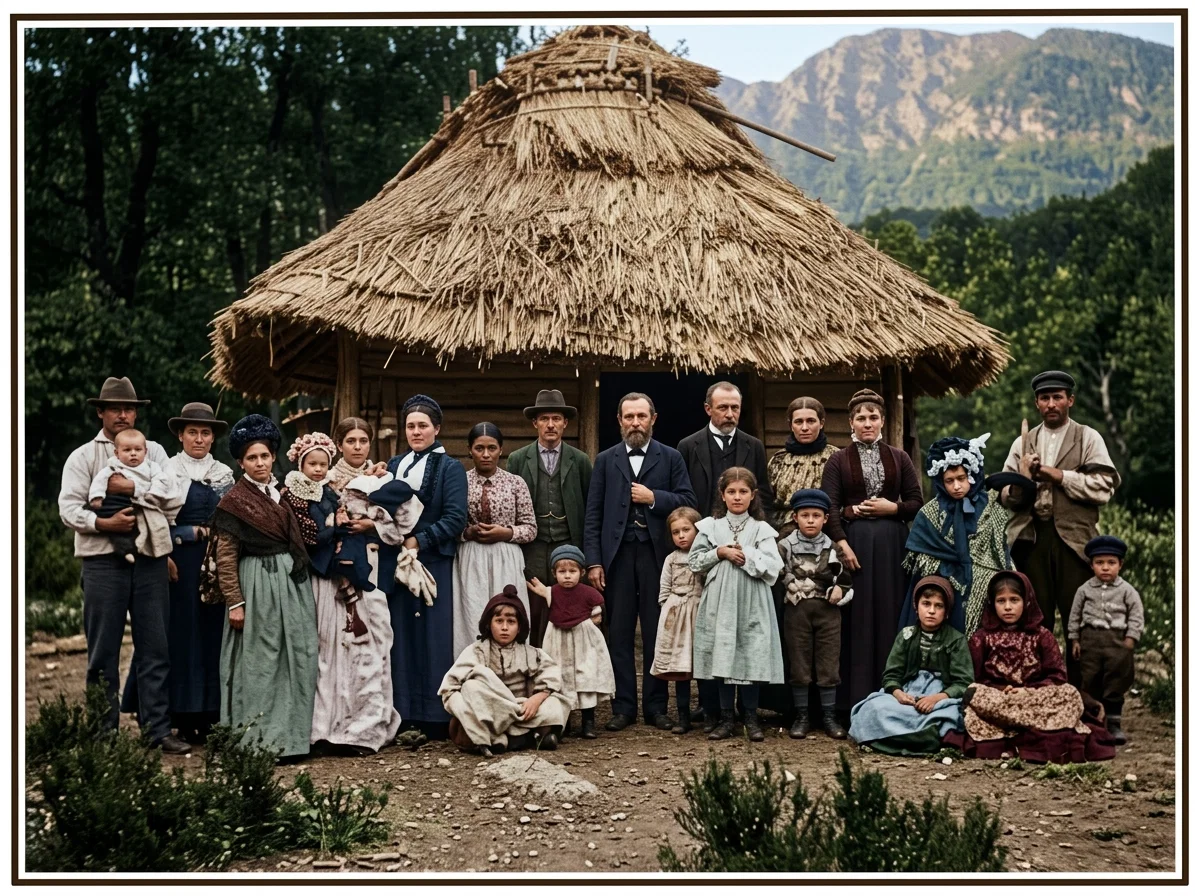
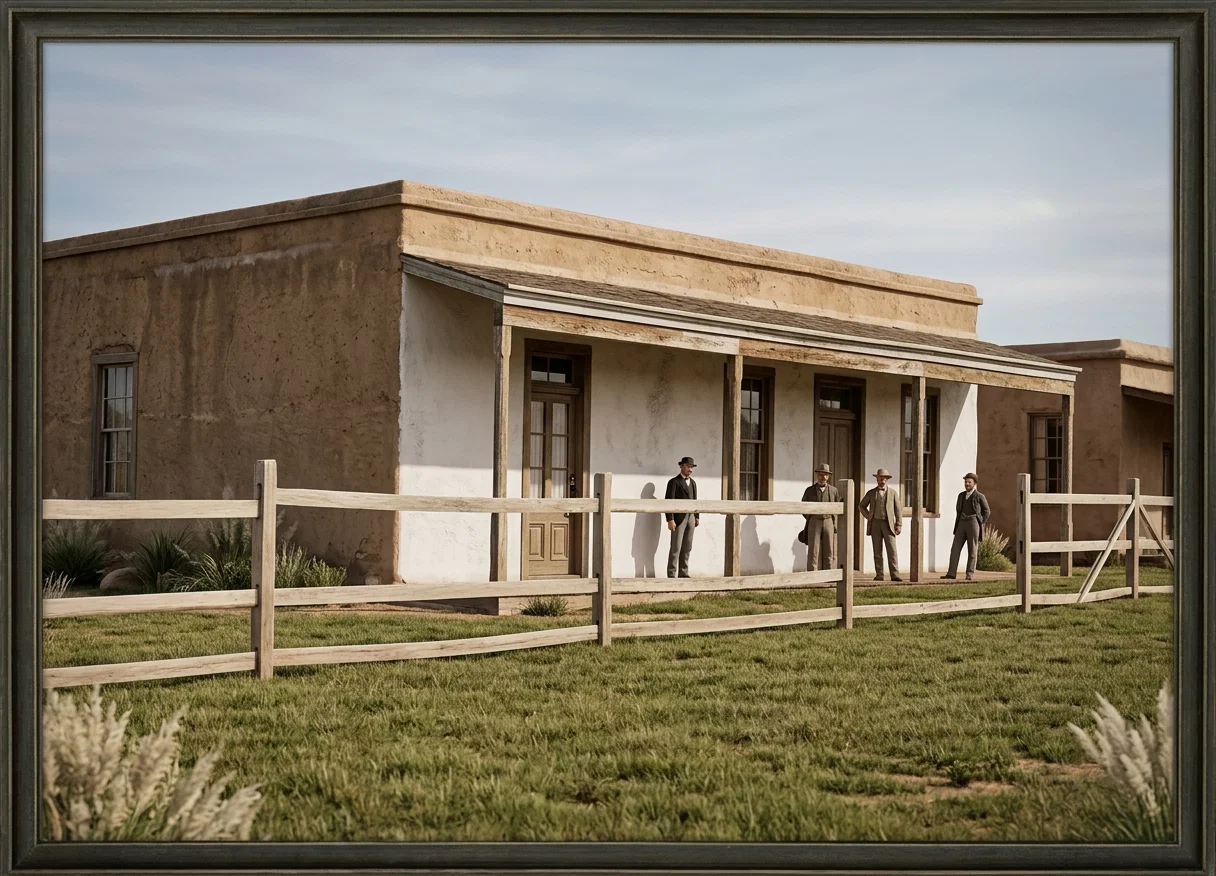
A COLONIST'S HOME
I have visited several of the hospitals in the larger cities, and it makes my heart ache to see the misery in these places, and the wretched care the poor people receive. I will tell you briefly of a case that came under my personal observation, as an example. A man suffering with stone in the bladder came to me for treatment. As I had no place to perform the necessary operation, I sent him to the German hospital in Buenos Aires. When he was examined, the physician said to an attendant: “Take this poor devil out, and put him in the ward, and let him die.” Another man in the hospital, who had money, heard of it, and told the doctor to perform an operation if necessary, at his expense. The operation was speedily performed; but instead19of giving the man proper care, they sent him home before the wound was healed. He came to me before he went away, and we cared for him until it was safe for him to travel.
CHILEAN CHURCH-MEMBERS
In the States I have treated such a case in a few days, and could do so here if we had room and the needed outfit. We are so crowded here, and have so little room, that it is impossible to have a surgical ward in proper shape. What would our sanitarium doctors think of making an abdominal operation in the dining-room of a private house? This is an occurrence not at all rare in our home; but imagine the work of cleaning and washing walls, disinfecting, etc., that it makes; and even with these precautions, there is danger. But under the circumstances it is the best we can do, and the Lord gives us success. But in addition to this work, we must look after the outside practise, be nurse, and give treatments. I often ride sixty miles in a wagon in one day, and many nights my only sleep is what I get by throwing myself down on some straw in the wagon-box while we go bumping over the ruts and ditches of these South American country roads. Not long since, there were sixteen days and nights that I was every day and every night on the road, and sometimes the whole night. So you see we are not having much time to play. Although the work is often hard, and days and nights are long, still comes the blessed thought that some, as in the case of the one leper healed among the ten, return to give God glory.
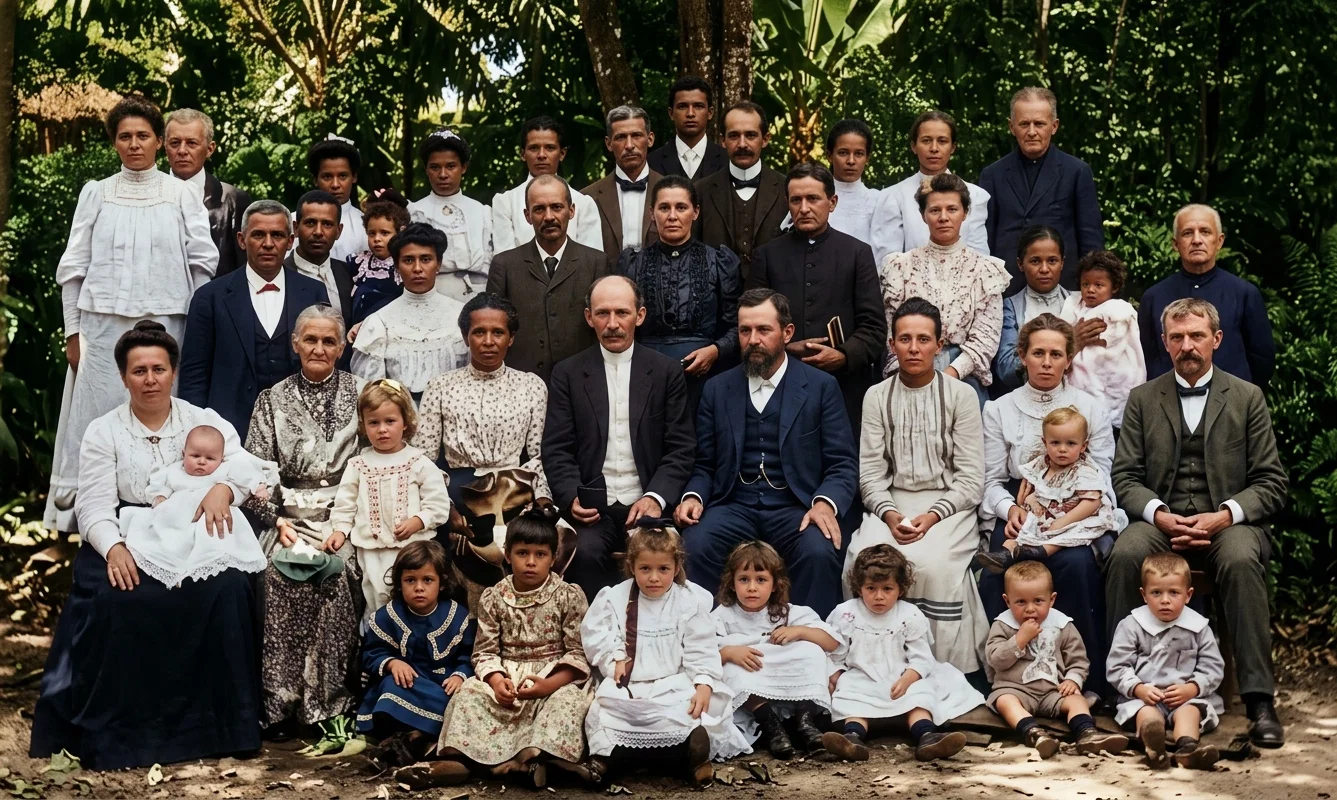
A COMPANY IN BRAZIL WHO HAVE ACCEPTED THE ADVENT MESSAGE
Now we have determined to make our work more representative, and to do so we have planned to build a small sanitarium, and equip it as best we can, considering our limited means. Some are taking hold and helping nobly; but we are few, the work is large for us, and we do not yet know how it will turn out. One thing we know: the Lord is in the work, and he has the means somewhere among his people; and if they only know of the need, they will supply the necessary funds. Many eyes are upon us. Within the last few days three different Catholic priests have told me that they are watching our work in these lines, and that they are recommending their people to us. One leading Catholic man, who has a son just entering the priesthood, said to me: “I do not see why it is that the Sabatistas [Sabbath-keepers] have to do the work that we ought to do.” He then gave me fifty dollars for the new sanitarium enterprise. With such demands as we have for work, and with such opportunities to get the truth before classes we can reach in no other way, it seems to me that we shall be grossly negligent if we do not provide a place for the better carrying forward of this work.
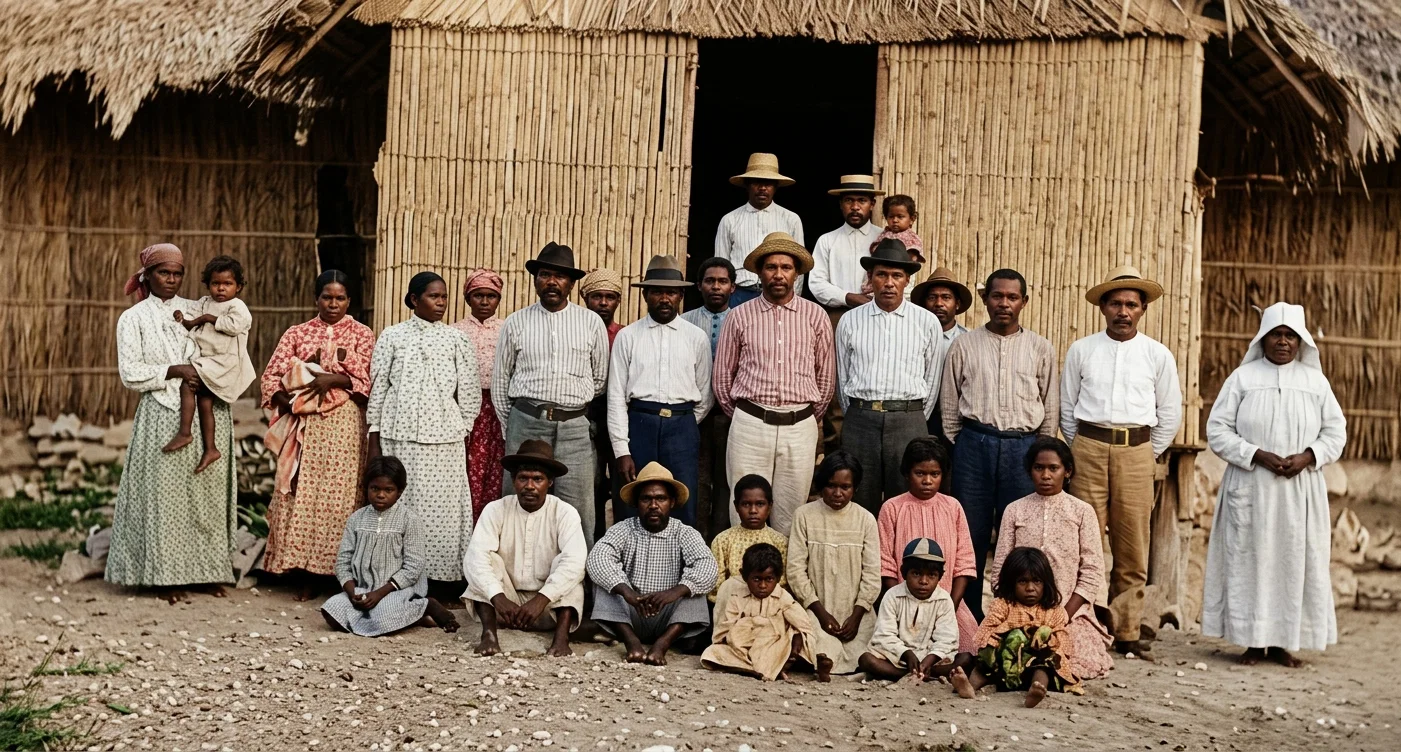
GROUP OF ABORIGINAL INDIANS
As to our special needs I might say much. We need everything that goes to make a sanitarium. We must have seven or eight thousand dollars to put up the building. The building must be furnished, each room needing for simple necessities about fifty dollars. The medical office and bath-room will need perhaps six hundred dollars. Rugs for the patients’ rooms are a luxury we can hardly expect here, yet our brethren know their homes all have them. Silverware for the dining-room could be purchased more cheaply in America, as here such things are high. A good static electric machine would be a boon of highest worth to the work. This must doubtless come from the States. It should be a good machine of the new type, with X-ray tube and fluoroscope.
We might say much more about our needs, but this is not perhaps necessary. You will doubtless see from what I say that the work here is growing; and with a little help to start it, I am confident that it will be self-supporting.
I have worked hard to help this work along, but it is my greatest joy to do so. And so we labor on with good cheer. Pray that our strength fail not, and that God may go before us in the work.