The Word of God

8%

Pacific Press Publishing Company · Oakland, California · Sep 17, 1896

FromSigns of the Times, Vol. 22, No. 37.

Read the full edition

The Word of God

Pre-eminently Christ Jesus is the Word of God, the Eternal Logos, of whom it is said: “In the beginning was the Word, and the Word was with God, and the Word was God. The same was in the beginning with God.” (John 1:1, 2.) He is called the Word because through him all the word of God was spoken to men. Angelic messenger and prophet spoke by his Spirit. “Without him was not anything made that was made.”

“The Word Was Made Flesh.”

So writes, by the Spirit of God, the beloved apostle. God prepared that Eternal Logos a body (Heb. 10:5), and the Logos became the Man, Jesus of Nazareth, a brother to every other man, and yet the Word of God. He was God incarnate, which means God made flesh. He was righteousness incarnate, or righteousness supremely dominant in the flesh over all fleshly lusts, infirmities, and passions. He won and held eternal victory in the flesh, and so exalted humanity to the very throne of God.

“He Hath No Form Nor Comeliness.”

Such are the words of the prophet concerning the Word while he sojourned here upon the earth. He continues: “And when we shall see him, there is no beauty that we should desire him.” (Isa. 53:2.) And yet, tho blind unbelief could see no beauty or comeliness or anything else to be desired, he was still the Word of God, the Eternal Logos. Some saw in him simply a carpenter of Nazareth. Others, an agitator, a stirrer-up of the people. Still others saw in him a wise teacher, a prophet of God; while others still, with hearts open Godward, with eyes heavenly anointed, saw in him the Christ, the Son of the living God, the power of God and the wisdom of God. He was all these, whether in sorrowful prayer or transfigured on the mountain top; for is he not “the same yesterday, and to-day, and forever”?

The Word of God

The Divine Word, the Eternal Logos, is not here personally present now. But he has left us his representative in his holy word. As the Second Adam was and is a “quickening Spirit” (1 Cor. 15:45), a Spiritual Being in whom is life, so also the words which he speaks or his Spirit inspires are spirit and life (John 6:63). It was by the Eternal Spirit of God that he wrought his miracles (Matt. 12:28); and it is by the same Spirit that God sung through David the Psalms of such varied human experiences and divine help (2 Sam. 23:2); that spake through the prophets their wondrous messages (1 Peter 1:11; 2 Peter 1:21); that breathed through the apostles the Epistles and Gospels (1 Cor. 2:10, 13). It is the Eternal Word or his Spirit that has given us the Scriptures, and they are therefore the word of God to men.

“The Mystery of Incarnation.”

Such was Jesus Christ to the world. Such is the written word of God to the world. As unbelief saw in Christ only the mere man, so unbelief sees in the written word, in the Bible, only a mere book. But as the child of simple faith saw in Jesus of Nazareth the Christ of the living God, the Saviour of the world, so the child of faith sees in the Bible the word and power of God, the book of light and life. The mystery of the incarnation is manifest alike in the Eternal Logos and in the written word. As the Eternal Logos became incarnate,—embodied in flesh,—so the word which his Spirit breathed through the holy men who wrote became inbreathed, inbooked, or embodied in a book. As among children he was the “Holy Child,” so among writings the word of God is the “Holy Writings.” If the Logos had been revealed in the fulness of his glory, faith would have been compelled or sinful man would have perished in the unearthly splendor. So with the written word. Both came to us vailed in the fashion of man, that man might gaze thereon unterrified, and embrace them, not through fear, but love.

The Ground of Our Faith

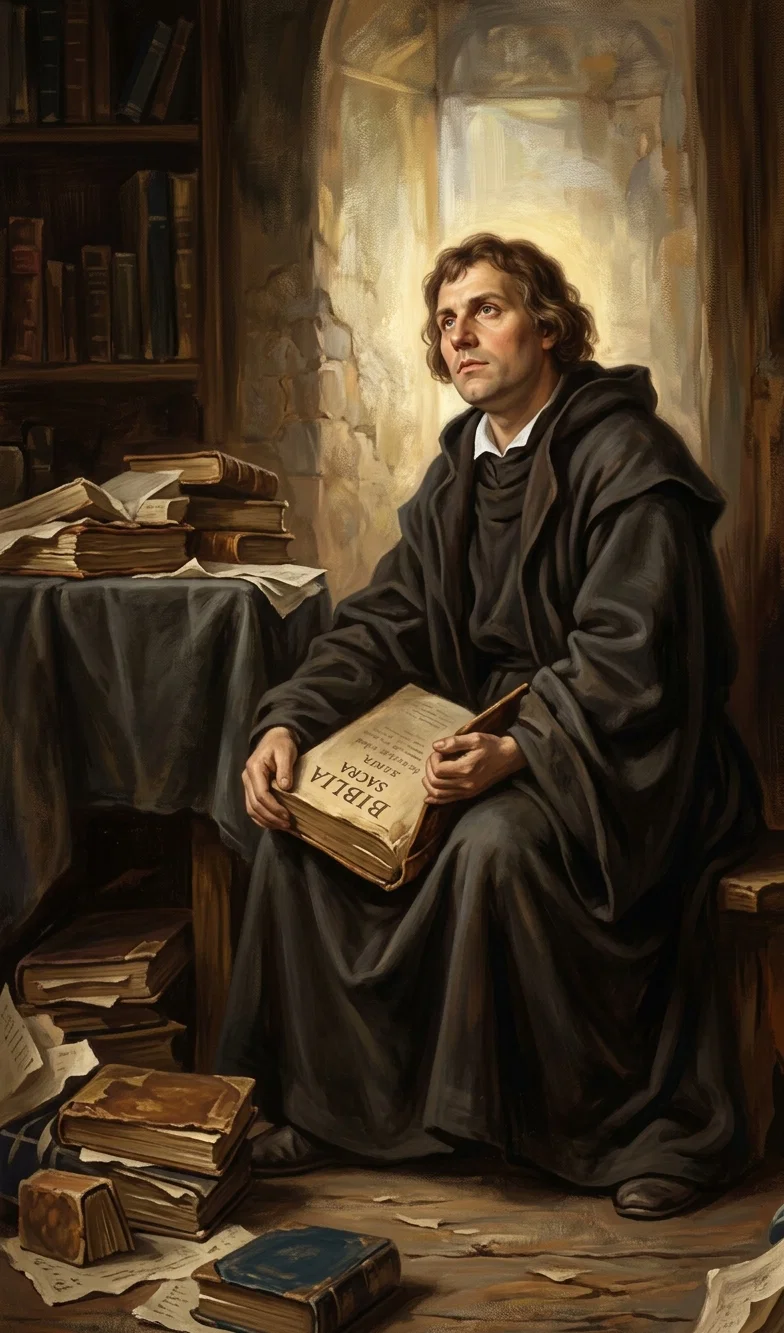
Knowing this living word, was the basis of John’s message to the church. “That which was from the beginning, which we have heard, which we have seen with our eyes, which we have looked upon, and our hands have handled, of the Word of life.” (1 John 1:1.) John knew the Word. With ears, eyes, hands, he knew it. In life and power he experienced it. Where other men saw only a mere man, John saw the Eternal Word. So we may say of God’s word now. True, we may not have looked upon the person of our Lord Jesus Christ; but we have seen his word. It lies before us. We have heard it read. It has entered into our ears. We see it with our eyes. We look upon it; our hands have handled it. While others see it to be a mere book of paper, leaves, printers’ ink, words, our eyes, praise God, read in it the sweet old story, ever new, of God’s wondrous love. Faith sees in it the righteousness and power of Christ Jesus. It experiences its blessings and life. Many of the monks in the convent at Erfurt saw in the Bible a theological treatise at the best, but Martin Luther saw it and learned to know it as the word and power of God. But this is not all. That word enables us to see God’s word written elsewhere. We see the same message of love written on sea and earth, unobliterated by sin; on mountain and plain and tree and flower, on cloud and sky. We hear, we look upon, our eyes see, our hands handle, often unthinkingly, the precious word of life. But more precious thanall, we see that word written in redeemed and regenerated humanity, in souls born into the kingdom of God, in men and women set free from sin, growing up into Christ. We see and know it in ourselves that it is the wisdom and power of our blessed Lord. And because of all this, reader, we tell the glad message to you. You may see that word, know that word, and find eternal life, peace, and joy in believing that word. Will you not do it?