SIN'S ONLY REMEDY

5%

Pacific Press Publishing Company · Mountain View, California · Dec 7, 1904

FromSigns of the Times, Vol. 30, No. 48.

Read the full edition
SIN'S ONLY REMEDY
BY G. B. THOMPSON
"AND the Lord God of their fathers sent to them by His messengers, rising up betimes, and sending; because He had compassion on His people, and on His dwelling-place; but they mocked the messengers of God, and despised His words, and misused His prophets, until the wrath of the Lord arose against His people, till there was no remedy. Therefore He brought upon them the king of the Chaldees, who slew their young men with the sword in the house of their sanctuary, and had no compassion upon young man or maiden, old man, or him that stooped for age; He gave them all into his hand. And all the vessels of the house of God, great and small, and the treasure of the house of the Lord, and the treasures of the king, and of his princes; all these he brought to Babylon. And they burnt the house of God, and brake down the wall of Jerusalem, and burnt all the palaces thereof with fire, and destroyed all the goodly vessels thereof." 2 Chron. 36:15-19.
God's own testimony against sin, and His only remedy against this wild disorder is here set forth. The Lord used every means within His reach to turn His people from their rebellious course. He sent messages of warning to them continually. Early and late His pleading voice was heard entreating them. He did all a compassionate God could do to avert the certain and irretrievable ruin which sin brings when it is finished. But, instead of receiving His healing messages, they mocked His messengers, slew His prophets, despised His words. Their lawless course continued "till there was no remedy." The remedy, the Gospel, was urged upon them by its Author, the Son of God. "In all their affliction He was afflicted, and the angel of His presence saved them; in His love and in His pity He redeemed them; and He bare them, and carried them all the days of old." Isa. 63:9. But when they struck from the hand of Infinite Love the cup of proffered salvation, and despised its Author, then there was no remedy. The Gospel is sin's only remedy. When this is rejected, ruin, swift and certain, must inevitably follow.

In the Days of Noah,

wicked as the world then was, there was a remedy. God sent, through His servant Noah, a healing message. It would have saved the antediluvian world. For over a century Noah pleaded with them to repent of all their sins, accept pardon, and come into the ark. But they heeded it not. "For as in the days that were before the Flood they were eating and drinking, marrying and giving in marriage, until the day that Noah entered into the ark, and knew not until the Flood came, and took them all away; so shall also the coming of the Son of Man be." Matt. 24:38, 39. From the redouts of the enemy they hurled back words of defiance, till there was no remedy. Having rejected the special Gospel message sent unto them, God could do no more, and leave to man the freedom of choice. Having rejected the only remedy Heaven had to give, and chosen ruin instead, it came quick and terrible. The bulwarks of sin were speedily overthrown.
Through all the dark history of sin, it has ever been the same. God does not change; neither does He fail or become discouraged. To Sodom, so wicked that she remains a synonym for sin to this day, He offered a remedy. He sent a message of warning. But they mocked the messenger, and ridiculed His message. Genesis 19; Luke 17:28, 29. They preferred the repose of carnal security, and thus chose destruction. It came, and the Dead Sea marks on the map of the world the valley where once stood this proud and wicked city.

At the First Coming of Christ.

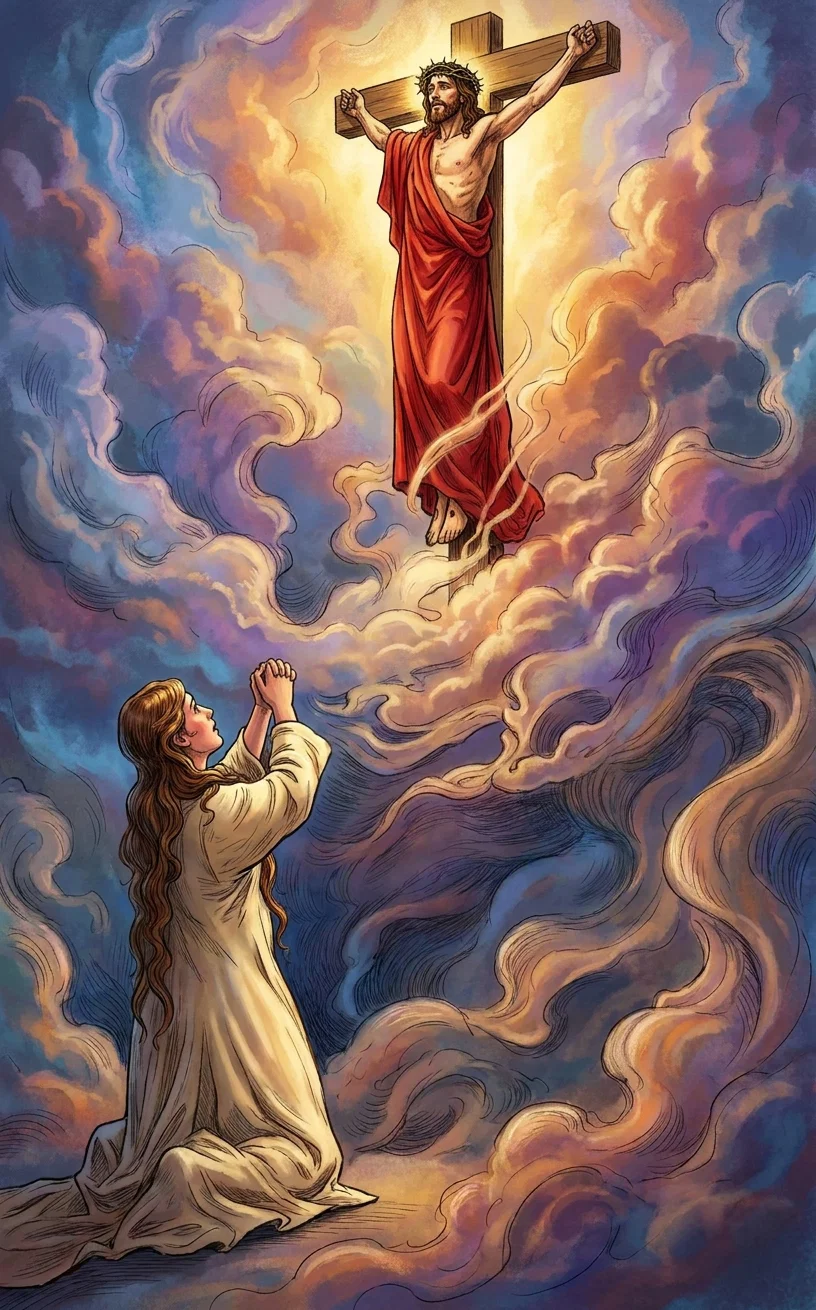
At His first advent again this healing remedy for sin was offered to the people. The period was a dark one. Sin had become a science. The people were in the clutch of a lifeless religion. The shadows of sin had been deepening for forty centuries, and Satan hoped that, perchance, God would abandon the world to destruction. But He did not. In the crisis hour a healing message was sent. John the Baptist, the forerunner of Christ, appeared and, when asked who he was, said, "I am the voice of one crying in the wilderness. Make straight the way of the Lord, as said the prophet Isaiah." John 1:23. His message would have healed the Jewish nation, and the world. Besides this, the great Healer was with them, and He would have healed them, not only physically, but spiritually as well, if they had only believed on Him. But they rejected the message of Christ's forerunner, and thus "rejected the counsel of God against themselves." Luke 7:30. Then there was "no remedy." Having rejected the Healer and His healing message, only ruin could come—and it did. "Crucify Him," they exclaimed in the frenzy of unbelief, "and we will take the consequences." A picture of the terrible consequences of thus rejecting light is seen in the calamitous overthrow of Jerusalem. He saw, among those who followed Him weeping to the place of crucifixion, some who would be in the siege of the city without God or a ray of hope; therefore He said, "Daughters of Jerusalem, weep not for Me, but weep for yourselves, and for your children." Luke 23:28.
The destruction of Jerusalem is typical of the final destruction of the world in the last days. Through the continued rejection of light, darkness and confusion fills the earth. The Lord names it Babylon, from "Babel," a word which comes to us from the tower described in Genesis 11. The Lord came down, and turned the monument of their pride which they were building into confusion; so that which originally meant the "Gate of God" is the synonym of confusion.
That the papal church stands as the principal representation of "Babylon" in the earth to-day, there can be no doubt. This monstrous system of error is described by the Lord thus: "So he carried me away in the Spirit into the wilderness; and I saw a woman sit upon a scarlet-colored beast, full of names of blasphemy, having seven heads and ten horns. And the woman was arrayed in purple and scarlet color, and decked with gold and precious stones and pearls, having a golden cup in her hand; full of abominations and filthiness of her fornication; and upon her head was a name written, MYSTERY, BABYLON THE GREAT, THE MOTHER OF HARLOTS AND ABOMINATIONS OF THE EARTH." Rev. 17:3-5.
But the Papacy alone does not constitute all there is of this system. There are "daughters"—the various Protestant creeds, clinging to the errors and corruptions of popery, and fossilized by creeds. Great Babylon is divided into three parts—Paganism, Catholicism, and fallen Protestantism. Rev. 16:13, 19. And all this is the result of rejecting light.

But God Has a Message for Babylon Now,

no less than the Babylon of old. He would have healed her. "We would have healed Babylon, but she is not healed; forsake her, and let us go every one into his own country: for her judgment reacheth unto heaven, and is lifted up even to the skies." Jer. 51:9. In the days of the Reformation God had a healing message for Babylon, but she would not receive it. Many who came out then stopped in the work of reform, became satisfied with the few raysof light they had received, and sought to formulate them into a creed. But as well seek to chain a sunbeam as circumscribe truth by a creed. The path of the just shines more and more unto the perfect day. Tho those who started stopped, stagnated, and died, the reform must go on.
From 1840-44 the "everlasting Gospel" was once more proclaimed to every nation, tongue, and people in the words, "Fear God, and give glory to Him; for the hour of His judgment is come; and worship Him that made heaven, and earth, and the sea, and the fountains of waters." Rev. 14:7. This message girdled the earth, and once more Babylon might have been healed. But instead of receiving it with gladness of heart, they rejected it. They turned from the light sent from heaven, and fell. "And there followed another angel, saying, Babylon is fallen, is fallen, that great city, because she made all nations drink of the wine of the wrath of her fornication." Rev. 14:8. "And he cried mightily with a strong voice, saying, Babylon the great is fallen, is fallen, and is become the habitation of devils, and the hold of every foul spirit, and a cage of every unclean and hateful bird." Rev. 18:2. Having lost the power of God with which to draw men, other means are resorted to, such as "strawberry festivals," "oyster suppers," "grab bags," "fish ponds," "kissing bees," "auction sales," "crazy suppers," and endless lotteries and raffles. Having rejected the special Gospel message of the judgment hour, there is "no remedy." Her final overthrow hastens on apace.
But the Lord is loath to let proud Babylon perish. As of Ephraim of old He says,

"How Can I Let Thee Go?"

He sends another message. "And the third angel followed them, saying with a loud voice, If any man worship the beast and his image, and receive his mark in his forehead, or in his hand, the same shall drink of the wine of the wrath of God, which is poured out without mixture into the cup of His indignation; and he shall be tormented with fire and brimstone in the presence of the holy angels, and in the presence of the Lamb. And the smoke of their torment ascendeth up forever and ever, and they have no rest day nor night, who worship the beast and his image, and whosoever receiveth the mark of his name. Here is the patience of the saints; here are they that keep the commandments of God, and the faith of Jesus." Rev. 14:9-12.
This is the last call to fallen Babylon. The call is for all to choose between the seal of this apostate body—Sunday—and the seal of the living God—the true Sabbath. The call to all is to come out of Babylon. "And I heard another voice from heaven, saying, Come out of her, My people, that ye be not partakers of her sins, and that ye receive not of her plagues. For her sins have reached unto heaven, and God hath remembered her iniquities." Rev. 18:4, 5. All through Babylon are those who "sigh and cry" for all the abominations which are done within her. And ere her final overthrow, symbolized by a strong and mighty angel casting a great millstone into the sea (Rev. 18:21), a voice from heaven calls for all to separate from her communion, and unite under the banner upon which is inscribed "the commandments of God, and the faith of Jesus." Rev. 14:12.
[Read "Christ Our Righteousness," and "The Sign of What Christ Is," in No. 2 of Gospel Series; and "Was the Death of Christ Necessary?" in No. 3.]