THE LOST BIRTHRIGHT

4%

Pacific Press Publishing Association · Mountain View, California · May 9, 1916

FromSigns of the Times, Vol. 43, No. 19.

Read the full edition

THE LOST BIRTHRIGHT

Only One Way to Regain the Forfeited Treasure
By WALTER E. GILLIS
LIFE eternal is what every thoughtful soul supremely desires. And rightly so. Made in the image of God, it is man's birthright to have fellowship with his Creator. But man forfeited his birthright. And because of this the Scripture says, "There is one God, and one Mediator between God and men, the Man Christ Jesus." 1 Tim. 2: 5.

ONLY ONE AVENUE OF ESCAPE

It was for the purpose of acquainting man with the plan for his redemption, and the way in which the Mediator had qualified Himself for His office, that the whole sacrificial system recorded in the Scriptures was established. So sacred was the law transgressed, that its Author, even to save His divine Son, could not alter it — and every sacrifice offered, emphasized this fact.
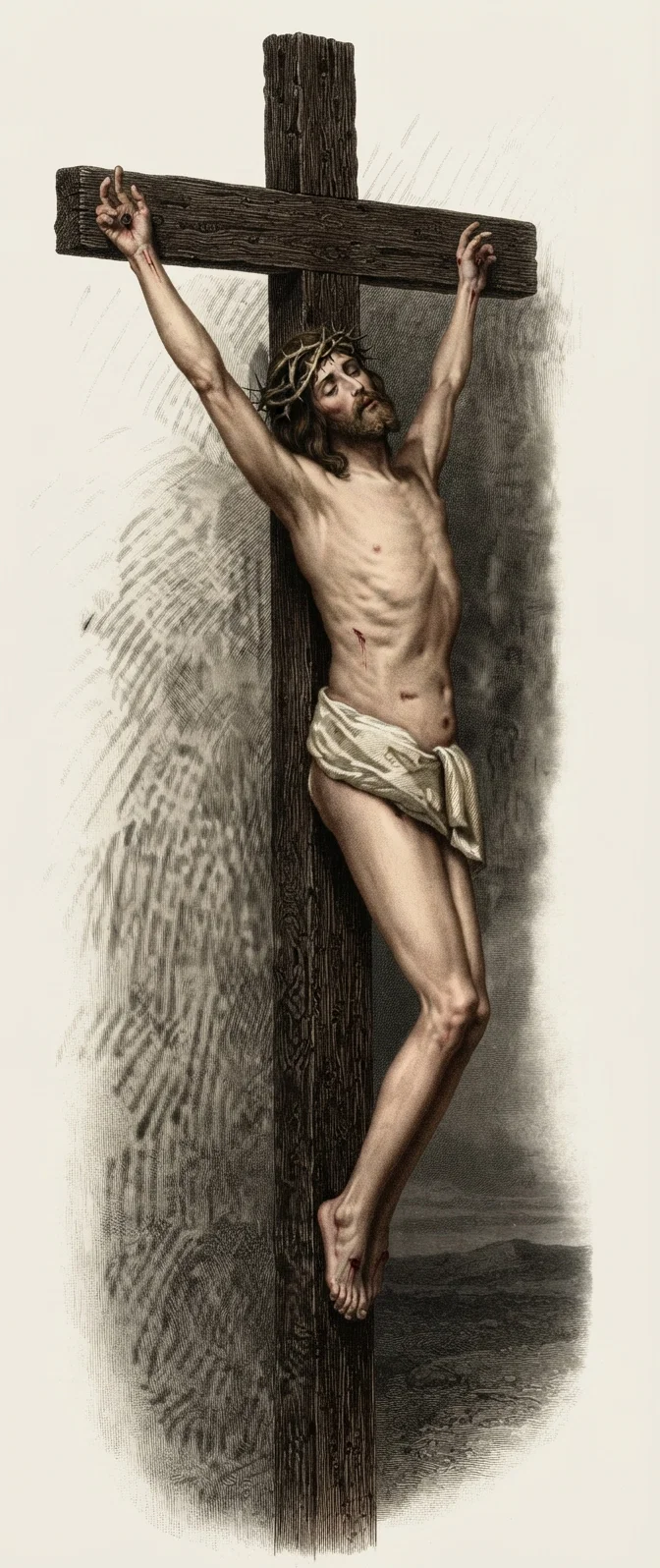
But one avenue of escape could be opened for the sinner; namely, "We see Jesus, who was made a little lower than the angels for the suffering of death; . . . that He by the grace of God should taste death for every man." "Who being the brightness of His [God's] glory, and the express image of His person, and upholding all things by the word of His power, when He had by Himself purged our sins, sat down on the right hand of the Majesty on high." Heb. 2: 9; 1: 3.
Since death had come by man, life from the dead must also come by man. For the accomplishment of this, a divine incarnation must take place.

CLOTHED WITH HUMAN FLESH

And it did, for the record says: "Behold, a virgin shall be with child, and shall bring forth a son, and they shall call his name Emmanuel, which being interpreted is, God with us." Matt. 1: 23; Isa. 7: 14. "But when the fullness of the time was come, God sent forth His Son, made of a woman, made under the law, to redeem them that were under the law, that we might receive the adoption of sons." Gal. 4: 4, 5. "Forasmuch then as the children are partakers of flesh and blood, He also Himself likewise took part of the same; that through death He might destroy him that had the power of death, that is, the devil; and deliver them who through fear of death were all their lifetime subject to bondage. For verily He took not on Him the nature of angels; but He took on Him the seed of Abraham. Wherefore in all things it behooved Him to be made like unto His brethren, that He might be a merciful and faithful High Priest in things pertaining to God, to make reconciliation for the sins of the people. For in that He Himself hath suffered being tempted, He is able to succor them that are tempted." "And being made perfect, He became the Author of eternal salvation unto all them that obey Him; called of God an High Priest after the order of Melchisedec." Heb. 2: 14-18; 5: 9, 10.

HID BEHIND A REFUGE OF LIES

The first three chapters of Genesis record the creation of man and his lapse from perfection. The excuses offered by the recreants show too plainly how reprobate their minds had become. The once pure and holy pair were willing now to screen themselves behind a refuge of lies.
Their lives were forfeited to the broken law. They were out of harmony with heaven's order. Just as the ferment transforms the delicious fruit of summer into the deadly intoxicant, so had transgression transformed the lives of these first dwellers in Eden. Excuses could not shield them. The fatal draft will yield to but one antidote; and "God so loved the world, that He gave His only-begotten Son, that whosoever believeth in Him should not perish, but have everlasting life." John 3: 16.
To the guilty pair, the promise was spoken: "And I will put enmity between thee and the woman, and between thy seed and her seed; it shall bruise thy head, and thou shalt bruise his heel." Gen. 3: 15.

A BEQUEST FROM THE FIRST TRANSGRESSORS

The only-begotten Son of God was the seed promised; and from that day until the consummation of the promise, a carnal and a spiritual nature battle for the supremacy in the life of every individual. Spiritual victory always involves earnest effort, conflict, and controversy; while the opposing carnal nature needs but to yield to inclination. Spiritual liberty is the child of conquest, while its foe is the license that comes as a bequest from the first transgressors.
It was the purpose of the Creator that man's body should be a temple for the indwelling of the Spirit of God (1 Cor. 3: 16, 17); and "where the Spirit of the Lord is, there is liberty." 2 Cor. 3: 17.
The Creator has loved man unceasingly, and has placed the livery of heaven under commission for his redemption. Heb. 1: 14. And in the days of types and shadows, He said, "Let them make Me a sanctuary; that I may dwell among them." Ex. 25: 8. The angel-figured veil that separated the holy from the most holy place would constantly remind the worshiper of his need of a Saviour, and of how his transgressions had separated him from God; just as, before its withdrawal from the earth, the angel-guarded gate of Paradise had served as a reminder to the antediluvians.

REDEMPTION A PERSONAL MATTER

The first recorded sacrifice was that of Cain and Abel — that of Cain being rejected, and that of Abel being accepted. This episode clearly indicates that the plan of redemption is for individuals, and not for families, communities, or nations. Israel as a nation might serve the Lord, but the yearly cleansing of the temple required that "ye shall afflict your souls, and offer an offering made by fire unto the Lord. . . . FOR WHATSOEVER SOUL IT BE THAT SHALL NOT BE AFFLICTED IN THAT SAME DAY, HE SHALL BE CUT OFF FROM AMONG HIS PEOPLE." Lev. 23: 27-29. "The soul that sinneth, it shall die. The son shall not bear the iniquity of the father, neither shall the father bear the iniquity of the son." Ezek. 18: 20.

THE FOLLY OF HUMAN WISDOM

The vast majority of mankind refused to accept by faith the promised Saviour prefigured in the sacrifices of those who worshiped God; and even those who worshiped, at times lapsed into formalism, and ascribed saving virtue to the blood of slain lambs, when in reality these creatures only shadowed forth the promised "Seed," "the Lamb of God," whose blood alone could atone for the transgression of the divine law.
Through successive ages, formalism, hypocrisy, and pagan unbelief as it were imprisoned the truth. But during these apparently unfruitful years, God was permitting men to make the experiment of finding out God by their own wisdom — not to demonstrate their inability to His satisfaction, but that men themselves might see that they could not obtain a knowledge of God and of Jesus Christ save through the revelation of His word and Holy Spirit. When Christ came to the world, the experiment had been fully made, and the result showed that the world by wisdom knew not God.

REACHED THE CLIMAX OF REBELLION

When the world of men had reached the climax of rebellion against God, the Christ was born, in harmony with the predictions of a voluminous line of prophecy covering a period of four thousand years. For thirty-three years, HE AS A MAN LIVED A DIVINE LIFE. "Who in the days of His flesh, when He had offered up prayers and supplications with strong crying and tears unto Him that was able to save Him from death, and was heard in that He feared; though He were a Son, yet learned He obedience by the things which He suffered; and being made perfect, He became the author of eternal salvation unto all them that obey Him." Heb. 5: 7-9.
Christ having accomplished His earthly mission, the foreshadowing sacrifices and temple ceremonies ceased. "Which was a figure for the time then present, in which were offered both gifts and sacrifices, that could not make him that did the services perfect, as pertaining to the conscience."
"But Christ being come an High Priest of good things to come, by a greater and more perfect tabernacle, not made with hands, that is to say, not of this building; neither by the blood of goats and calves, but by His own blood ["without shedding of blood is no remission"—Heb. 9: 22] He entered in once into the holy place, having obtained eternal redemption for us. . . . And for this cause He is the Mediator of the new testament [Jer. 31: 31-33], that by the means of death, for the redemption of the transgressions that were under the first testament [Ex. 19: 1-8], they which are called might receive the promise of eternal inheritance. . . . So Christ was once offered to bear the sins of many; and unto them that look for Him shall He appear the second time without sin unto salvation." Heb. 9: 11, 12, 15, 28.