We talk of the first, second and third angels' messages, and are accused of being limited and fanciful in our views of Scripture. But we wish to ask plainly every person who respects the sacred text, if there are not three angels spoken of in Rev. xiv. in consecutive order, the last called the third, by which the other two are recognized as the first and second? 2. Have they not each a special message to proclaim? 3. Is it not therefore eminently proper and scriptural to speak of the first angel's message, the second angel's message, and the third angel's message? All must admit that it is. Let no fault, then, be found with our phraseology of these messages, while we proceed to offer a few reasons for our application of them.
Like most other agents introduced in the book of Revelation, we believe these angels to be symbolic. That they are not literal angels is certain from the fact that they are commissioned to preach the everlasting gospel, and associate truths. But in the proclamation of the gospel literal angels are not employed. This work is committed unto men [Matt. xxviii, 19; Mark xvi, 15; 2 Cor. iv, 1-7; v, 18]; and we therefore conclude that they symbolize classes of religious teachers, with special and important truths.
We now inquire after the time of these proclamations, to which, however, but a brief space can be allotted in this sheet. Of the scene immediately following the third angel's message there can be no doubt. The one like unto the Son of man [verse 14] seated on a white cloud, is evidently a symbol of the Lord Jesus coming in the clouds of heaven. These messages therefore go forth previous to the coming of Christ, and extend to that event. We are therefore warranted to look for the third message, at least, immediately preceding the coming of the Son of man. The other messages go forth before this; but how long before? Not long ages, as some contend, from the fact the messages are connected together in unbroken succession; and from the fact also, that the first of these proclamations is, "The hour of his judgment is come," bringing in view a scene closely connected with the second advent. Such a proclamation as this was not made by the apostles. Paul reasoned of a judgment to come [Acts xxiv, 25], not of one immediately impending. They declared moreover that the day of the Lord was not, in their day, at hand. 2 Thess. ii, 2. Martin Luther and the other reformers did not give this message; for he placed the judgment in the future from his day about 300 years. In short, no movement can be found in the past history of the church to answer to this message except the great movement on the second advent question, which has taken place within the memory of this generation. For a full discussion of these subjects the reader is referred to a pamphlet entitled, "The Three Messages of Rev. xiv," published at this Office. The following series of illustrations will present to the mind of the reader, at a glance, the order of these events and the application of them which will be found abundantly sustained, in the work above mentioned:
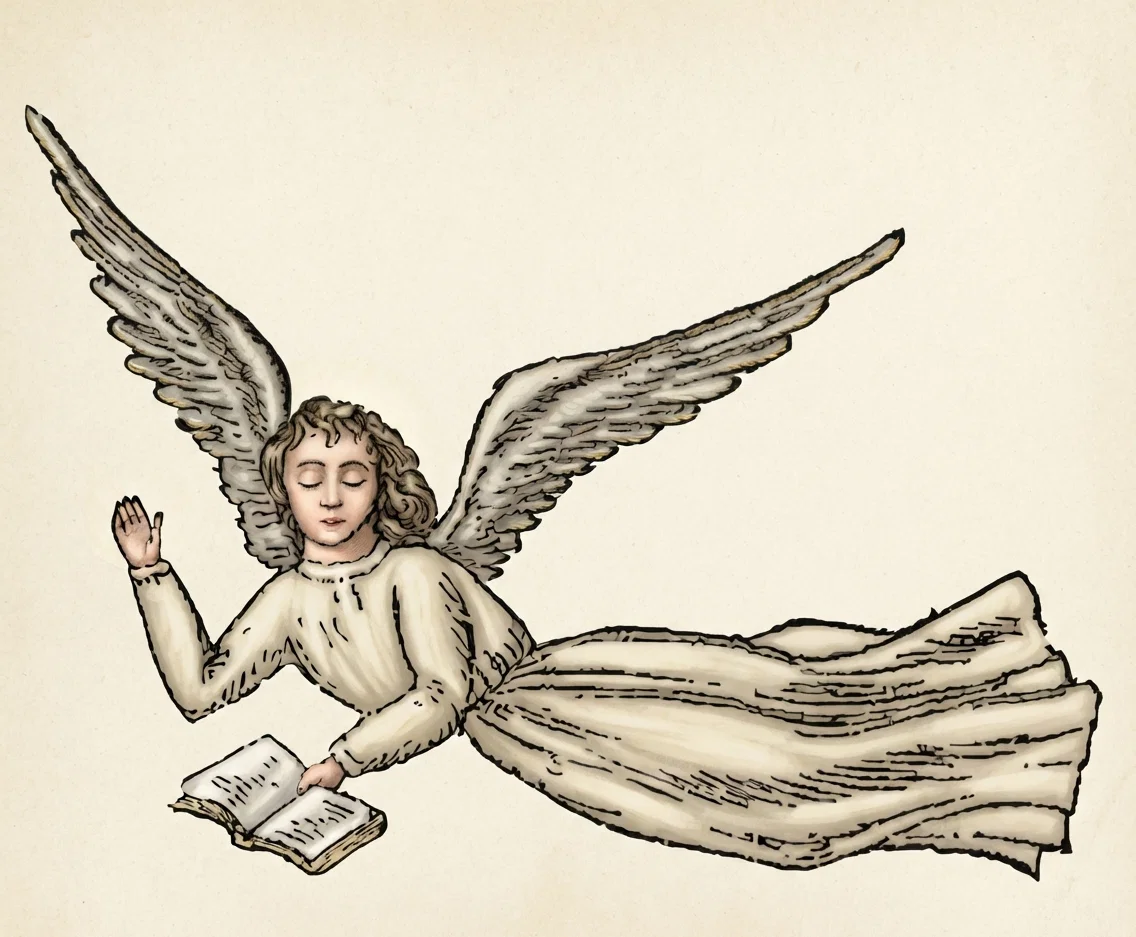
"And I saw another angel fly in the midst of heaven, saying with a loud voice, Fear God, and give glory to him; for the hour of his judgment is come." Verses 6, 7.
Fulfilled in the special proclamation of the everlasting gospel, based on the prophecies and termination of the prophetic periods between the years 1837 and 1844.
FIRST MESSAGE.
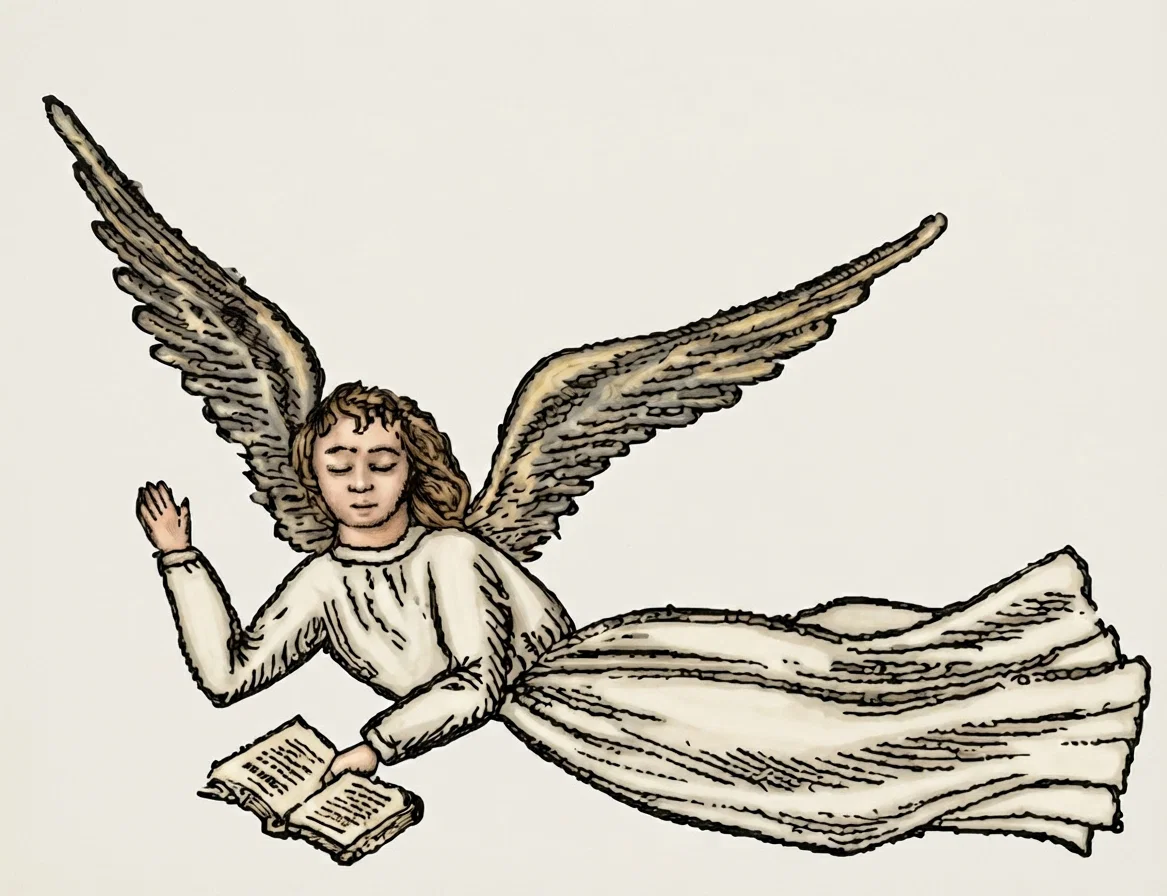
"And there followed another angel, saying, Babylon is fallen, is fallen." Verse 8.
Fulfilled from the spring to the fall of 1844.
Babylon—(mixture, confusion), a lifeless and divided Christianity. Its fall—a moral one, caused by the rejection of the first message or proclamation of the advent.
SECOND MESSAGE.
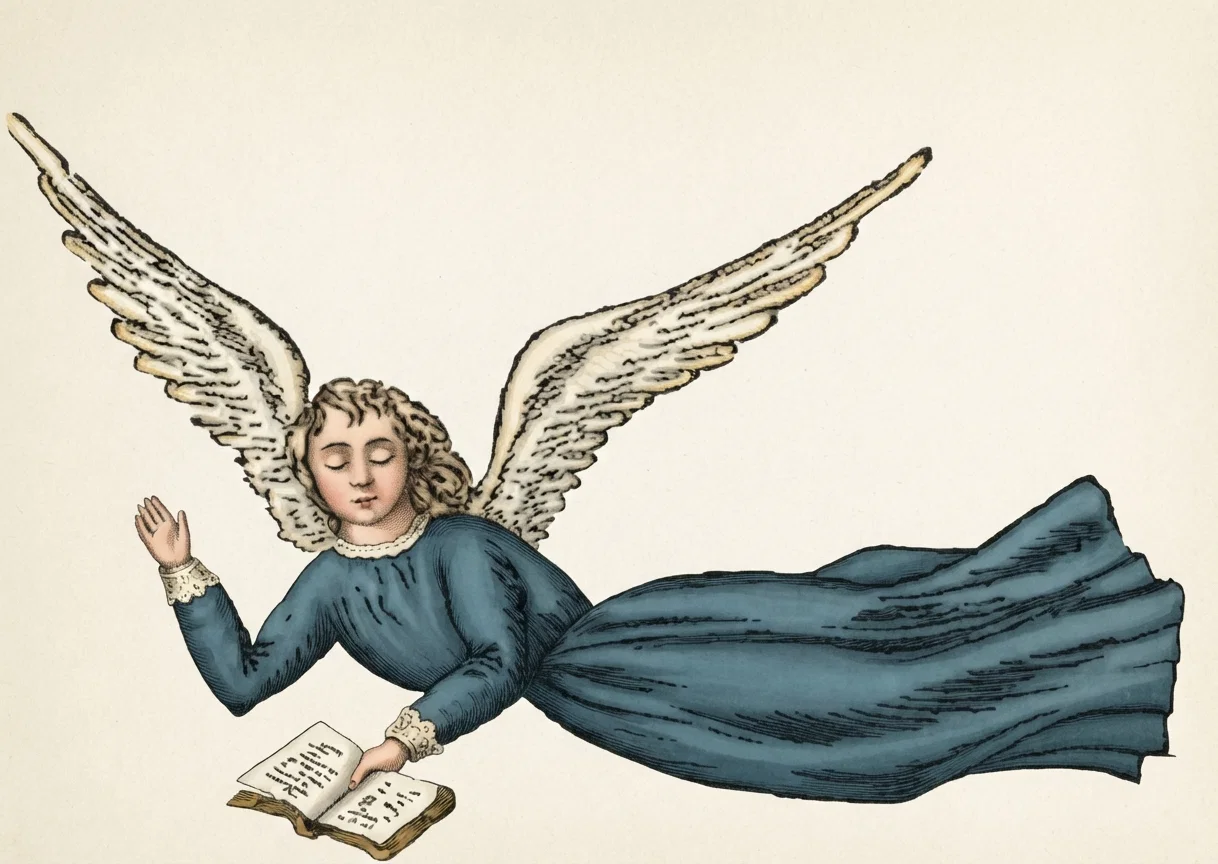
"And the third angel followed them, saying with a loud voice, If any man worship the beast, and his image, and receive his mark," &c. Vs. 9-12.
This message is now going forth. The proclamation is based upon the closing sanctuary work upon which our High Priest entered at the close of the 2300 days in 1844.
THIRD MESSAGE.
"The temple of God was opened in heaven," says the apostle [Rev. xi, 19], and there was seen in his temple the ark of his testament. The ark was a portion of the furniture of the sanctuary, and was a depository of the tables of the testimony, or ten commandments. Ex. xxv, 21; xxxi, 18. And hence the declaration, "Here are they that keep the commandments of God, and the faith of Jesus." The faith of Jesus, of course, includes everything contained in the New Testament. The commandments of God must therefore be something separate and distinct from this, and can only refer to the ten which he spoke with an audible voice from the summit of Sinai.
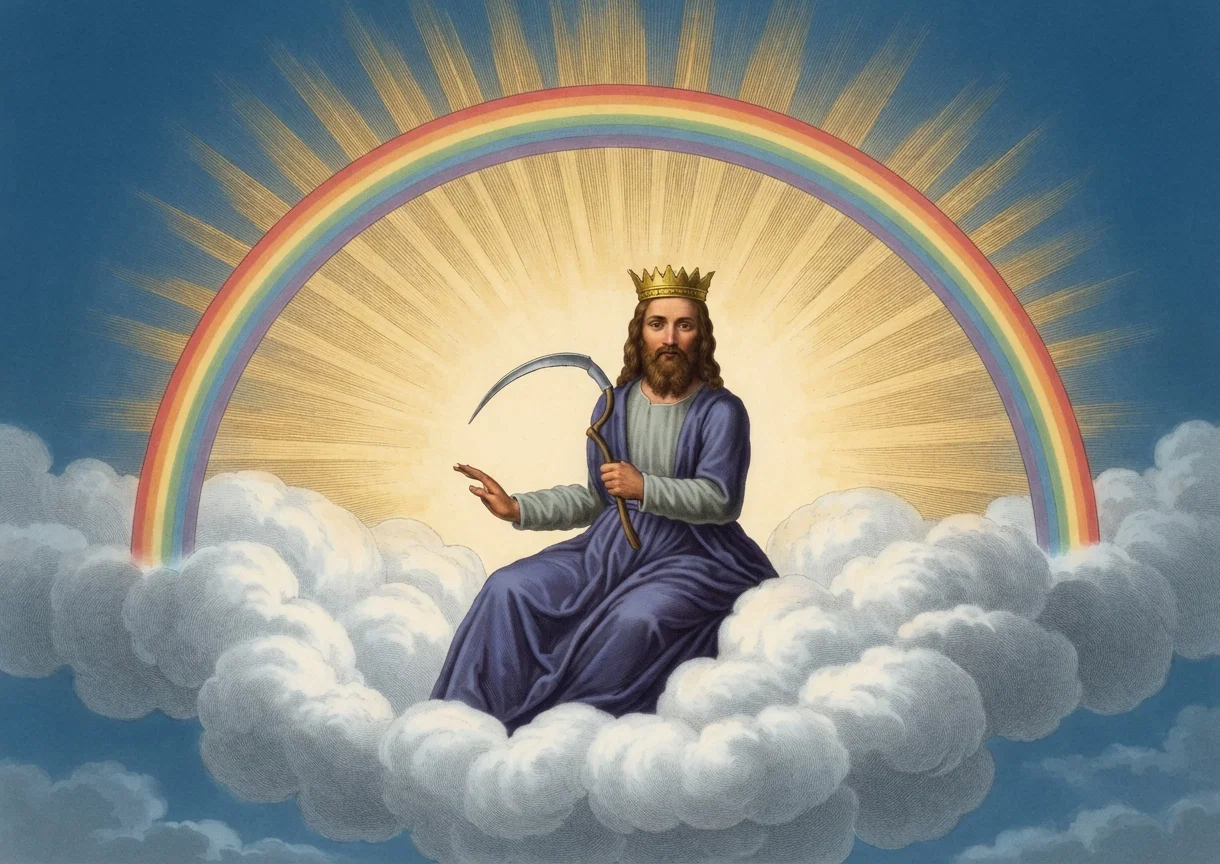
The next event in this line of prophecy is "a white cloud, and upon the cloud one like unto the Son of man, having on his head a golden crown, and in his hand a sharp sickle." Verses 14.
We have here a symbol of the Son of man coming in the clouds of heaven, in fulfillment of the promise made by the angels to the men of Galilee when they said, "This same Jesus which is taken up from you into heaven, shall so come in like manner as ye have seen him go into heaven." Acts i, 11.