Signs of the Times, Vol. 42, No. 1.

And the Nations Were Angry

Signs of the Times

Jan 5, 1915

Pacific Press Publishing Association · Mountain View, California · Jan 5, 1915

"And the Nations Were Angry"
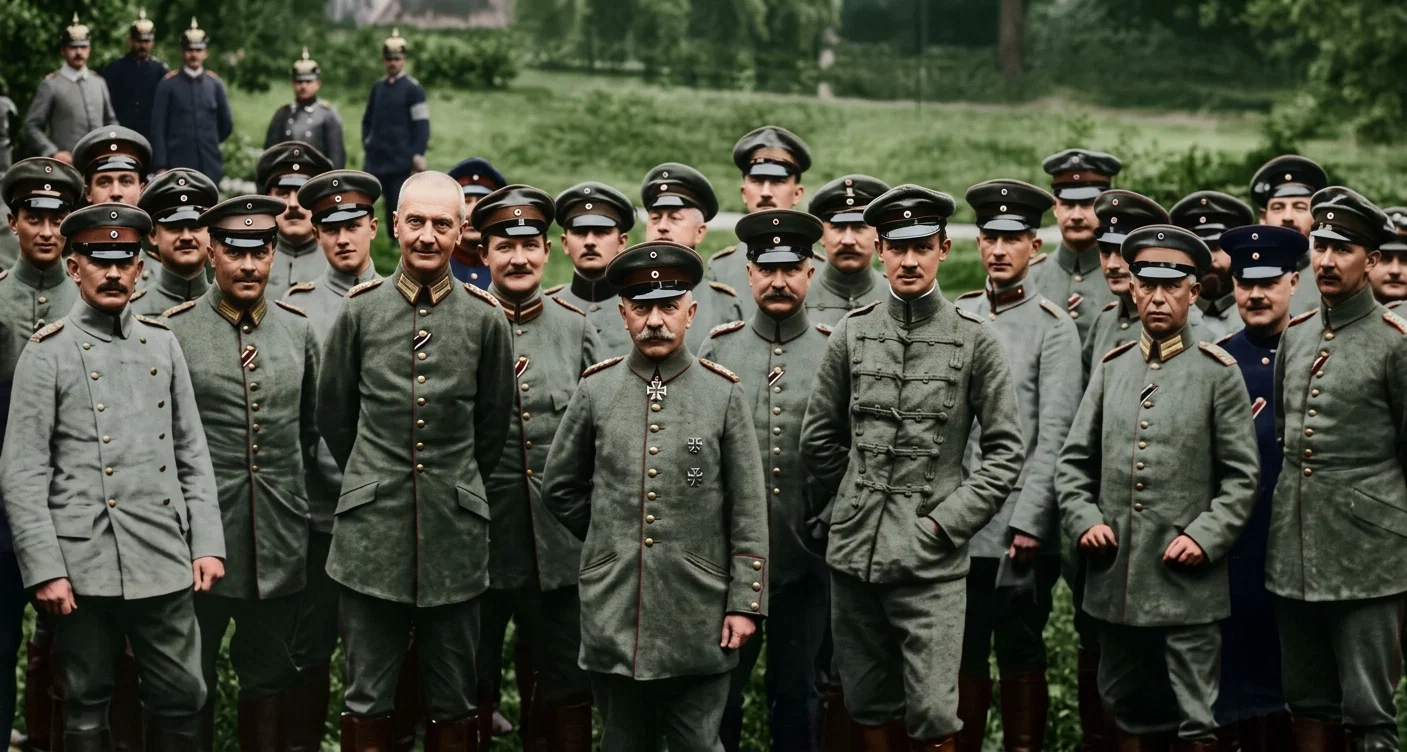
Vivid Language of the Prophet in Describing Present Day Wars—Leading Persons of the World Use the Same Words in Talking of Europe’s Strife—The Message of Hope Should Be Given as Never Before
By WILLIAM A. SPICER
A GROUP OF OFFICERS ENGAGED IN THE EUROPEAN CONFLICT
When President Wilson, in the early days of the great European conflict, made the tactful offer of the good offices of the United States as a neutral country in mediation or arbitration, the courteous answers received from all the powers involved indicated plainly that the general feeling was that it was not an opportune time to talk of terms of peace.

The Anger of the Belligerents

Discussing this phase of the situation, the secretary of state, Mr. Bryan, said: “When the anger of the belligerent nations has sufficiently abated, they will find the president waiting to render such assistance as may be within his power in the direction of accommodation and conciliation. He has sent the dove out of the ark in search of dry land. God speed its return with an olive leaf.”—Washington Post, August 18.
When modern statesmen discuss the situation, they can but use practically the same terms employed by the ancient prophets in foretelling conditions among the nations just before Christ’s second coming.

He Described It Beforehand

Mr. Bryan spoke of the “anger of the nations.” Describing the scenes on earth during the last generation, while the closing Judgment work is proceeding in the heavenly temple above, the prophet John in the Revelation wrote: “And the nations were angry, and Thy wrath is come, and the time of the dead, that they should be judged, and that Thou shouldest give reward unto Thy servants the prophets, and to the saints, and them that fear Thy name, small and great; and shouldest destroy them which destroy the earth.” Rev. 11:18.
What the prophet described so long ago we see fulfilling on every hand. The temper of the times is irritable. With the whole world brought closely together by modern means of intercommunication, the peoples of the world touch one another at every point, and once conflict is launched an unwonted spirit of hatred seems to spring up between them.
During the early days of the European conflict, Mme. Rosike Schwimmer, of Budapest, visited Washington to plead in the name of the women of Europe for every effort to be made toward intervention. In an interview in the Washington Herald Mme. Schwimmer declared:
“As soon as one decisive battle is over, all hope of mediation will be lost. That is why my visit is so urgent. And if war is not settled by arbitration or mediation, then it will never be settled.
“Never was such profound hatred existing between warring countries. And even if the war is settled by fighting, we can never have peace in Europe.”

Not a New Thing

The national and racial rivalries that engender the spirit of hatred are no new thing in the history of man. It is the old, old story. When the apostle Paul describes the natural man, he says: “Now the works of the flesh are manifest, which are these: . . . hatred, variance, emulations, wrath, strife.” Gal. 5:19, 20.
That has ever been the history of unregenerate man. That is what we all are by nature. The only thing that has distinguished our own time is the increasing intensity of this spirit and the world-wide range of it, as well as the rapidity and energy with which the nations can give effect to these feelings that stir the hearts of men.

Its Message of Peace and Good Will

It is a good time in which to lift up as never before the cry of the everlasting gospel, with its message of peace and good will. This other spirit that is of the world means nothing but eternal loss to those who are controlled by it. Closing his record of the works of the flesh the apostle cries out, “I tell you before, as I have also told you in time past, that they which do such things shall not inherit the kingdom of God.”
Thus it is that there is a divine consistency in the picture given us by inspiration of two distinguishing features of the last days. On the one side, the pen of prophecy tells of the waking up and arming of the nations, of angerand hatred stirring the hearts of men into fierce conflict. On the other hand, the same pen pictures the working of the mighty power of God in the last days, in sending the gospel message to all the world—a message of peace and good will to men, amidst preparations for strife and the shock of battle.

The Work Goes Notwithstanding

Thank God, as our hearts are filled with anxiety and dread by each day’s news from the scenes of conflict, we have at the same time the blessed word from the four quarters of the earth that the missionary cause is striking forward notwithstanding all. Now, above all times, is the time to preach the gospel of salvation as it is in Christ Jesus, able still to save men from all the fierce spirit of the world by regenerating the natural heart.
It is not the easiest time to preach this gospel of the kingdom of Heaven’s grace and love, when men’s hearts are stirred with the passionate spirit of the world. Nevertheless, it is the gospel of God’s dear Son, the only gospel that Heaven has to offer, and the only hope for men and women in this wicked warring world.

Is Man Mortal or Immortal?

The Source of All Life—The First Teacher of Inherent Immortality—God Has Immortality and Bestows It upon Man on Conditions
By HAMPTON W. COTTRELL
We read that it was God “who created all things by Jesus Christ.” Eph. 3:9. And again referring to Christ, the apostle says: “For by Him were all things created, that are in heaven, and that are in earth, visible and invisible, whether they be thrones, or dominions, or principalities, or powers: all things were created by Him.” Col. 1:16.
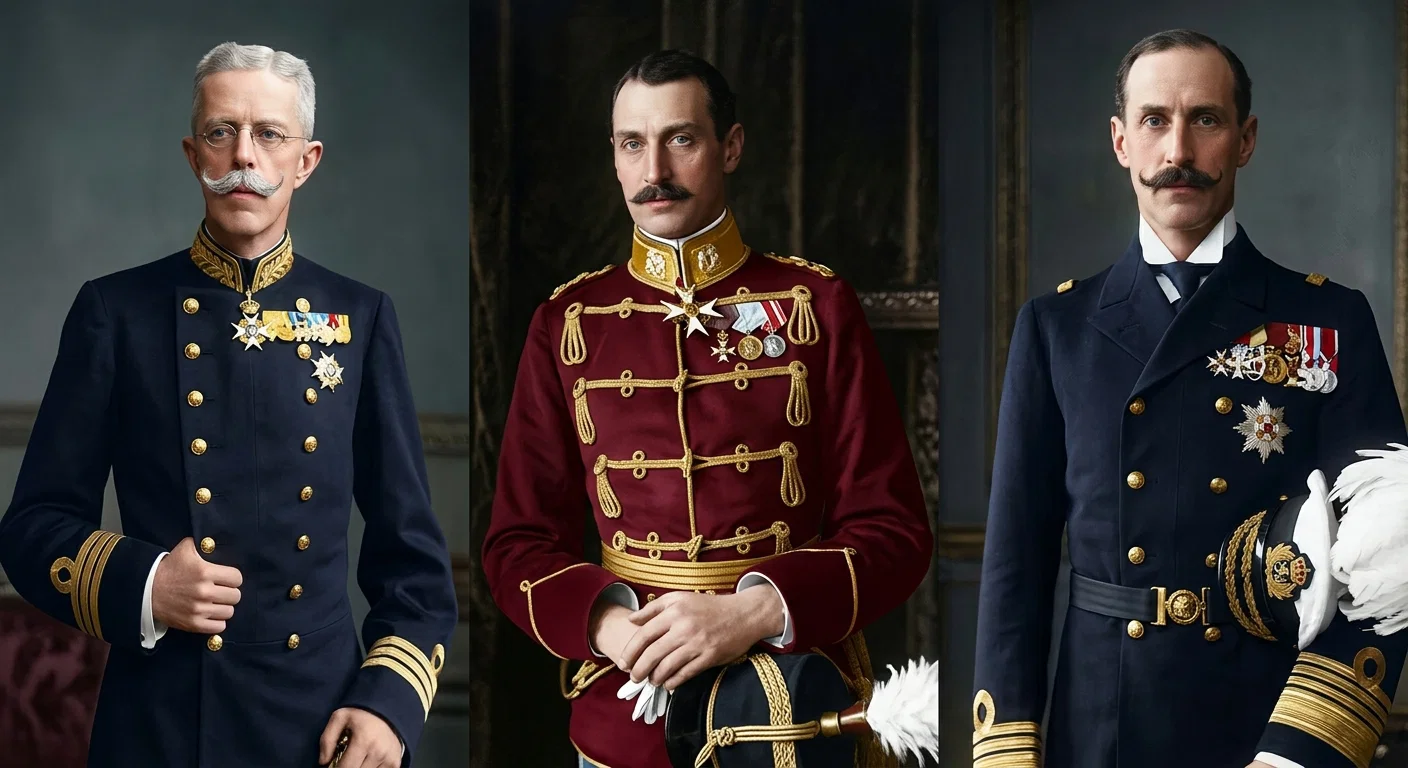
The Three Scandinavian Kings
The element of life as manifest in man and throughout all nature, is an essential factor in the creation of God and is in both heaven and earth. Surely then the life possessed by man is an element of the creation of God, as stated in the above quotation. Life may be eternal, or it may be limited in the length of its duration.

The Life of Man Limited

Relative to the creation of man we read, “And the Lord God formed man of the dust of the ground, and breathed into his nostrils the breath of life; and man became a living soul.” Note that the text declares that the organization made of the dust of the ground was man. But man did not live, so God breathed into him the element of life, that He had created for man’s use, and he—man—became a living soul. The text does not say that an immortal soul was breathed into man. Neither does it say that God breathed into him an immortal spirit. Neither does the text or the context affirm that the eternal, conscious, deathless Spirit of God was breathed into the nostrils of the lifeless man. Surely then no such act occurred.
God organized matter that He had made and called it man. This organization, or body of matter, was God’s body, for He made it. All bodies are God’s bodies in the restricted sense that He created them. But would any one venture to assume the premise, and to build a theory thereupon, that the man created of matter organized into a body, is the very body of the personal God, simply because God made it? We think no one would risk his reputation by so doing.
The statement is frequently made that man is by nature immortal, for God breathed into him the breath of life, and so he must live eternally, either in heavenly joy or in the distress of the condemned. From the same hypothesis one may reason that all the creatures that come from the hand of God, and to which He gave life, must likewise live eternally. The pantheist maintains that all life is eternal, because it is of God; and that wherever life is, God is. Thus he bows down and worships God in the tree, the flower, and the grass.

The Source of All Life

All life is of God. He is the fountain of life. But not all life is the very personal life of the spiritual Deity; for then there would truly be “gods many, and lords many.” The theory that God’s eternal life is the vitalizing, energizing power in every man, would array God against Himself. Would God in one man destroy, murder, debauch His own life—Himself—in other men? Christ said, “Every . . . house divided against itself shall not stand.”
A setting of terms that would prove the natural life of Adam and all men to be the personal, eternal life of God because it was “God breathed,” would equally prove all creation to be the spiritual, personal body of God; for the creation of matter and its organization, like the life of man and all nature, came from the hand of God.
Let us associate a few texts of Scripture, “And the Lord God formed man. . . . and breathed into his nostrils the breath of life.” Gen. 2:7. Thus God did for man. Likewise God made all the animals of earth and sea. They lived. It is written of the time of the Flood: “And all flesh died that moved upon the earth, both birds, and cattle, and beasts, and every creeping thing that creepeth upon the earth, and every man: all in whose nostrils was the breath of the spirit of life.” Gen. 7:21, 22, A. R. V. And again we quote: “All the while my breath is in me, and the spirit of God is in my nostrils [margin, ‘that is, the breath which God gave him’].” Job 27:3. Note that in all God’s animate creation He imparted life through the breath.

Satan Taught Inherent Immortality

Satan was the originator and first teacher of the doctrine of the natural immortality of the soul. The Lord had said of the tree in the midst of the garden, “In the day that thou eatest thereof thou shalt surely die.” Gen. 2:17. Satan said, “Ye shall not surely die.” Gen. 3:4. Of the character of Satan the apostle says: “He was a murderer from the beginning, and abode not in the truth, because there is no truth in him. When he speaketh a lie, he speaketh of his own: for he is a liar, and the father of it.” John 8:44. Surely then no one ought to believe him.

Man Is Mortal

The patriarch Job believed that man was mortal, for said he, “Shall mortal man be more just than God?” Job 4:17.

The Creator Is Immortal

The term “immortal” is used but once in the Bible, and is applied to God only. “Now unto the King eternal, immortal, invisible, the only wise God, be honor and glory forever and ever.” 1 Tim. 1:17.

God Only Has Immortality

The apostle Paul, speaking of God, says He is “the King of kings, and Lord of lords; who only hath immortality.” 1 Tim. 6:15, 16.

Sentence of Death

The sentence of death was passed upon man by the Lord, “Thou shalt surely die.” Gen. 2:17. Again He says, “Man dieth, andwasteth away.” Job 14:10. But the immortalist will say, “God does not mean this of man—the soul—but has reference to the body.” But hear His further witness: “Behold, all souls are Mine; as the soul of the father, so also the soul of the son is Mine: the soul that sinneth, it shall die.” Eze. 18:4, 20. We are again brought back to the inevitable conclusion that immortality is not an inherent nature in man.

Obtained Through Christ

Immortality is a quality to be sought, and may be found in Christ, for it is brought to light by Him in whom death is abolished. Note these words: “Who hath saved us [penitent sinners], and called us with an holy calling, not according to our works, but according to His own purpose and grace, which was given us in Christ Jesus before the world began, but is now made manifest by the appearing of our Saviour Jesus Christ, who hath abolished death, and hath brought life and immortality to light through the gospel.” 2 Tim. 1:9, 10. “To them who by patient continuance in well doing seek for glory and honor and immortality [God will give], eternal life.” Rom. 2:7.
We have quoted in this article every text in the Bible in which the term “immortality” is used, except 1 Cor. 15:53, 54. The subject under consideration in these verses is that of the resurrection of the just, at which time immortality will be imparted to them. The Bible states very clearly that immortality is a quality to be obtained through Christ. “And,” said Jesus, “the Scripture can not be broken.”

Eternal Life in Christ

Eternal life is a gift to man through Christ, to be obtained only by those who accept Him. “The gift of God is eternal life through Jesus Christ our Lord.” Rom. 6:23. Again: “He that believeth on the Son hath everlasting life: and he that believeth not the Son shall not see life; but the wrath of God abideth on him.” John 3:36.
We read: “And this is the record, that God hath given to us [Christians] eternal life, and this life is in His Son. He that hath the Son hath life; and he that hath not the Son of God hath not life.” 1 John 5:11, 12.

But One Way to Get It

The acceptance of the divine Christ through true penitence is one’s only assurance of immortality and eternal life. And he who does not of his own free will respond to the pleading of the “still small voice” for admission at the door of his heart, will reap eternal death as his reward. We should not be blinded by Satan’s sophistry, for as elsewhere quoted, “he is a liar, and the father of it.”
The Bible—the word of God—is the only sure foundation upon which to stand. Based upon it we are assured of immortality and eternal life. But standing upon any other foundation, one will meet shipwreck on the shoals of Satan’s deceptions—go down to eternal loss. “For there is none other name under heaven given among men, whereby we must be saved” from eternal death, but by the name of Christ, who is from eternity and to eternity. Acts 4:12 and Heb. 13:8.

The Mighty and Inspiring Conflict

To Save Man He Took the Eternal Risk — The Universe Looked On — Unfallen Angels Admired and Adored — The Depths of Infinite Love Revealed — Abundant Provision for Every One
By MRS. E. G. WHITE
This article is a powerful presentation of the conflict through which Christ passed in His work for the redemption of man. If you are an unbeliever, it will be worth your while to read it for the graphic and heroic story. If you already believe, your soul will feast upon the presentation of the riches of what your Lord has done for you.
EDITOR.
The coming of Christ to our world was a great event, not only to this world, but to all the worlds in the universe of God. Before the heavenly intelligences He was to take upon Himself our nature, to be tempted in all points like as we are, and yet to leave an example of perfect purity and unblemished character.
Satan and his angels exulted as they discovered that the Son of God had taken upon Himself the nature of man, and had come to be man’s substitute, to engage in the conflict in our behalf. The human family had been overpowered by the deception of the enemy; for all have sinned, and come short of the glory of God, and the enemy hoped that Christ also would become a victim to his seductive wiles.

WHOLE CONFEDERACY ATTACKED HIM

Satan gloried in the opportunity of besieging the Son of God with fierce temptations. Because He had taken upon Himself the nature of man, Satan deemed that his victory was certain, and with every malignant device in his power he strove to overcome Christ. The steadfast resistance of Christ to the temptations of the enemy brought the whole confederacy of evil to war against Him. Evil men and evil angels united their forces against the Prince of peace.

HE TOOK THE INFINITE RISK

The issues at stake were beyond the comprehension of men, and the temptations that assailed Christ were as much more intense and subtle than those which assail man as His character was purer and more exalted than is the character of man in his moral and physical defilement. In His conflict with the prince of darkness in this atom of a world, Christ had to meet the whole confederacy of evil, the united forces of the adversary of God and man; but at every point He met the tempter, and put him to flight. Christ was conqueror over the powers of darkness, and took the infinite risk of consenting to war with the enemy, that He might conquer him in our behalf.
The Redeemer of the world clothed His divinity with humanity, that He might reach humanity; for, in order to bring to the world salvation, it was necessary that humanity and divinity should be united. Divinity needed humanity, that humanity, might afford a channel of communication between God and man, and humanity needed divinity, that a power from above might restore man to the likeness of God.
Christ was God, but He did not appear as God. He veiled the tokens of divinity, which had commanded the homage of angels and called forth the adoration of the universe of God. He made Himself of no reputation, took upon Himself the form of a servant, and was made in the likeness of sinful flesh. For our sakes He became poor, that we through His poverty might be made rich.

DESCENDED TO THE DEPTHS OF WOE

He humbled Himself to pass through man’s experiences, and He would not turn aside from the plan by which salvation could come to man. Knowing all the steps in the path of His humiliation, He refused not to descend step by step to the depths of man’s woe, that He might make expiation for the sins of the condemned, perishing world. What humility was this! It amazed the angels. Tongue can never describe it. Pen can never portray it. The imagination can not take it in. Sinless and exalted by nature, the Son of God consented to take the habiliments of humanity, to become one with the fallen race. The eternal Word consented to be made flesh. God became man.
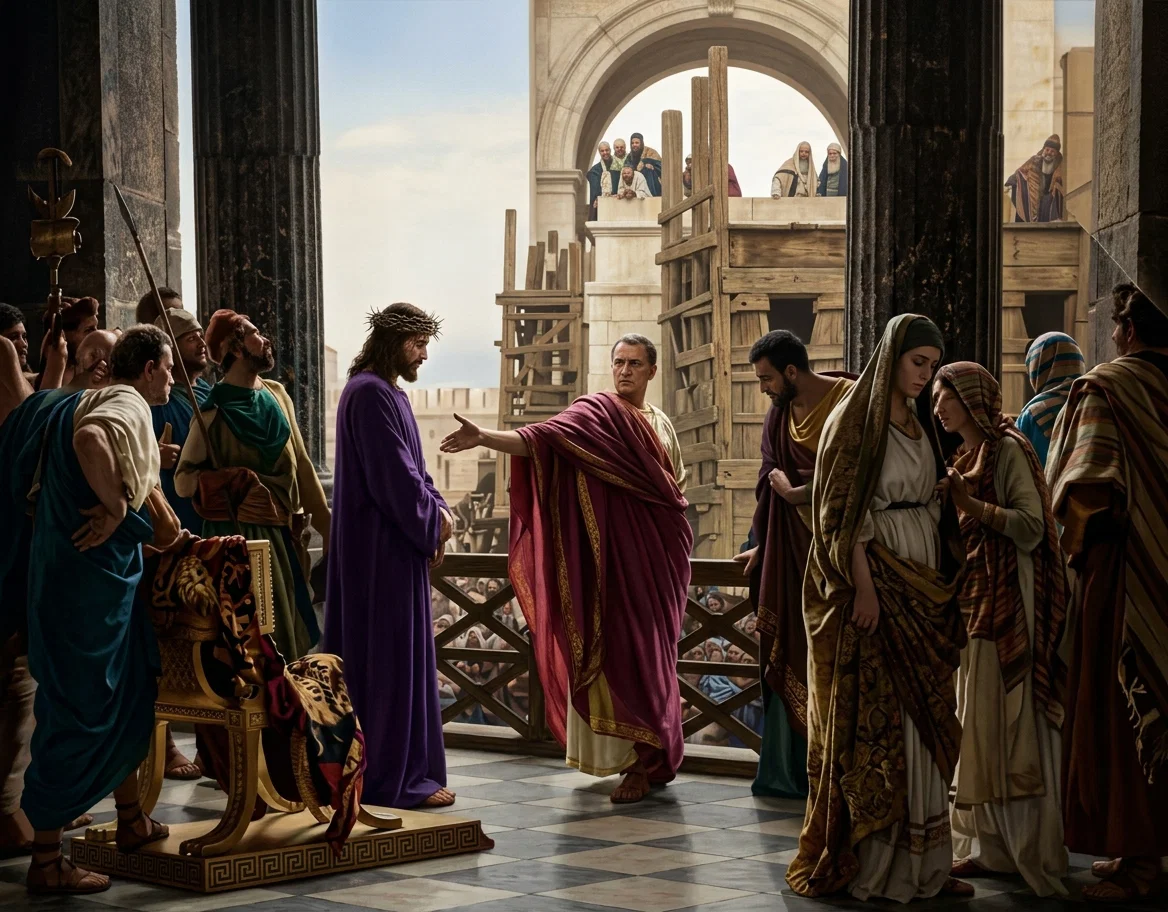
But He stepped still lower; He humbled Himself to bear insult, reproach, accusation, and shameful abuse. In the world which He had made, which was sustained by the word of His power, there seemed to be no room for Him. He had to flee from one place to another until His life work was accomplished. He was betrayed by one of His followers, and denied by another. He was mocked and taunted. He was crowned with thorns, and forced to bear the burden of the cross.

FELT ITS BITTERNESS AND ENDURED IT ALL

He was not insensible to ignominy and contempt; He submitted to it, but He felt its bitterness as no other being could feel it. Pure, holy, and undefiled, He was yet arraigned as a criminal before the eyes of the world. From the highest exaltation the adorable Redeemer took step after step in the path of humiliation. He consented to die in the sinner’s stead, that by a life of obedience man might escape the penalty of the law.
He humbled Himself, and became obedient unto death. And what a death! It was the most shameful, the most cruel,—the death upon the cross as a malefactor. He died not as a hero in the eyes of men, loaded with honors; He died as a condemned criminal, suspended between the heavens and the earth — died a lingering death, exposed to the tauntings and revilings of a debased and profligate mob.
“All they that see Me laugh Me to scorn: they shoot out the lip, they shake the head.” He was numbered with the transgressors, and even His kinsmen according to the flesh disowned Him. He was forced to see the sword pierce the heart of His mother,—He beheld her sorrow. He expired amidst derision. But all His sufferings were counted as of small account in consideration of the result He was working out in behalf of man, and for the good of the whole universe.

THE CRY RESOUNDED IN ALL THE UNIVERSE

He expired on the cross exclaiming, “It is finished,” and that cry rang through every world, and through heaven itself. The great contest between Christ, the Prince of life, and Satan, the prince of darkness, was practically over, and Christ was conqueror. His death answered the question as to whether there was self-denial with the Father and the Son.
Through the death of Christ a door of hope was opened for fallen man. Man was under sentence of death for the transgression of the law of God. He was under condemnation as a traitor, as a rebel; but Christ came to be his substitute, to die as a malefactor, to suffer the penalty of the traitors, bearing the weight of their sins upon His divine soul. He descended lower and lower, till there were no lower depths of humiliation to sound, in order that He might lift up those who would believe in Him, and cleanse the guilty from moral defilement, and impart to them His own righteousness. Hedied to make an atonement, to redeem, cleanse, restore, and exalt man to a place at His right hand.

HE WALKED THE EARTH UNHONORED

Through His life upon earth, He scattered blessings wherever He went. Though at His word legions of angels would render Him homage, yet He walked the earth unhonored, unconfessed. In place of praise He met reproach. He walked among men as one of the poor and lowly. Though He healed the sick, relieved the oppressed, bound up the broken-hearted, yet few called Him blessed, and the great of the earth passed Him by with disdain.

HIS DEPTHS OF LOVE FOR MAN

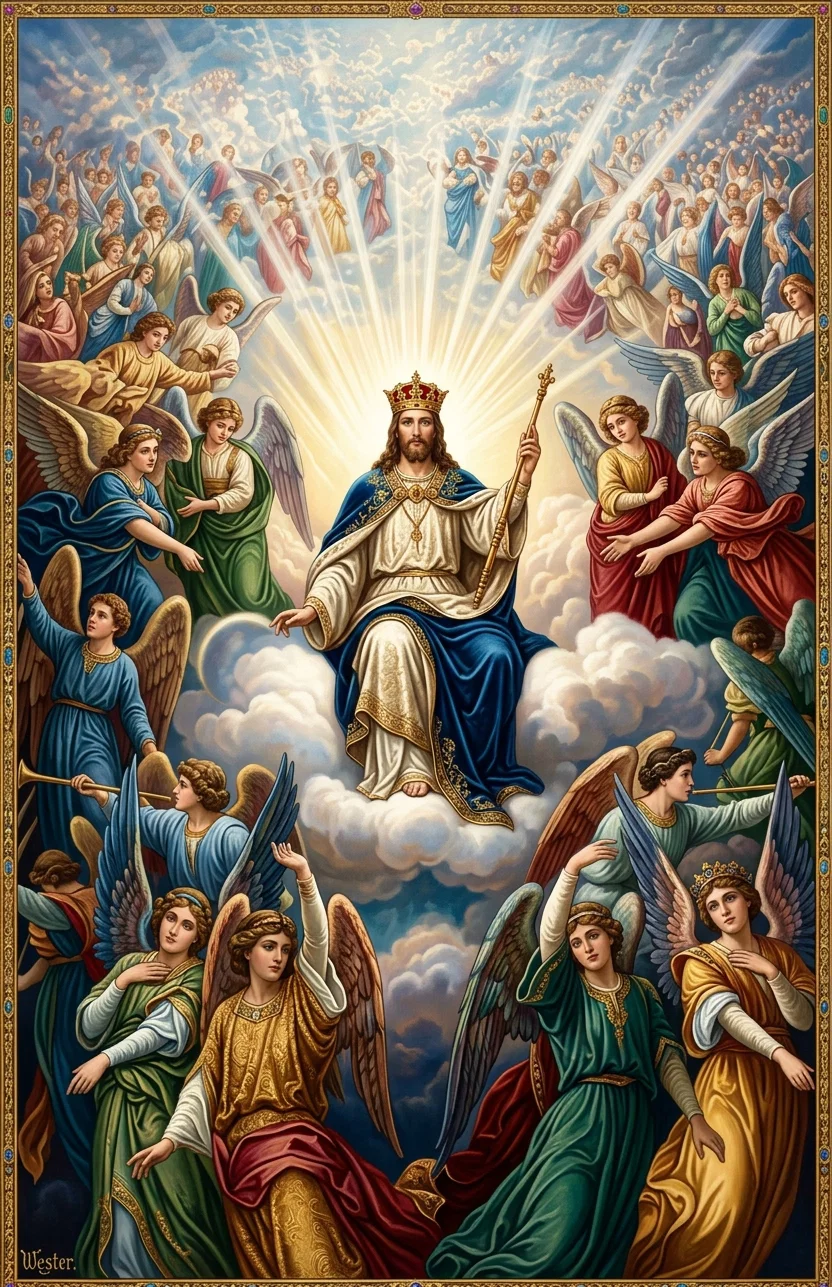
As a member of the human family He was mortal, but as God He was a fountain of life to the world. He could have withstood the advances of death and refused to come under its dominion, but voluntarily He laid down His life that He might bring life and immortality to light. He bore the sin of the world, endured the penalty, yielded up His life as a sacrifice, that man should not eternally die. Contrast His suffering and humiliation with the riches of His glory, with the wealth of praise pouring forth from immortal tongues, with the anthems of adoration, with the homage of millions of holy angels in the heights of the sanctuary, and seek to comprehend what manner of love inspired the heart of Jesus.
How much has God loved the race of men?—Look to Calvary. As you behold Jesus upon the cross, does not the heinous character of sin appear? It was sin that caused the death of God’s dear Son, and sin is the transgression of the law. Says the prophet: “Surely He hath borne our griefs, and carried our sorrows: yet we did esteem Him stricken, smitten of God, and afflicted. But He was wounded for our transgressions. He was bruised for our iniquities: the chastisement of our peace was upon Him; and with His stripes we are healed. All we like sheep have gone astray; we have turned every one to his own way; and the Lord hath laid on Him the iniquity of us all. . . . It pleased the Lord to bruise Him; He hath put Him to grief: when Thou shalt make His soul an offering for sin, He shall see His seed, He shall prolong His days, and the pleasure of the Lord shall prosper in His hand. He shall see of the travail of His soul, and shall be satisfied: by His knowledge shall My righteous Servant justify many; for He shall bear their iniquities.”
When the sinner realizes that Christ died for him, that He might impute His righteousness unto him, he magnifies the love of God in providing the plan of salvation.

THEY REFUSED LIFE

“The gift of God is eternal life through Jesus Christ our Lord.” At infinite cost the salvation of man has been purchased. The world may refuse the gift, but this will not lessen its value, or relieve men of its responsibility. When He was upon earth Jesus said to those who refused Him, “Ye will not come to Me, that ye might have life.” There are many who are refusing to respond to the drawing love of Christ to-day. Jesus calls, but many refuse to respond to the invitation. They will not avail themselves of the privilege of having Jesus for their personal Saviour. They do not come in humility and faith, that they may know by a personal experience what they are to Jesus, and what He is to them. But the promise is, “He shall see of the travail of His soul, and shall be satisfied.” Jesus will not rest until He leads His followers unto the realms of perfect joy and glory.

THEY WILL NOT PERISH

The plans of God can not fail. Men make great plans, but fail to accomplish the object that they design. They begin to build and are not able to finish. They do not count the cost. But Jesus counted the cost of the salvation of every son and daughter of Adam. He provided abundant means whereby all might be saved, if they would but comply with the conditions and lay hold upon eternal life. Unfailing resources are at His command to complete the work which He has begun. Those who respond to His love, yielding their wills to Him, will not perish, but have everlasting life.
How the wondrous provision of the plan of God for the salvation of men widens and exalts our ideas of the love of God! How it binds our hearts to the great heart of infinite love! How it makes us delight in His service, as our hearts respond to the drawing of His loving-kindness and loving mercy!
John calls upon men to behold the marvelous love of God. He exclaims: “Behold, what manner of love the Father hath bestowed upon us, that we should be called the sons of God: therefore the world knoweth us not, because it knew Him not. Beloved, now are we the sons of God, and it doth not yet appear what we shall be; but we know that, when He shall appear, we shall be like Him; for we shall see Him as He is. And every man that hath this hope in him purifieth himself, even as He is pure.” Those who are true, who are pure, who love and obey the words of God, will be counted children of the heavenly King, members of the royal family, heirs of God, joint heirs with Christ.

The Master Is Coming Again

The Promise Brought Joy to the Disciples’ Hearts—Men of All the Ages Have Rejoiced in the Hope—His Promise Can Not Fail—He Will Surely Come
By J. W. RICH
JESUS said, “If I go, . . . I will come again, and receive you unto Myself; that where I am, there ye may be also.” John 14:3. Jesus was here on the earth, a man among men, when He said these words, but He was soon to go away.
He was talking to the disciples, and through them to all His people who should live after them. He meant just what He said. His language was simple, but comprehensive. He knew all about the heart-aches and disappointments through which these men would be called to pass, and He knew, too, just what to say to encourage them, so that they would not become too weary by the way. This was characteristic of Him. He seemed always to anticipate the needs of those about Him, and knew just what to say and do to meet these needs.

Brought Gladness to Their Hearts

He saw the disciples sorrowing because He was going away. Nothing helped them so much as to be told that Jesus was coming again. To hear that from His own lips did them much good. He had never told them a falsehood. They had every confidence in His word, and here was His word, “I will come again.”
The disciples parted with Jesus with glad hearts even in that sorrowing hour. Their hopes had been kindled. He had told them that He was coming again. Their work seemed lighter to them now. They began to look to the future for that coming.
But that was not all. Jesus had told them to repeat to others what He had said to them. And they did so. It is true that not all to whom they told His words, believed them, and not all believe them now; but Jesus instructed the disciples to say that He was coming again, and through them He is saying it now. Reader, do you believe what Jesus told the disciples away back there?
These were not the only men to whom Jesus revealed the fact of His coming again. It must be that Abel had a knowledge of that truth; and we know that Enoch had positive evidence of it. Hear what is said of him: “And Enoch also, the seventh from Adam, prophesied of these, saying, Behold, the Lord cometh with ten thousands of His saints.” Jude 14. You see that what Jesus told the disciples, was not a new truth. He had told Enoch all about it hundreds of years before, and through him many others had learned of it. You remember that Jesus and Enoch were great friends, so we are not surprised that Enoch knew of the Saviour’s intentions.

Even Job Knew It

Even Job, who had such a sad experience, knew about the return of Jesus. The record tells us that he was an upright man, “one that feared God, and eschewed evil.” Jesus told him of His future plans. You remember Job was an object of Satan’s hatred, and some close friendship talks must have taken place between Jesus and Job. Here is what Job says: “I know that my Redeemer liveth, and that He shall stand at the latter day upon the earth: . . . whom I shall see for myself, and mine eyes shall behold, and not another.” Job 19:25, 27. It is no secret then, is it?
He told it to David, also, a man after His own heart; and David passed on the good news in Ps. 50:3.
He told Isaiah about it, and his hope in the return of Jesus led him to tell others, even us, so that we might know. Isa. 40:10.
Then, too, the angels know all about the plan; for when Jesus left the disciples, on His return to heaven, two angels came and told them just what Jesus had said a short time before,—that He was coming again. Acts 1:11.
Paul did not think very much of Jesus when the Master was here in person; but later he learned to love Him, and became a great friend of His. And naturally enoughPaul learned of the plan, and was very enthusiastic in making it known. He knew that Jesus had ascended to heaven. He had heard Peter and John tell about that, for they had witnessed it; and now Paul says, “The Lord Himself shall descend from heaven with a shout, with the voice of the Archangel.” Then he repeats what Jesus had told the disciples, and for the same reason,—to “comfort one another with these words.” 1 Thess. 4:16, 18. This message was given by Paul about A. D. 54.
Between forty and fifty years later, John wrote definitely about Jesus’ coming again. He did not forget, this time, what Jesus had told him. Those words were his hope. And he gives us a beautiful description of that event. We can not take time to speak of this just now.

The Hope of All the Ages

The coming of Jesus will be a remarkable event. Nothing like it has ever happened. It has been the hope of all the people of God through all the ages. They have looked forward to this event with expectancy. It is the culmination of their hopes, the end of their sorrows, the time of reward.
Jesus has revealed the knowledge of His coming to His friends of all times. He is revealing it to His friends to-day. He would like to see all appreciate His coming, and take time to reflect just what it means to each individually. A great many people are very busy these days making money, others are interested in other pursuits, and very nearly if not quite all their time is taken up with things less important than the coming of Jesus. He would be glad to have it otherwise. He yearns and works to have it otherwise. But He does not force Himself upon the attention of any.
One thing, however, is certain—Jesus is coming again. He has told us so. He is anxious to have us get ready to meet Him, but our failure to do so will not hinder His plan. He is coming. Heaven itself is pledged to that event, and we must accustom ourselves to that truth now.
“Heaven and earth shall pass away, but My words shall not pass away.” “I will come again.”
Continue reading: The Motor Power in Love’s Activities