Your ShelfYour Projects

Signs of the Times, Vol. 25, No. 24.

DENOUNCING THE PHARISEES
Earlier text: LOVING OUR NEIGHBOR

MISSIONARY BIOGRAPHIES

THE FOLLOWING VOLUMES WILL ENCOURAGE A SPIRIT OF SELF-SACRIFICE IN YOUR YOUTH AND CHILDREN, AND WILL ASSIST IN MAKING YOUR MISSIONARY MEETINGS MORE INTERESTING.
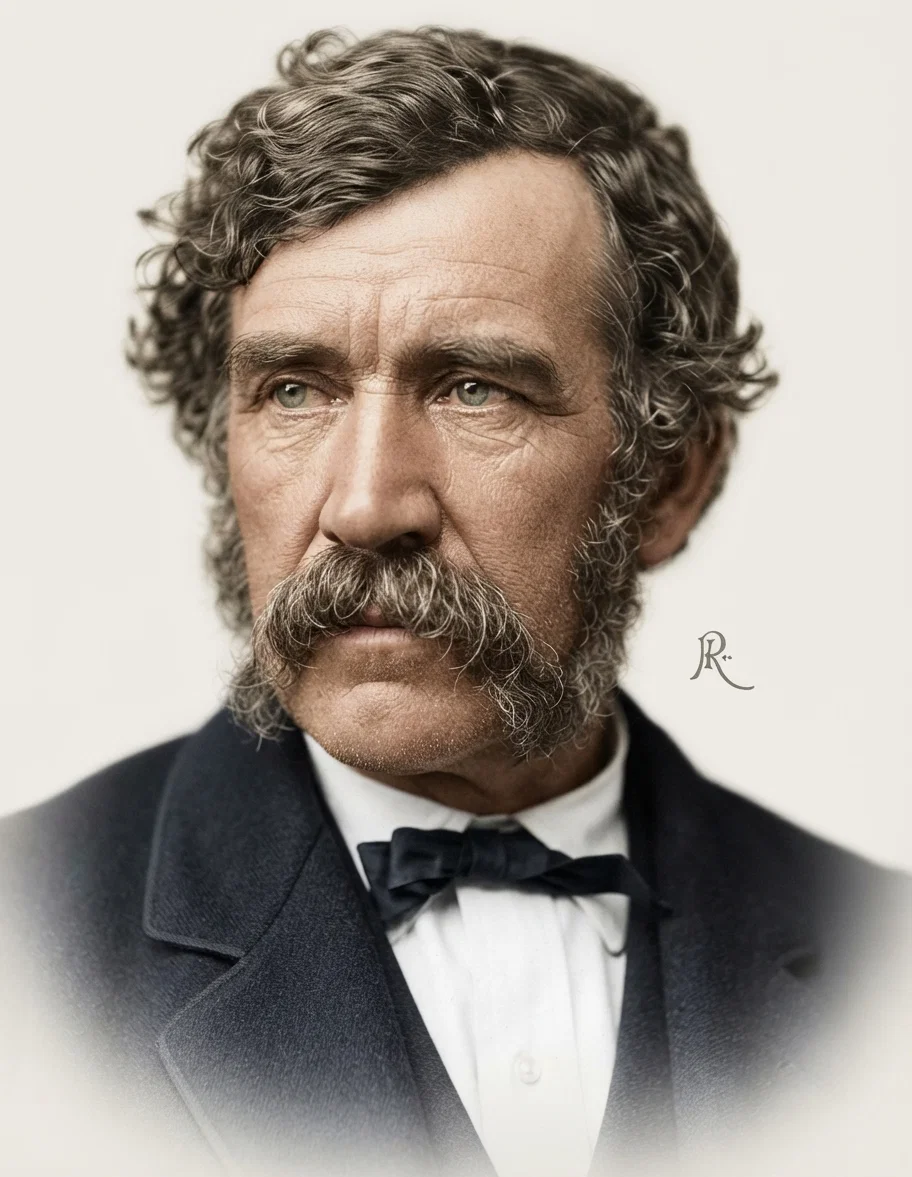
David Livingstone
David Livingstone

PRICES, 75c EACH, OR $8.00 PER SET OF 12 VOLUMES

  • Griffith John, Founder of the Haukow Mission, Central China.
  • Robert Moffat, the Missionary Hero of Kuruman.
  • James Chalmers, Missionary and Explorer of Raratonga and New Guinea.
  • William Carey, the Shoemaker who became a Missionary.
  • Robert Morrison, the Pioneer of Chinese Missions.
  • Bishop Patteson, the Martyr of Melanesia.
  • Samuel Crowther, the Slave Boy who became Bishop of the Niger.
  • Thomas J. Comber, Missionary Pioneer to the Congo.
  • Missionary Ladies in Foreign Lands.
  • John Williams, the Martyr Missionary to Polynesia.
  • David Brainerd, the Apostle to the North American Indians.
  • David Livingstone.
GOOD CLOTH BINDINGS
Pacific Press Publishing Co. OAKLAND, CAL. 39 BOND STREET, New York City 18 WEST FIFTH STREET, Kansas City, Mo.

Instructions for Ordering.

1. REMIT by P. O. Money Order, Express Order, or Bank Draft on New York, Chicago, or San Francisco.
2. If paper money or silver is sent, register the letter.
3. Orders and Drafts should be made payable to the PACIFIC PRESS PUBLISHING Co., or to SIGNS OF THE TIMES.
Postage-stamps.—Please do not send postage-stamps, as they are liable to stick together, and are useless in this condition.
Foreign Money.—Do not send any.
Receipt.—No formal receipt is sent unless by special request. The address label on your paper will indicate the time to which your subscription is paid. In case of non-receipt of papers, or any other irregularity, please notify us immediately.
Expiration of Subscription.—All papers are discontinued at the expiration of the time paid for. Notification will be sent several weeks before date of expiration, thus enabling you to renew in ample time to secure unbroken files. Please be prompt, as we can not always furnish back numbers.
Change of Address.—When ordering change of address, please give both the old and the new address.
Important.—Use a separate sheet for SIGNS orders, separate for other papers, separate for books, for tracts, etc., and if you address the editor, use a separate sheet. All can be sent in one envelope, and the money all sent in one order, but write each kind of business on a separate sheet. In this way each order can be handed to the proper clerk and filled at once.

OUR GENERAL AGENTS.

General Eastern Agency—Pacific Press Pub. Co., 39 Bond St., N. Y. City, N. Y. General Central Agency—Pacific Press Pub. Co., 14-18 W. 5th St., Kansas City, Mo. Argentine—Señor N. Z. Town, Casilla del Correo, 481 Buenos Ayres, Argentine Republic, S. A.
Arkansas Tract Society—913 Rock Street, Little Rock, Ark. Atlantic Tract Society—39 Bond St., New York City, N. Y. Australia—Echo Publishing House, North Fitzroy, Victoria. Australian Tract Society—251 St. George's Road, North Fitzroy, Australia. Battle Creek Tract Society—271 W. Main Street, Battle Creek, Mich. California Tract Society—1059 Castro St., Oakland, Cal. Canada—Review and Herald, 320 Yonge St., Toronto, Ontario. Chesapeake Conference—C. D. Zirkle, Sec., 826 N. Mount St., Baltimore, Md. China—A. La Rue, Hongkong, China. Colorado Tract Society—1112 S. 11th St., Denver, Colo. Dakota Tract Society—Vilas, S. Dakota. England—International Tract Society, 59 Paternoster Row and 451 Holloway Road, London. Florida Tract Society—Box 308, Orlando, Florida. Foreign Mission Board, S. D. A., 1730 N. 15th St., Phila., Pa. Germany—International Tract Soc., Grindelburg, 15a, Hamburg. Illinois Tract Society—324 Dearborn St., Chicago, Illinois. Indiana Tract Society—132 E. Ohio St., Indianapolis, Ind. International Tract Soc.—271 W. Main St., Battle Creek, Mich. Iowa Tract Society—603 East 12th St., Des Moines, Iowa. Kansas Tract Society—821 West 5th St., Topeka, Kan. Maine Tract Society—North Deering, Me. Manitoba—Manitoba Tract Society, Box 725 Winnipeg, Manitoba. Michigan Tract Society—226 Wash. Ave. N., Lansing, Mich. Minnesota Tract Society—Box 989, Minneapolis, Minn. Missouri Tract Society—14 West Fifth St., Kansas City, Mo. Montana Tract Society—Cor. Pine & Warren Sts., Helena, Mont. Nebraska Tract Society—1505 E St., Lincoln, Neb. Nevada-Cal. Tract Society, 1059 Castro St., Oakland, Cal. New England Tract Society—South Lancaster, Mass. New York Tract Society—317 West Bloomfield St., Rome, N. Y. New Zealand Tract Society—Beulah Hall, Wellington, N. Z. North Pacific Tract Society—508 E. Everett St., Portland, Or. Ohio Tract Society—Mt. Vernon, Ohio. Oklahoma Tract Society—204 California St., Oklahoma City, Okla. Pennsylvania Tract Society—Box 644, Williamsport, Penn. Quebec Tract Society—S. Stukely, P. Q., Canada. Scandinavian Tract Society—Akersgaden 74, Christiania, Nor. South Africa Int. Tract Soc.—28 a Roeland St., Cape Town. Southern Field—Review and Herald—243 South Boulevard, Atlanta, Ga. Switzerland—Imprimerie Polyglotte, 48 Weiherweg, Basel. Tennessee River—415 Woodland St., Nashville, Tenn. Texas Tract Society—626 and 628 Elm St., Dallas, Tex. Upper Columbia Tract Society—College Place, Wash. Utah Tract Society—Box 1058, Salt Lake City, Utah. Vermont Tract Society—190 N. Winooski Ave., Burlington, Vt. Virginia Tract Society—2504 E. Clay St., Richmond, Va. West Virginia Tract Society—Newburg, W. Va. Wisconsin Tract Society—14 E. Johnson St., Fond du Lac, Wis.

Beasts, Birds, and Fishes

BEASTS, BIRDS, AND FISHES will delight the children. It is a volume of 126 pages and 363 illustrations with descriptive matter in connection with each cut. Price, 50c.
PACIFIC PRESS PUBLISHING CO. Oakland, Cal.

Independence Number—

OF THE SIGNS OF THE TIMES
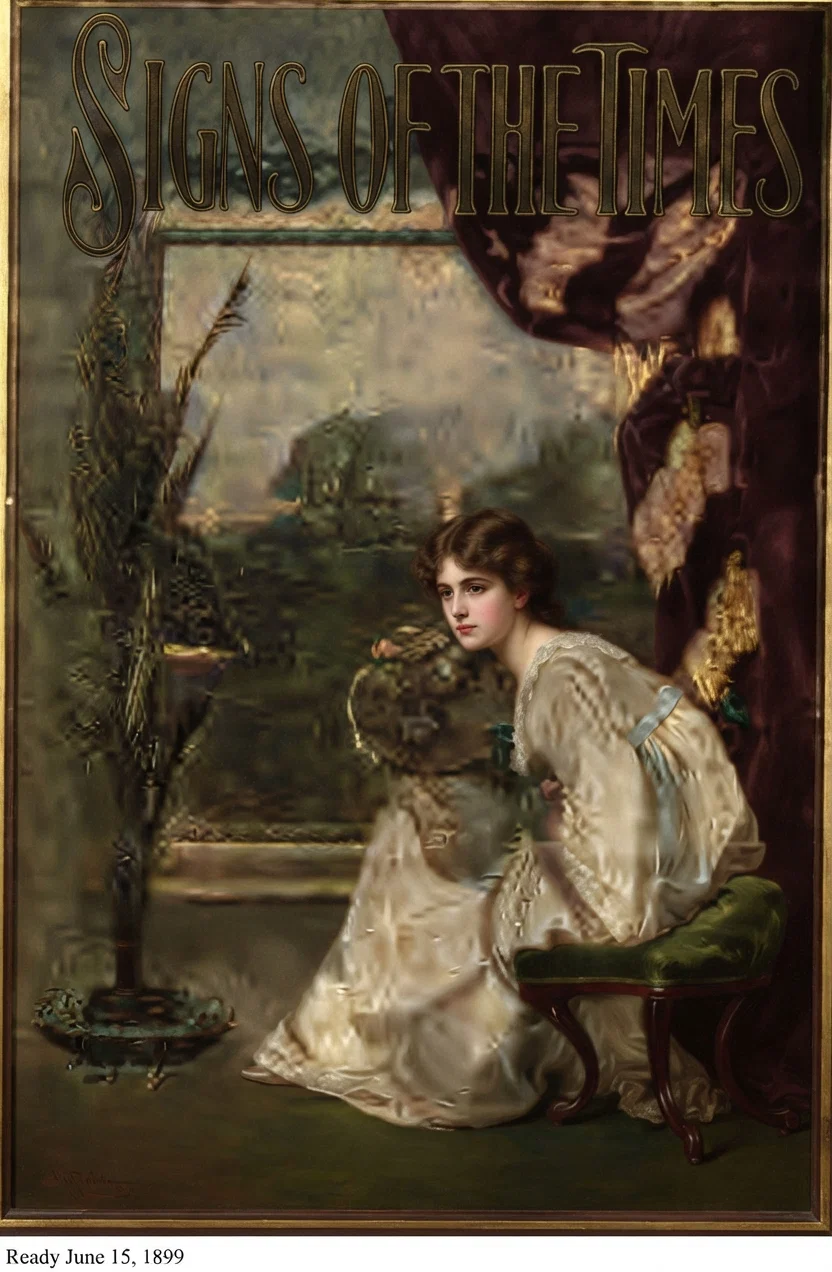
Ready June 15, 1899

The Independence Number of the Signs of the Times

Above is presented a reduced facsimile of the cover design of the Independence Number of the Signs of the Times, which will bear date, July 4, 1899. This is an especially attractive design, and comports well with the illustrations in the body of the paper. These will be largely half-tone reproductions from photographs of historical scenes.
But more important than fine illustrations is the subject matter. As we approach our nation's birthday anniversary, it will be particularly fitting to consider the principles upon which our country was builded, and some of the dangers that menace those principles in these latter days.
This issue will contain
1 PRINCIPLES OF TRUE AMERICANISM AS SET FORTH BY THE FOUNDERS OF THE REPUBLIC.—BY W. N. GLENN.
None are so well qualified to define those principles as the men who participated in the building of the republic. The Declaration of Independence will be allowed to speak, and added words will be responsed from the writings of men of '76.
2 DEPARTURE FROM PRINCIPLES OF TRUE AMERICANISM AS SHOWN IN RELIGIOUS LEGISLATION.—BY A. T. JONES.
There can be but one meaning to a departure from true principles. To the individual it means death; to the nation it means death. There are remedies. To know the disease is to apply the proper remedy. This article will reveal both.
3 DEPARTURE FROM PRINCIPLES OF TRUE AMERICANISM AS SHOWN IN "IMPERIALISM."—BY P. T. MAGAN.
A remarkable and significant course is being pursued by this nation in these days of the present. This course with its true meaning will be shown clearly under this head.
4 AMERICA IN THE LIGHT OF THE MORE SURE WORD OF PROPHECY.
Against conflicting opinions and theories of worldly statesmen concerning our nation's world place and her destiny, is here presented the "more sure word of prophecy," whereunto we all shall do well to "take heed, as unto a light that shineth in a dark place."
5 A HISTORICAL SKETCH OF THE DOCTRINE OF RELIGIOUS LIBERTY.
As its name implies, this article will aim to depict the rise and varied progress and phases of the idea of religious liberty during the Christian era. You will wish to be informed in regard to this matter.
The foregoing are the principle articles. Stirring poems and much that is excellent besides will be found in this issue.
The prices are placed at very low figures, as follows:— Single copies, 5 cents each. 5 to 75 copies, 2 cents each. 100 copies and above, 1 ½ cents each.
We will address, wrap, and mail single papers from this office to lists of names furnished us, for 2 ½ cents each.
Regular subscribers to the SIGNS receive this special without extra charge. The regular price of the paper is $1.00 per year, post-paid.
Order early of your State Tract Society, or SIGNS OF THE TIMES, Oakland, Cal.

Strong Character.

Ian McLaren (Rev. John Watson) says that America's strength is in the West, in both land and men. But he further remarks: "The tendency to materialism, however, is the one serious drawback of the situation. Churches are fast losing their hold upon the people. . . . The Gospel is being supplanted by faith in self. The result is strong character, but a lack of the finer sensibilities." This is an astonishing statement for a Christian minister. The weakest thing, the most vacillating thing, the most deceptive thing in this world is self. It is the soil of sin, and the cause of all this world's wo. "The heart [the natural, self-heart] is deceitful above all things, and desperately wicked; who can know it?" And how a Bible believer can say that faith in such a thing as self can make a strong character, is astounding. Faith in self will make a self-assertive character, a loud character; but faith in Jesus Christ, the Eternal Rock, can alone make a strong character.
Immediately following our Independence Number there will come two important series of articles. The first is entitled, "Separation of Church and State," by Alonzo T. Jones. These will make exceptionally plain the great underlying principles of this most important theme, and will clearly show the dangers which now menace this country. The other series will bear the general title, "Roger Williams, America's Luther." They are written by Prof. Percy T. Magan, of Battle Creek College, Mich. But these are only a part of the good things to follow this present time. Subscribe now.

CONTAINED IN THIS NUMBER.

Poetry.

Present Consolation, JUAN MCCARTHY . . . . . 2 The Wonderful City DORIS . . . . . 4 The Silent Hour, S. OVERGARD . . . . . 5 Faith . . . . . 9 Grandmother's Thoughts . . . . . 12

General.

Denouncing the Pharisees, MRS. E. G. WHITE . . . . . 1 The Law, H. W. REED . . . . . 2 Death: Its Natural, Theological, and Bible Meaning, WM. PENNIMAN . . . . . 2 Education in the Days of Christ, E. A. SUTHERLAND . . . . . 3 Our Words, E. J. BURNHAM . . . . . 3 Who Is on the Lord's Side? EDISON J. DRIVER . . . . . 4 The Divine Healer, M. E. OLSEN . . . . . 4 Women in the Churches, MRS. AMANDA BOSTICK . . . . . 5 "Put Yourself in His Place" . . . . . 5

Editorial.

What His Faith Meant . . . . . 6 The True Church . . . . . 6 "Whatsoever He Doeth Shall Prosper" . . . . . 7
Question Corner.—No. 935, 936, 937, 938, 939, 940 . . . . . 7
Outlook.—The Peace Conference.—The Inerrancy of the Bible.—A Confession of Weakness.—Need of Revivals . . . . . 8
Missions.—Rome.—Our Work in the Society Islands . . . . . 9, 10
International Sabbath-school and Sunday-school Lessons . . . . . 11
The Home.—Loving Our Neighbor.—A Dear Button.—A Machine that Solves Problems.—The Craze for "Dosing" . . . . . 12, 13
News and Notes . . . . . 14 Publishers . . . . . 15

Reason and War

Reason and War.—Sir Wilfred Lawson, the Sunset Cox of the House of Commons, who says so many good things in such a lightsome way that they lose half their weight, points out the unreason of war by the following anecdote: "I think that reason is clearly on our side [that is, the side of peace]. I will explain that by a story. A young soldier was engaged in a battle. A cannon ball came and carried off the head of the man who was near him, and spattered his brains all about the place. He was looking very solemn and serious, when the commanding officer came by, and said, 'My good man, don't be frightened.' 'O, no,' said he, 'I am not frightened; I am only wondering how a man with so much brains ever came to be here!''" One of the most unreasonable things in the world is war.

Article on Rome

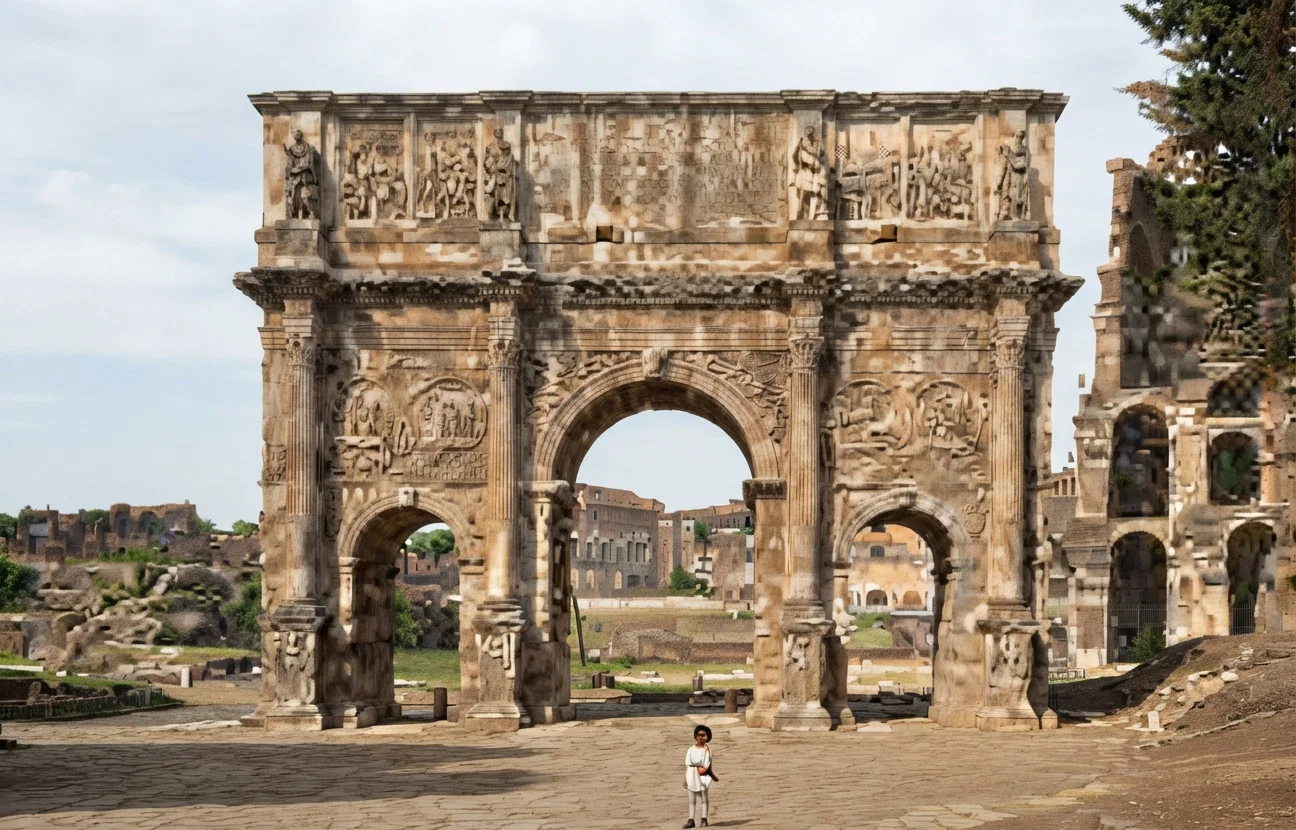
In our Mission's department will be found an article on "Rome." It is written by our missionary to Greece, Professor Henderson. This is only the first article; we expect others to follow. We know it will be of interest if you read it; we ask you to read. The article will do the rest.

Education, True and False

Do not fail to consider the important principles which are set forth in the present articles by Professor Sutherland, on "Education, True and False." True education is a matter of the instillation of right principles into the heart and right methods into the mind. These articles are of more than passing importance.

Our Independence Number

Our Independence Number.—We call attention to the announcement of our Independence Number, found on page 15. Its importance is beyond estimate. It contains truths which every one should know, and its circulation should be unlimited. A copy should be placed in the hand of every legislator and judge, of every public officer, of every minister, of every lawyer. Will not our friends help us to do this?

PRESERVED FOODS AND ADULTERATIONS.

THE Senate Pure Food Commission has been sitting in Chicago recently, and listening to testimony relative to the adulteration of foods. Among the "preservatives" used in the meat and milk business are "freezine," "preservalene," "freeze'em," "rosaline," "laktone," etc. Among those who testified was Prof. A. S. Mitchell, analytical chemist of Wisconsin Dairy and Food Commission. He is reported by the Omaha Herald of May 11, to have said:—
"The use of antiseptics as preservatives," said Professor Mitchell, "has become alarmingly great. They are used as colorings and to stop the development of germs in dairy products; also in chopped meats, bulk oysters, fish, hams, and possibly corned beefs.
"Professor Mitchell made the sworn statement that nearly every butcher in Illinois used preserving liquids on scraps of meat which they laid aside for the manufacture of hamburger steak and other alleged delicacies.
"The chemist first told of a liquid known as 'freezine.' Professor Mitchell said that the stuff had been used extensively by farmers to keep milk; and butter, it being the custom to mix it with the former in small quantities, and pour it into vats for the preservation of butter.
"This 'freezine' I have found to be nothing less than almost pure formic aldehyd," narrated the expert. "This is a chemical that acts disastrously upon the tissue of the stomach, and I can only surmise the results when milk diluted with it is used constantly by a family. Where butter is placed in vats filled with this stuff the precious commodity takes up no small part of the liquid, with a result that can only be conjectured."
"The professor proceeded to tell of his experiments with a fluid sold extensively to butchers for the purpose of making their hamburger steaks last and keep up a healthy appearance.
"This liquid contains in great per cent. what is known as sulphide of soda with a complement of coloring matter," he continued. "It is styled an antiseptic, and, in certain respects, is. This must be borne in mind, however, that where fermentation and waste are arrested the digestive properties are consequently destroyed."
"Dr. Wiley, the government expert who examined the antiseptic without going on the stand, said he identified it as practically the same chemical which was used during his experience at medical colleges to preserve cadavers, and was now occasionally put to service in disinfecting houses where small-pox patients resided.
"The testimony early in the day assumed the form of a debate as to whether or not the use of alum in the manufacture of baking-powder is injurious to the public health.
"George W. Rew, a chemist, stated that the injuries characteristic of alum was destroyed in the process of baking.
"Prof. C. N. Shallberg, former editor of the Western Druggist, and Professor Mitchell combatted this theory, and expressed the opinion that alum should not be used as an ingredient unless the public was made aware of the fact by labels on the cans.
The common basis of jellies manufactured nowadays, according to several witnesses, are the core and parings of apples, utilized after they had been evaporated. This substance it was claimed, is mixed with glucose in large quantities, with sugar in small quantities, and then colored and flavored to suit the outside design on the package."

A Western View of the Peace Congress

This is what a Western paper thinks of the Peace Congress: "The Peace Congress will not listen to the groans of the Finns and the Poles. It will spend weeks in the polite interchange of vague platitudes and glittering generalities, and will no doubt adjourn, leaving the world as much subject to strife as ever."

It Is True

It Is True.—The Record of Christian Work truly says: "What this world of sinful men and women needs is . . . power; power to make bad men good, and good men better. 'The Gospel is the power of God unto salvation.' Therefore preach it—not law, not ethics, not political economy, but the simple, old-fashioned Gospel. That is what Paul did, and even the heathen said that he had turned the world upside down."

Juvenile Criminality.

Almost every day the papers print the evil doings of some precocious juvenile criminals; for they are generally in bands. Some of them are as young as six years, and a terrible murderer is only eleven. And some of the newspapers seem to delight to describe these crimes in their minutest detail. The crimes are terrible, but it does not help the matter by publishing the details. Rather we are familiarizing the young with crime.

The World's Beer Consumption

The world's consumption of beer is said to be 17,700,000,000 litres or quarts. Of this amount 5,000,000,000 quarts are made in Germany; in Great Britain and Ireland, 4,790,000,000; in the United States, 3,200,000,000; and Austria-Hungary, 1,350,000,000. Belgium produces and consumes nearly 1,050,000,000 quarts of beer; France 840,000,000, and all the Russias only 400,000,000 quarts. At five cents a quart this would amount to the vast sum of $875,000,000. And it not only does no good, but great evil. Think of it, and if you are a beer-drinker, quit.

Anti-Imperialists

Anti-Imperialists.—Among the eminent men in the Republican party opposed to "imperialism" are Hon. Geo. S. Boutwell, Hon. Geo. F. Edmunds, Hon. John Sherman, Hon. H. S. Pingree, Charles Francis Adams, Andrew Carnegie, Rev. Theodore L. Cuyler, and Senators Hoar and Hale, and Mason. Among noted Democrats are Hon. Grover Cleveland, Hon. John G. Carlisle, and Hon. Wm. J. Bryan, and Senators Daniel and Gorman and White. And there are many others in both parties. Imperialism involves more than mere party or political issues; in it the very existence of the nation and the peace of the world are at stake.

The Philippines Are Not Savage

According to Agoncillo, Aguinaldo's representative to this country, the Spanish found that Mohammedan civilization had preceded them in the Philippines through the Arabs by four centuries. When Spaniards reached there in 1521 they found the natives working the mines of both gold and iron, cultivating and weaving cotton, silk, pineapple fibre, and hemp. They were exporters of cotton goods and other manufactures. They had foundries for casting iron and brass, and were makers of brick and pottery. Among them were sculptors and molders. At the present it is said that 62 per cent. of the natives can read and write. There are 2 167 primary schools in the islands, besides a number of academies and colleges. Since 1872 about 200 students a year have gone abroad for education. Surely they are not all savages.

WHAT ROMANISTS THINK.

COMMENTING on the "Fast Day" proclamation of Governor Rollins, the Ava Maria, a Roman Catholic paper, says:—
"The lament of Governor Rollins should serve as a trumpet-call to the Catholics of America. Protestantism is failing of sheer inanition; its vitality has not been greater than that of other sects that fretted and fumed upon the world's stage for three centuries and then retired into the background of history. In America, as in England, the church's opportunity has come; and to meet it there must be a larger interest in Catholic education, greater zeal in preaching the Word of God to both Catholics and non-Catholics; liturgical devotions, virile piety, and a powerful Catholic press. The complexion of this country is far from Catholic, as yet; but Protestants are beginning to realize and to regret that they have lost the religion of their fathers, and it will not be long before they begin to yearn for the religion of their grandfathers."
The Arch of Constantine.
(Reduced facsimile of first page of cover)

You have reached the end of this edition.

Signs of the Times · Jun 14, 1899