Signs of the Times, Vol. 43, No. 32.

Satan in Full Retreat

Signs of the Times

Aug 15, 1916

Pacific Press Publishing Association · Mountain View, California · Aug 15, 1916

Satan in Full Retreat

Helpless Before the Artillery of Heaven — The Only Thing He Dreads — A Polished Name for Infidelity
By George B. Thompson
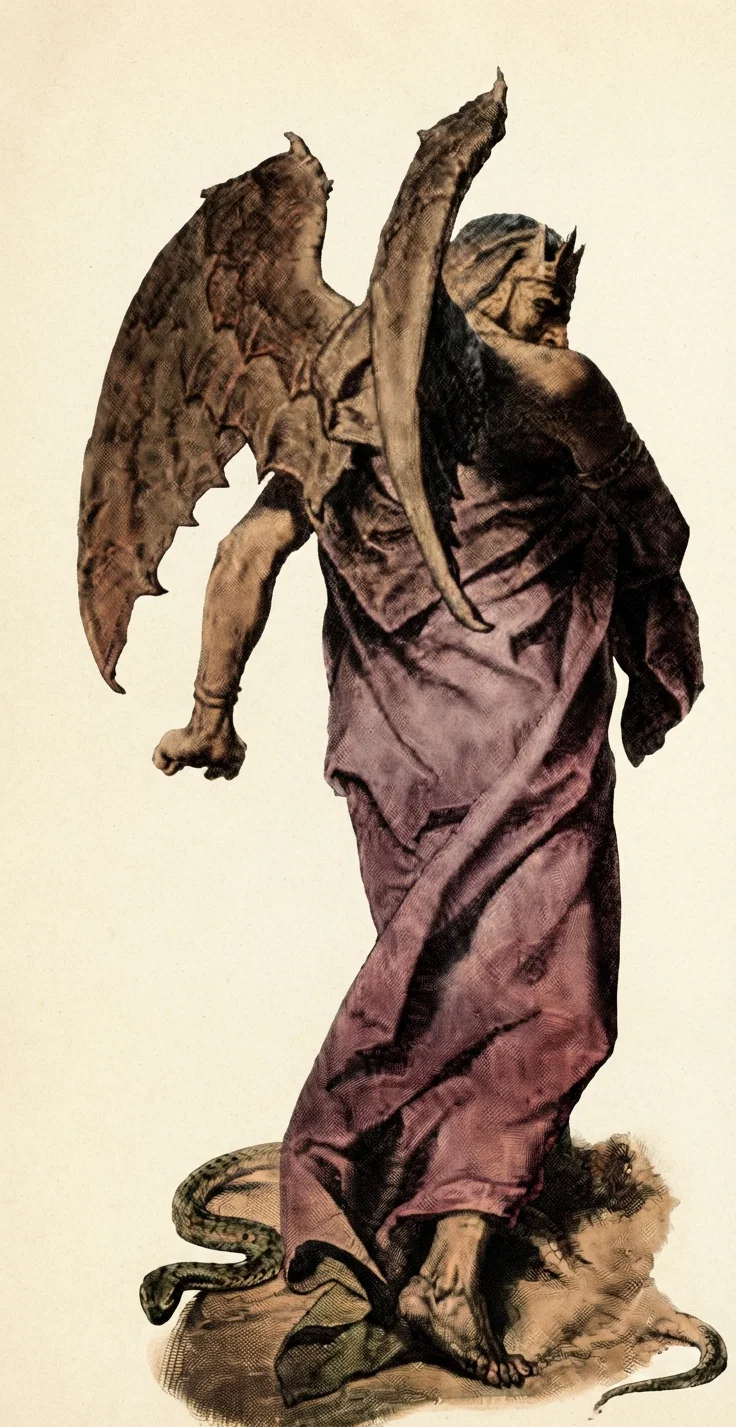
T HE apostle James exhorts: "Submit yourselves therefore to God. Resist the devil, and he will flee from you." James 4:7. This text has Satan on the run, not toward us, but from us. If we resist, he will flee. This ought to bring comfort to the tempted, buffeted sons and daughters of Adam. Satan, like a roaring lion, goes about seeking prey. He is after souls. He is chasing thousands to perdition. But there is hope for all through Christ. It is possible to defeat him — not merely hold him at bay, but make him retreat.
We hear people say, The devil is after me. But the text in James indicates that it is our privilege to know that the enemy is fleeing from us. It is no common spectacle to see the commander in chief of perdition in full retreat.
But how can this great soul destroyer be made to retreat? In giving instruction concerning the work of the Holy Spirit, Jesus said, "But the Comforter, which is the Holy Ghost, whom the Father will send in My name, He shall teach you all things, and bring all things to your remembrance, whatsoever I have said unto you." John 14:26. Notice that a part of the work of the Holy Spirit is to bring to our remembrance the words of Jesus. The word of God unmasks all the schemes of the enemy, and he is helpless before this artillery of heaven. When Jesus was tempted by the enemy, following His long fast in the wilderness, His only defense was, "It is written," "It is written," "It is written." God's word is mighty, and the devil fled from the Saviour; for we read, "Then the devil leaveth Him, and, behold, angels came and ministered unto Him." Matt. 4:11.
The seer of God says, "When the enemy shall come in like a flood, the Spirit of the Lord shall put him to flight." Isa. 59:19, margin. Here again the prince of darkness is fleeing. When the great adversary of souls comes in like a flood from some burst dam, in a determined effort to carry everything before him, and with the besom of destruction sweep our souls into the abyss of ruin, the Holy Spirit will bring to our minds the precious promises of God. Unable to stand before the mighty power of God's eternal word, the devil, with all his cohorts of darkness, is forced to flee.
Be assured that the God who cast this prince of angels, with his sympathizers, out of heaven when they sinned, can control these legions of darkness now. But before we can be thus kept, and the Spirit of God lift up a standard against the enemy, we must study the Word. The Spirit can teach us something we never knew before, but He cannot help us to remember what we never had in our memory.
In order, in the hour of trial and temptation, to have weapons drawn from the arsenal of the Word, we must study and ponder the Word until it becomes fixed in the mind. Then, when the awful power of satanic temptation comes upon us, the Spirit can bring to our minds some of the strong, sustaining promises of the Word, to which we can anchor by faith, and not be swept away by the force and sophistry of Satan's deceptions.
It was by the word of God that the heavens were made, and it is by this same word that they are upheld. The word that holds planets in their orbit is the same that holds one of God's children from falling. None who believe the Bible, will be deceived by the prince of liars, no matter how artful the deception may be, or how closely the counterfeit may resemble the original coin of the heavenly realm.
We can therefore clearly see why Satan is using all the cunning of his master mind to destroy confidence in God's word. It is the only thing he dreads. He

SATAN IN FULL RETREAT

(Continued from page 1)
well knows its power when lodged in the heart of a believing child of God. His agent is sometimes the blatant infidel, who misrepresents the Word. But he is best suited if his agent stands in a pulpit dedicated to the worship of Jehovah, and poses as a critic — a higher critic.
"Higher criticism" is only a more polished name for infidelity. It shocks the spiritual sensibilities less. Masquerading in the livery of heaven, it becomes a more dangerous deception, and will damn more souls. Many churches, we regret to say, are honeycombed with the uncertain guesses and monstrous fables of higher criticism, expounded from pulpits where the Bible is supposed to be honored and revered.
Behind higher criticism is the great enemy of God in disguise, working to pull the eternal rock of Scripture from under our feet, and give us instead but shifting sand. Let us cling to the Word, and defeat the enemy.

The Key

That Unlocked the Time of the End

The Seed Sown by the Albury Prophetic Conferences

and Its Harvest
By C. C. CRISLER
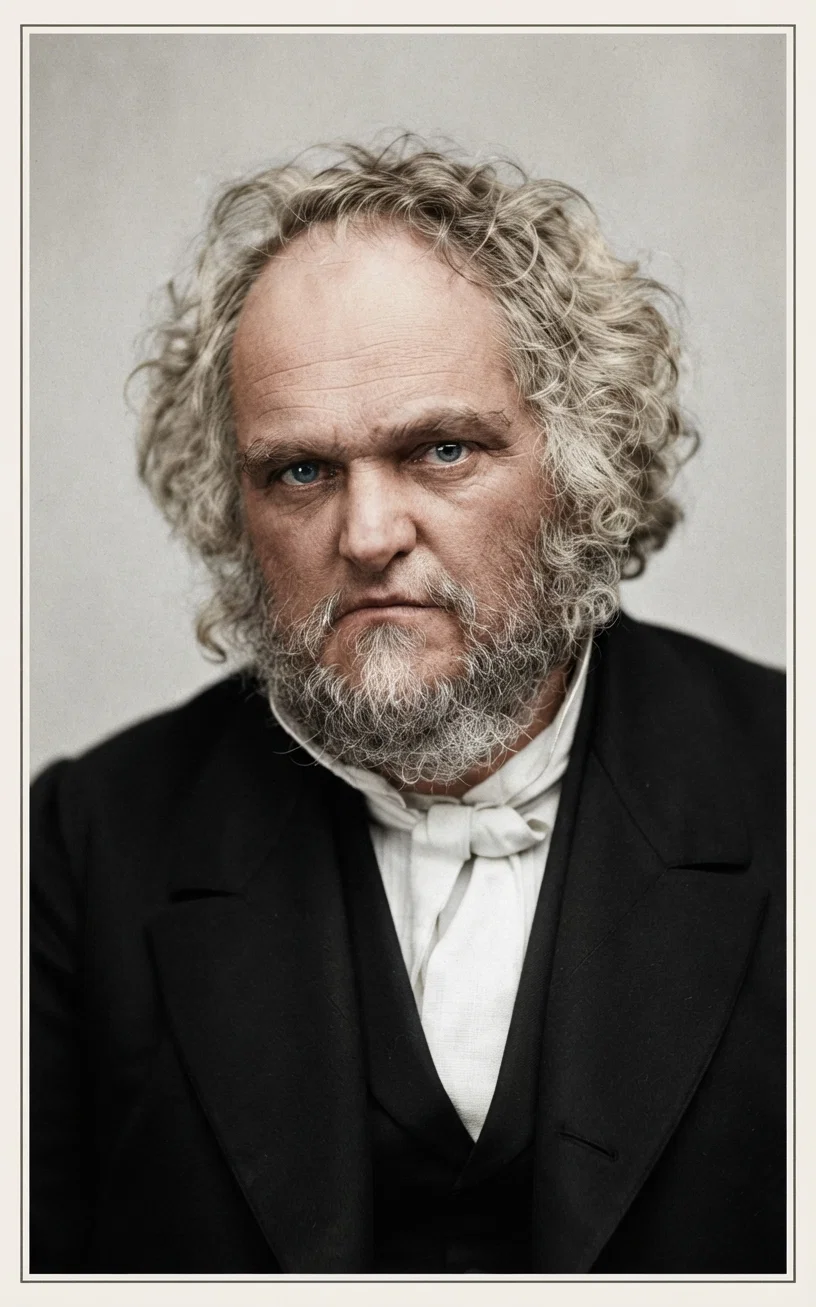
WHILE Edward Irving was proclaiming with power, in 1826, the near approach of the great day of Judgment, many other London pastors, and laymen not a few, were giving careful thought to the prophetic portions of Holy Writ. Among these students of Scripture were several men prominent for their piety and for their sound intellectual attainments. One of the number was the Rev. Daniel Wilson, of the Church of England, afterward bishop of Calcutta; another, the Rev. Lewis Way, who, while traveling alone some years before in the steppes of Russia and in Syria and Arabia, had discovered the intimate connection existing between the time periods of Daniel's prophetic visions — the key that unlocks to human understanding that which was sealed "to the time of the end." The results of these meditations, Mr. Way had given to the world in 1816, in a volume entitled "Letters to Basilicus."
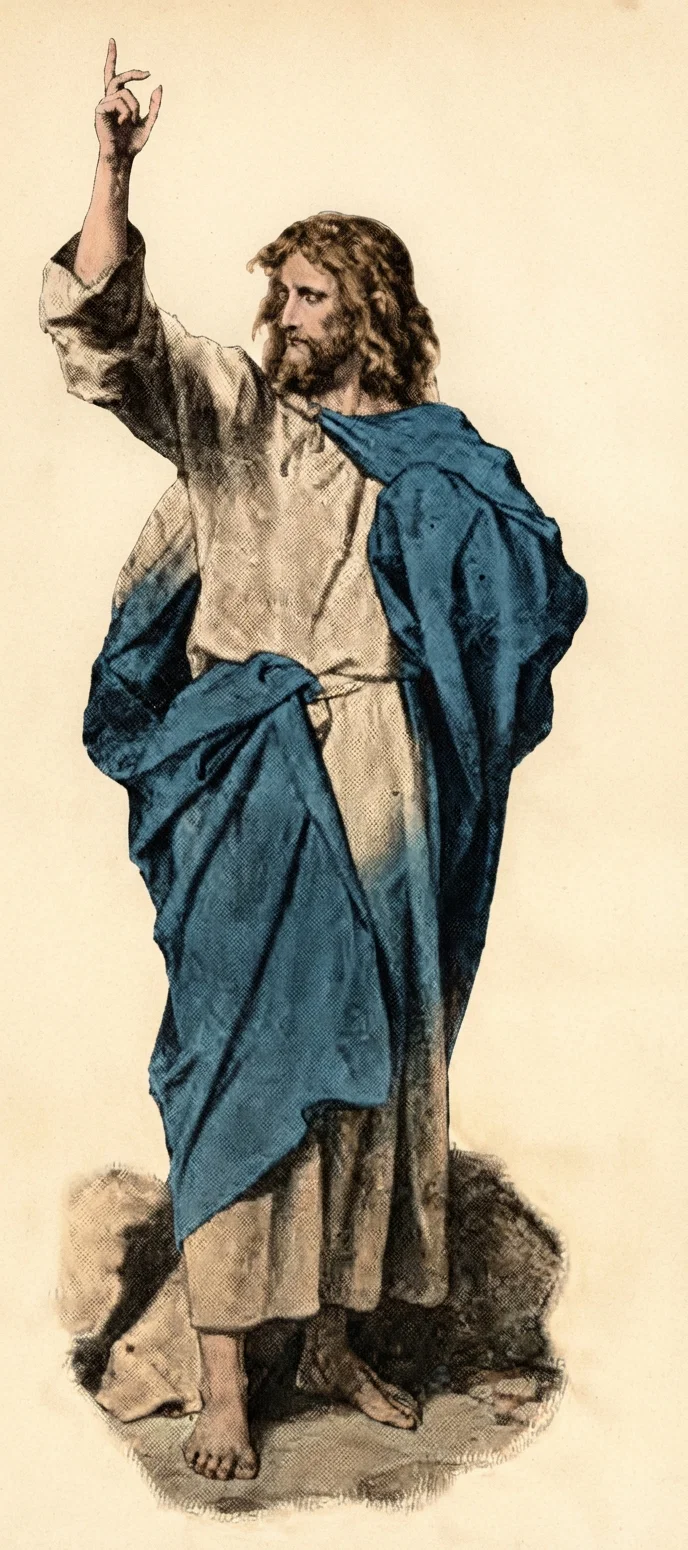
JOSEPH WOLFF
ONE of the members of the first Albury Prophetic Conference, famous in later years as a Christian missionary and Advent preacher among the Jews and Mohammedans in Asia Minor, Persia, Bokhara, Cashmir, etc.
JOSEPH WOLFF ONE of the members of the first Albury Prophetic Conference, famous in later years as a Christian missionary and Advent preacher among the Jews and Mohammedans in Asia Minor, Persia, Bokhara, Cashmir, etc.
More than a score of ministers were specially engaged in united study of prophecy. Dr. W. Dodsworth, Dr. Okely, the Rev. Robert Story, of Rosneath, and the Rev. E. Vaughan, were among the number. Lord Mandeville, afterward the duke of Manchester, was one of the laymen uniting with the pastors in diligent investigation. Another was Henry Drummond, Esq., a banker and a member of Parliament, and founder of the professorship of political economy in Oxford University. Among other laymen of note may be mentioned the Hon. J. J. Strutt (the late Lord Rayleigh); Mr. W. Cunningham; Mr. J. H. Frere; Mr. John Tudor, afterward editor of the Morning Watch; also Captain G. Gambier and Lieutenant Malden, of the army and navy.

Met to Interchange Views

DURING the spring and early summer of 1826, these men met occasionally in London, in order to compare views, and to arrive, if possible, at a correct understanding of the times in which they were living. These comings together for an interchange of views, brought to them increased light and blessing.
These informal gatherings led to the holding of the Albury prophetic conferences of 1826 to 1830. At the suggestion of Mr. Way, those who were investigating truth decided to set apart a season for continuous study; whereupon Mr. Drummond, the London banker, offered to place his beautiful country home near Albury, in the county of Surrey, at the disposal of his friends, for the holding of a formal conference. To this meeting all who were specially interested were invited, "both ministers and laymen, of any orthodox communion."
"In answer to this honorable summons," writes the Rev. Edward Irving, one of the members of the first conference held, "there assembled about twenty men of every rank and church and orthodox communion. And in honor of our meeting, God so ordered it that Joseph Wolff, the Jewish missionary, should also be of the number. And here for eight days, under the roof of Henry Drummond, Esq., the present high sheriff of the county, and under the moderation of the Rev. Hugh M'Neile, the rector of the parish of Albury, we spent six full days in close and laborious examination of the Scriptures."

Studies the Prophecies

OF the questions considered, those of chiefest importance were (1) "The system of the prophetic visions and numbers of Daniel and the Apocalypse;" (2) "The Scripture doctrine concerning the future advent of the Lord;" and (3) "The duties to the church and the world arising out of the same." "These," further writes Mr. Irving, "are points on which men are supposed to be wholly at sea, without chart, course, or polar star; and it is the common rebuke of the students of prophecy, that no two of them are agreed on any one matter: and therefore the thing which I am about to say, will appear the more wonderful — that . . . we were so overruled by the one Spirit of truth and love, as to have found our way to harmony and coincidence in the main points of all these questions."
As regards the spirit of the conference, Irving mentions especially "the fullness, freeness, and harmony which prevailed in the midst of partial and minor differences of opinion;" also "the spirit of prayer, and love, and zeal for God's glory and the church's good," as well as "the sweet temper and large charity which were spread abroad." "By the common consent" of all, he testifies, "God was in a very remarkable way present with us."
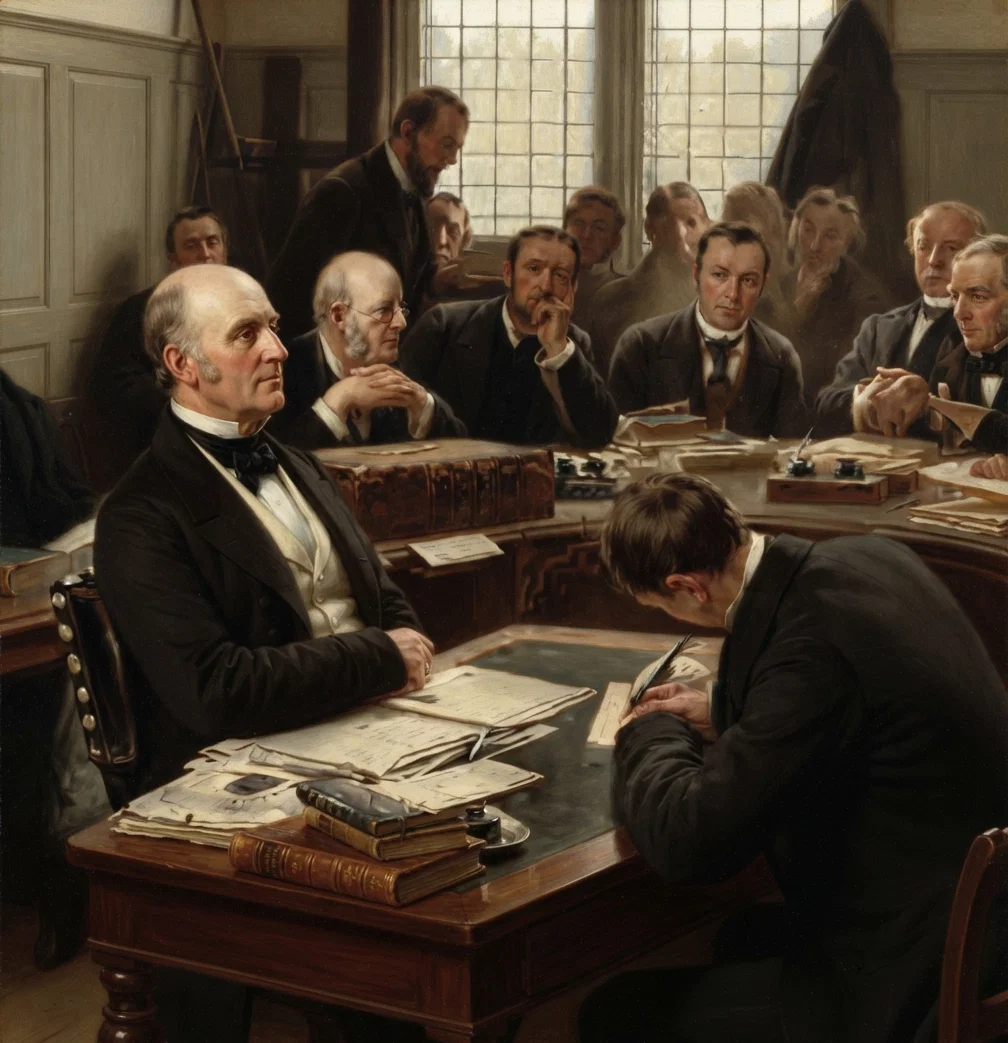
ALBURY PROPHETIC CONFERENCE "More than a score of ministers were specially engaged in the united study of prophecy."
A day was set apart for each subject. Early in the morning, those in attendance met "to seek the Lord for the light, wisdom, patience, devotion to His glory, communion of saints, and every other gift and grace of the Holy Spirit;" and before separating for breakfast, one of their number opened "the subject of the day in an orderly and regular way, taking all his grounds of argument, and substantiating all his conclusions, out of the Holy Scriptures."
Two hours daily were spent in quiet individual study and in earnest secret prayer, "in order that the brethren might each one try and prove himself before the Lord upon the great questions at issue," and that they might come together "with convictions, not with uncertain impressions." At eleven in the forenoon, they reassembled for their mid-day session, which (to quote from one of the participants) often lasted "four, and sometimes almost five hours, our aim being to gather the opinions of every one before we parted; and when we tired, we refreshed ourselves with prayer, which we also regarded as our main defense against Satan."

The Round-Table Discussion

THE third and last session was held in the evening, when the men taking part seated themselves "around the fire of the great library room, yet still looking to a moderator, and with the same diligent attention to order." Any difficulties in Scriptural exposition needing further consideration were brought up and resolved to the satisfaction of all present; "and so we proceeded," writes Mr. Irving, "till towards eleven o'clock, when the whole duties of the day were concluded by the singing of a hymn, and the offering up of an evening prayer."
"Such were the six days we spent under the holy and hospitable roof of Albury house, within the chime of the church bell, and surrounded by the most picturesque and beautiful forms of nature; but the sweetest spot was that council room where I met the servants of the Lord, the wise virgins waiting with oil in their lamps for the Bridegroom; and a sweeter still was that secret chamber where I met in the Spirit my Lord and Master, whom I hope soon to meet in the flesh."
"O Albury, most honored of the King And Potentate of heaven, whose presence here We daily look for! In thy silent halls His servants sought and found such harmony Of blessed expectation as did fill Their hearts with lively joy, as if they'd caught The glory of the cloud which bore their Lord, Or heard the silver-toned trump of jubilee Sound His arrival through the vaults of heaven. From thy retreat, as from the lonely watchtower, We had certain tidings of the coming night And of the coming day; the one to brace Our hearts with dauntless resolution All sufferings to endure on His behalf Who for our souls did bear the ascendant dire Of Satan's hour and power of darkness; The other to delight our souls with thoughts And dearest joys which are not known to those Contemptuous and unfaithful servants Who think not of the promise long delayed Of Thy most glorious coming, gracious Lord! For me, and for these brethren's sake, I pray That the sweet odor of these hallowed hours May never from our souls depart till Thou, Our glorious King, Thy standard in the heaven Unfurlest, and command'st the Archangel strong To make the silver-toned trump of jubilee Sound Thine arrival through the vault of heaven, And quicken life within the hollow tomb."
"These meetings at Albury were continued annually for five years, the last being held in 1830, generally about the season of Advent. Forty-four people in all attended one or more of them; but of these, nineteen were clergymen of the Church of England, one was an English Moravian, two were dissenting ministers, four were ministers of the Established Church of Scotland; and eleven English laymen, one Scotch Presbyterian layman, and six other Englishmen, whose adhesion is unknown, made up the number." (Dr. E. Miller, "Irvingism," volume 1, page 30.)The hope of the Lord's coming, for which these earnest investigators of the past century stood at first as almost solitary witnesses, is now held by tens of thousands in Great Britain and on the continent of Europe, in the Americas, in Asia, in Africa, and in the islands of the sea. During the years the Albury conferences were held, a quarterly journal of prophecy, the Morning Watch, was founded; and while this has long since been discontinued, other journals have undertaken to fulfill a similar mission, and these have prospered and multiplied, until to-day there are published regularly two score or more of weekly and monthly periodicals interpreting the meaning of the fast fulfilling signs betokening the coming of the Son of man.
Those truth-loving souls who, a century or more ago, were led by the Spirit of God to begin to prepare the way for the coming of Jesus in this our day, realized to some extent their imperfect knowledge of truth in its fullness. One of their number, Mr. J. Bicheno, in a volume published in 1793, under the title, "The Signs of the Times," modestly declared in his preface: "The author . . . hopes — whatever the imperfections — that his efforts to illustrate the word and providence of God, and to smooth the way to the study of the prophecies, may be of some use to the pious inquirer, who, amidst the darkness and tempest which surround him, is anxiously asking, Watchman, what of the night?"
By the year 1829, when the first number of the quarterly journal, the Morning Watch, was issued, the students of God's word had become so confident of their understanding of the times in which they were living, as to make bold to use as their motto and rallying cry the words: "Watchman, what of the night? watchman, what of the night? The watchman said, The morning cometh, and also the night: if ye will inquire, inquire ye: return, come."

Proclaimed with Power

DURING the advent movement of 1843-44, those who were preaching and publishing adopted as one of their rallying cries the thrilling words, "Behold, the Bridegroom cometh! Go ye out to meet Him!"
To-day, in every land, to every kindred, tongue, and people, the message of a soon-coming Saviour is proclaimed with power. The seed sowing of the century that has passed is yielding an abundant harvest. Thousands are preparing for that glad day when Jesus shall appear in person to gather home His loved ones, — thousands who long have been watching for His appearing, and who have been sustained and cheered all along the way as they have recognized the signs foreshadowing the dawn of that glorious day.
"The time is at hand." "He which testifieth these things saith, Surely I come quickly." "Even so, come, Lord Jesus."

The Uncompleted Reformation

A Noble Work Begun — Departing from the Fundamental Principles
By S. B. HORTON
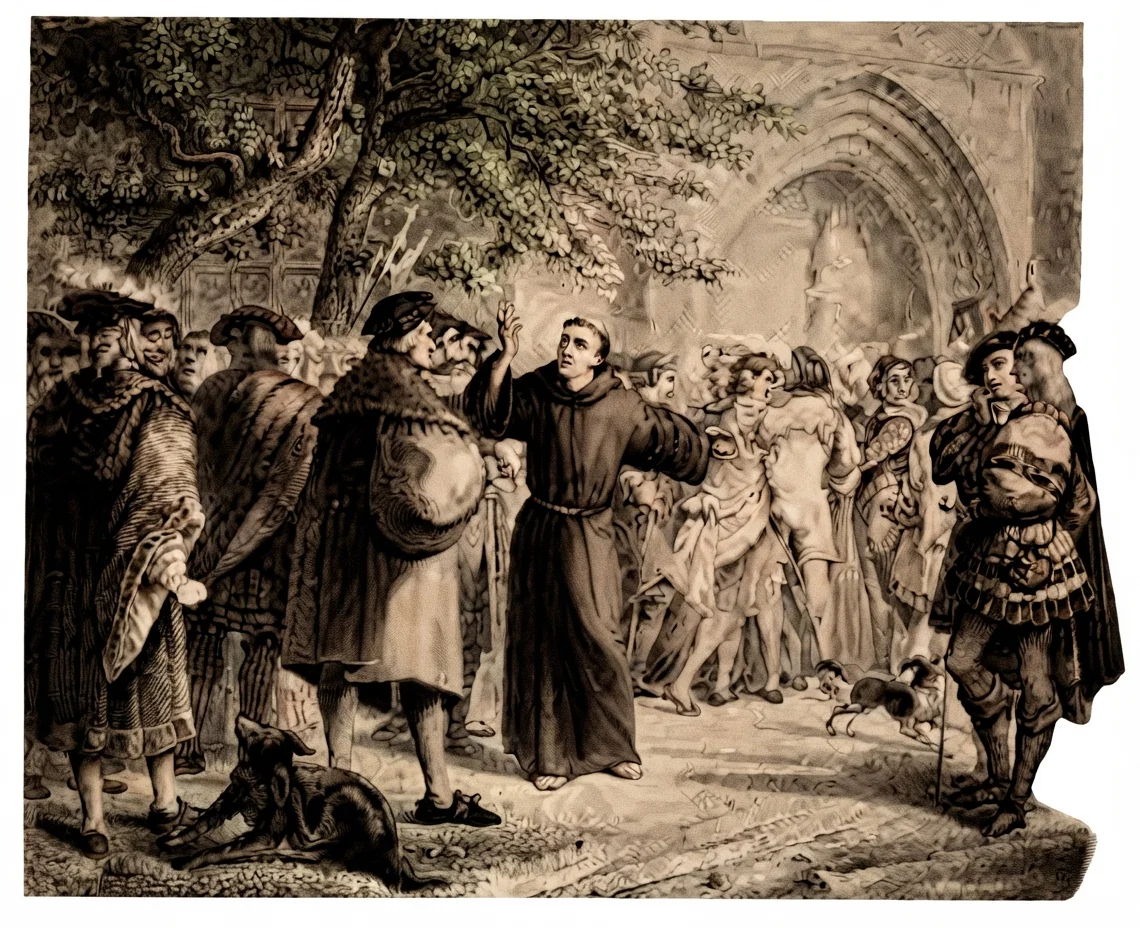
"T"HE Bible, I say, the Bible only, is the religion of Protestants," was the famous slogan of Chillingworth, which was based upon the principles underlying the Reformation. Said he: "Propose me anything out of this Book, and require whether I believe it or no, and seem it never so incomprehensible to human reason, I will subscribe it with heart and hand, as knowing no demonstration can be stronger than this: God hath said so, therefore it is true." ("Works of William Chillingworth, M. A.," Oxford University Press, 1838, volume 2, pages 409-411.)
This became the slogan of all the Protestant churches, and the principle is to-day incorporated into the various denominational creeds and confessions of faith. For the purposes of this article, we refer to the following as indicative of the fundamental view held in regard to the all-sufficiency of the Scriptures: "We believe that the Holy Bible was written by men divinely inspired, and is a perfect treasure of heavenly instruction; that it has God for its author, salvation for its end, and truth without any mixture of error, for its matter; that it reveals the principles by which God will judge us, and therefore is, and shall remain to the end of the world, the true center of Christian union, and the supreme standard by which all human conduct, creeds, and opinions should be tried." ("Baptist Declaration of Faith.")

Does It Make Any Difference?

ELABORATING on what Baptists believe, Dr. J. L. Burrows says: "Every intelligent disciple should be satisfied in his own mind as to the Scripturalness of the faith that is commended for his adoption. But do not allow yourself, in relation to any article of revelation, lazily and indifferently to acquiesce without thought and examination for yourself into the truth of received theories. . . . We should never hear from a disciple of Christ such utterances as, 'It does not matter what we believe on such subjects,' 'One way is as good as another.' It does matter, or the Lord would not have inspired His apostles to write for our instruction. One way is not as good as another. The only good way is that which God has revealed." ("What Baptists Believe," by J. L. Burrows, D. D., page 17.)
This principle is set forth in a specially clear and comprehensive way in the following article: "Holy Scripture containeth all things necessary to salvation; so that whatsoever is not written therein, nor may be proved thereby, is not to be required of any man, that it should be believed as an article of the faith, or be thought requisite or necessary to salvation." ("Articles of Religion," Article 6, Protestant Episcopal Church.)
As if to emphasize doubly this principle, Article 20 of the Episcopal Church adjures that "it is not lawful for the church to ordain anything that is contrary to God's word written, neither may it so expound one place of Scripture, that it be repugnant to another." All of which is in keeping with, and is demanded by, the work of the great Reformation.

Spheres of State and Church

IT will also be recalled that the Reformation "rejects the civil power in divine things, and says with the prophets and apostles, 'We must obey God rather than man.'" With this principle also are the Protestant churches in accord. The Presbyterian brethren accept it in the following language: "Civil magistrates may not assume to themselves the administration of the Word and sacraments, or the power of the keys of the kingdom of heaven, or in the least interfere in matters of faith... . It is the duty of the civil magistrates to protect the church of our common Lord, without giving the preference to any denomination of Christians above the rest. . . . And as Jesus Christ hath appointed a regular government and discipline in His church, no law of any commonwealth should interfere with, let, or hinder the due exercise thereof among the voluntary members of any denomination of Christians according to their own professions and belief." (Chapter 23, "Confession of Faith.")
On the other hand, the Roman Catholic Church, true to her past record, which called forth the work of the Reformation, maintains that all must follow the traditions of the church, for the reason that "like two sacred rivers flowing from Paradise, the Bible and divine tradition contain the word of God, the precious gems of revealed truth. Though these two divine streams are in themselves, on account of their divine origin, of equal sacredness, and are both full of revealed truths, still, of the two, tradition is to us more clear and safe." ("Catholic Belief," Di Bruno, D. D., page 33.)
In the matter of civil government and religion, Rome maintains that "it would be very erroneous to draw the conclusion that in America is to be sought the type of the most desirable status of the church, or that it would be universally lawful or expedient for church and state to be, as in America, dissevered and divorced," as we gather from "The Great Encyclical Letters of Leo XIII," page 323.

Can It Be Changed or Annulled?

LET us now apply the test of the Reformation and of the Protestant articles of religion to present practice. The word of the Lord says: "Remember the Sabbath day, to keep it holy. Six days shalt thou labor, and do all thy work: but the seventh day is the Sabbath of the Lord thy God: in it thou shalt not do any work, thou, nor thy son, nor thy daughter, thy manservant, nor thy maidservant, nor thy cattle, nor thy stranger that is within thy gates: for in six days the Lord made heaven and earth, the sea, and all that in them is, and rested the seventh day: wherefore the Lord blessed the Sabbath day, and hallowed it." Ex. 20: 8-11.
This commandment is part of that law which all Protestant bodies proclaim to be unchangeable. Binney's "Theological Compend, Improved," states the thought common to all such bodies: "This law is spiritual and perfect, extending to all the inward creations and outward actions of men, and can never be changed or annulled," basing this deduction upon such scriptures as Ps. 19: 7, 8; Prov. 30: 5, 6; Rom. 7: 12, 14; Rev. 22: 18, 19.
The word of the Lord also says, "The Son of man is Lord also of the Sabbath" (Mark 2: 28), which is stated in the fourth commandment to be the seventh day; and as Sabbath observance belongs to the Maker of it, the Saviour said that we should "render . . . unto God the things that are Gods." Matt. 22: 21. Two questions are now pertinent: Can it be said that in observing any other than the seventh day of the week, one is following the "Thus saith the Lord," and the Thus saith the article of religion, "Whatsoever is not written therein, nor may be proved thereby, is not to be required of any man"? and, Assuming that Sunday observance is rendered to God by virtue of the fourth commandment, as many Protestants interpret, are these Protestant brethren following the "Thus saith the Lord," and the Thus saith the denominational article of religion which debars the magistrate from interfering in "matters of faith," when they appeal to Congress and to legislatures for laws to compel the observance of Sunday?

Seeking Aid from the State

THE Protestant churches are committed to the policy of compelling Sunday observance, as will appear from the annual reports of the Federal Council of Churches of Christ in America, notable among which is that of 1914, in which are noted the following resolutions:
"3. That we approve the introduction in the House of Representatives and in the Senate of the United States of a Sunday rest bill for all government employees, said bill to be indorsed by the Committee of Direction hereinafter as provided, and submitted to the commission (Commission on Sunday Observance) for its approval.
"4. That we ask all public officials for better Sunday laws throughout all our states where such laws obtain, and express an urgent hope that at the earliest possible moment, a Sunday law be enacted for the District of Columbia and the state of California, where no such laws exist."
At its meeting in Chicago, December 5, 1912, the federation was swept upon Roman Catholic grounds on the subject of civil government and religion, by the following report, unanimously adopted: "The business of the state is to bring about such economic conditions and environment that the idealism of the gospel may have as clear and fair a field as possible. It is this that justifies the church . . . in turning to the state for coöperation which will enable her to do her sacred task."
Note the deadly parallel in Leo XIII's encyclical of January 6, 1895, in which, speaking of the Catholic Church in America, he says: "She would bring forth more abundant fruits if, in addition to liberty, she enjoyed the favor of the laws and patronage of the public authority."
It is evident that present-day Protestantism not only has failed to complete the work so triumphantly begun by the Reformation, but has made a definite departure from the faith once delivered to the Protestant churches.
In our next issue, Mr. Horton will continue the consideration of this most important theme, dealing specifically with the Sabbath question and the Reformation. EDITOR.
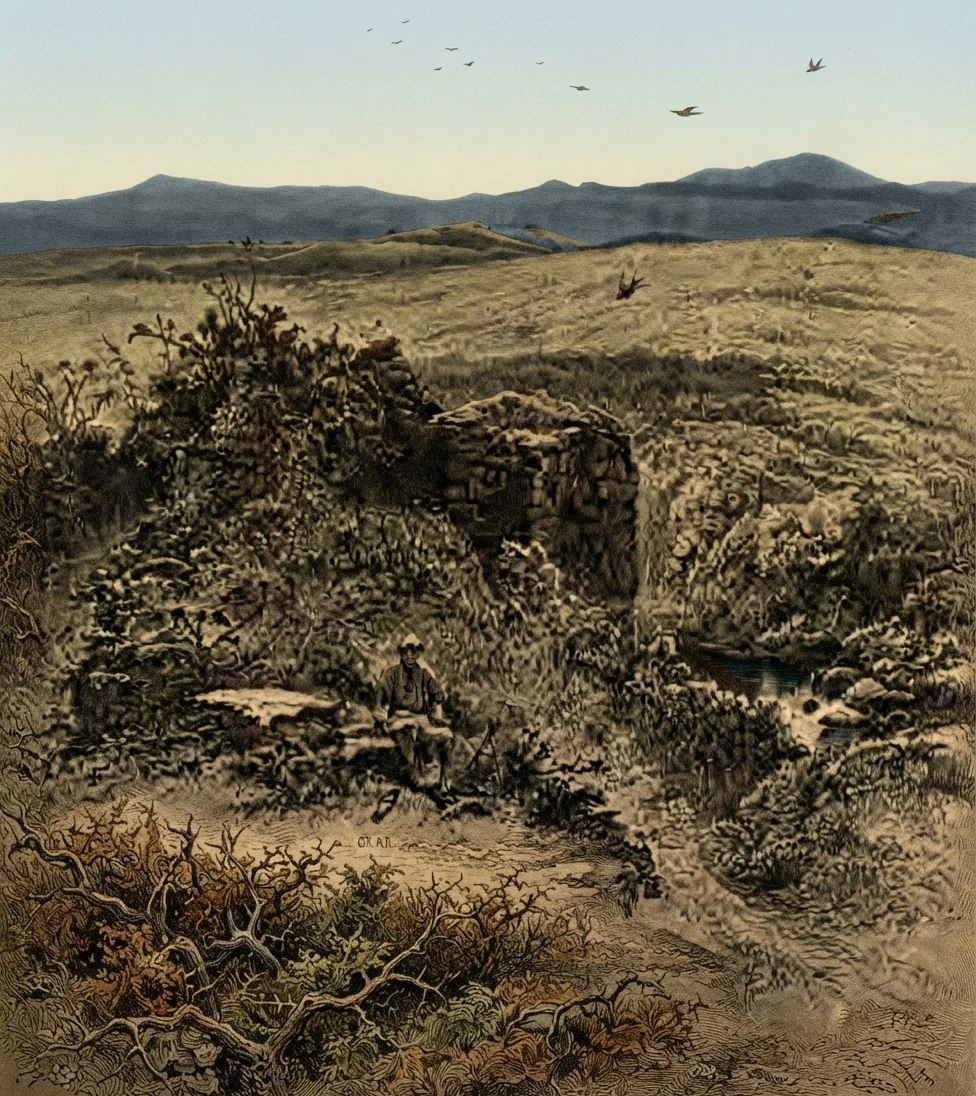
The Vale of Baca
The Vale of Baca

The Vale of Baca

By Edith Starbuck
Bowed down beneath his load of guilt, Man saw his home, once fair, All marred by evil's blighting touch, And filled with grief and care. A desert drear the earth was spread, Till Christ our Lord was slain, And left a well in Baca's vale, And filled the pools with rain.
And ever, since His grace appeared, Where'er His children be, He bids them, 'midst the stress of life, "Bear witness here for Me." How blest are they who trust in God, And make His strength their stay; Who leave a well in Baca's vale, To cheer the desert way!
Continue reading: Who Are the Angels?