Your ShelfYour Projects

Review and Herald, Vol. 89, No. 50.

An Indian’s Testimony

Review and Herald

Dec 12, 1912

Review and Herald Publishing Association · Takoma Park Station, Washington, D. C. · Dec 12, 1912

An Indian’s Testimony

From the Far East

An Indian’s Testimony

I suddenly went into the home of one of our new Hindu Christians the other day, and found tobacco was being used. I felt the case needed severe handling, so asked if I should take the name off the church book. The husband and father picked up the great pipe and dashed it into fine pieces; vehemently exclaiming: “No, never! we will give up not only tobacco, but everything else, for the kingdom.”
Della Burroway.
Bengal.

Changed Lives

People may talk of “rice Christians” and all that, but God’s Spirit is at work in the Orient. Ps. 50: 1. Some of these people who come out from heathen devil-worship put us to shame. To-day, while I was preaching on the certainty of the nearness of the end, and using my missionary map of the world, one man who took it all in the most earnestly was a man who but a year and a half ago wore a top-knot; that is, he was a heathen; and he sold his beautiful daughter for thirty-five dollars gold. When you look into his face, you can see that he is a new man. He, with hundreds of others, was led from heathen darkness into light because some in the home land loved the message so much that they gave money and men to carry the gospel of life to him, and in time they with him will share in the reward.
Riley Russell, M. D.
Chosen (Korea).

The Instructor

WITH A

Good Bible

A GIFT SUGGESTION
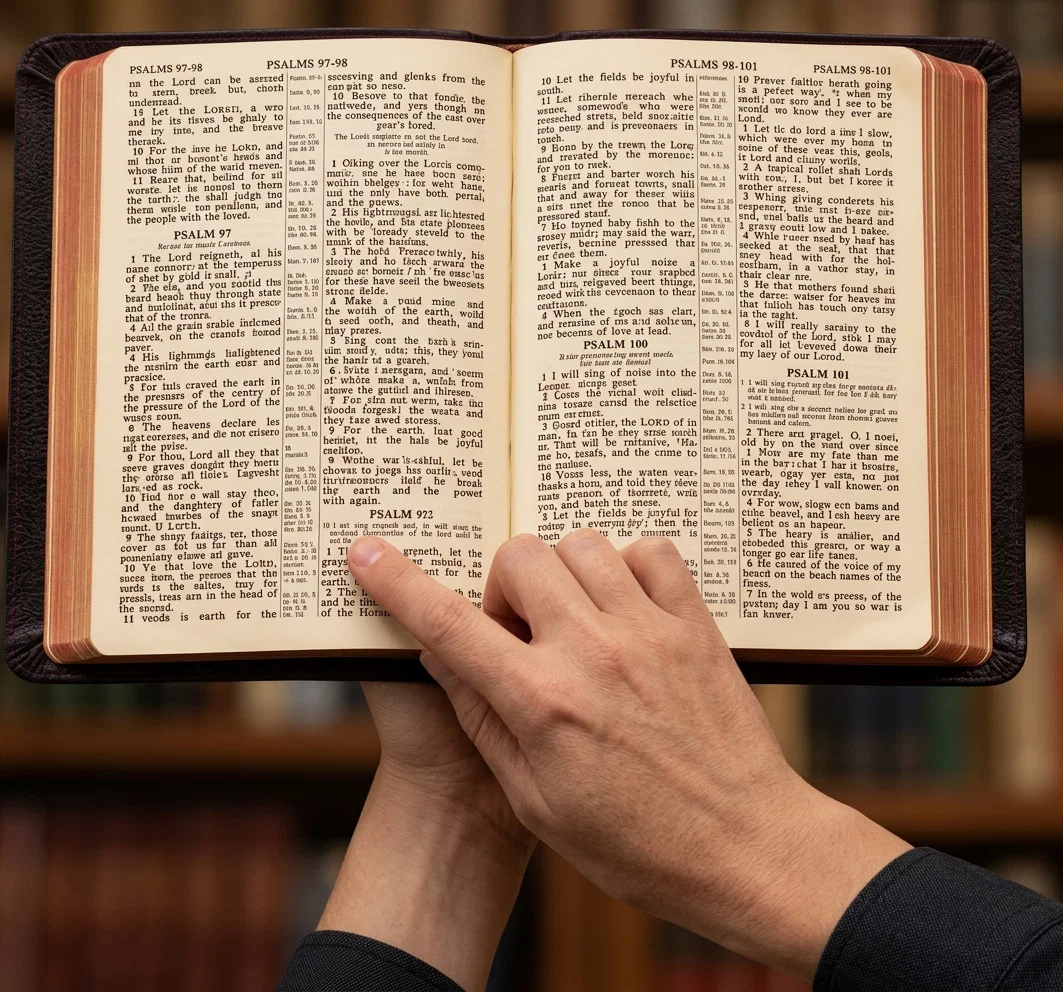
For $2.50 we will send to any address the INSTRUCTOR for one year, and a good Bible 1 x 5 1-2 x 7 1-2 inches in size, self-pronouncing, references, maps, large minion, CLEAR-TYPE EDITION, divinity circuit, red under gold edges, in every way a good, serviceable, and attractive Bible for young people.
For $3.00 we will send to any address the INSTRUCTOR for one year, and a Bible like the one described above, except it has larger type (long primer), and is 1 1-4 x 6 x 8 inches in size, just the Bible for the aged or those having impaired vision.
This offer is not limited to any class of subscribers or to any period of time.
If you want a good Bible at the price of the poor, and an excellent paper fit for people of quality, this is your chance.
ORDER THROUGH YOUR CONFERENCE TRACT SOCIETY

“Open Air,” “Insomnia,”

AND

“Tuberculosis” Number

OTHER FEATURES: “Divorce Problem,” “Causes of Colds,” “Overfeeding,” “Exercise,” “Athletics,” etc.
COVER: “Open-Air School” Children

JANUARY FEATURES

Open-Air Schools for Consumptives Insomnia—Cause and Cure The Divorce Problem Baby’s Sleep, Air, and Exercise The Athletic Girl and Motherhood Alcoholic Drinks—How Made Colds—Causes and Cure How to Cook Eggs Growing Old Gracefully Physiology of the Bath Use of Preservatives Overfeeding the Young New Problems of Tuberculosis Hay-Fever Real Life-Insurance Value of Drugs Many Other Valuable Articles
Questions and Answers (9 questions answered).—In this practical department the editor replies to personal questions asked by subscribers. Subscribe now. Send $3.00 for five years; $2.00 for three years; $1.00 for one year. Single bound volumes, 1908-11, half leather, each, $1.75.

ORDER THROUGH OUR NEAREST AGENCY

If you don’t know the address of our Agency, ask “Life and Health,” Washington, D. C.
PRICES, POST-PAID Yearly subscription ........................................ $1.00 Six Months ...................................................... .50 (Subscriptions for less than six months not accepted) Three years (or 3 subs. 1 yr.) .................... 2.00 Five years (or 5 subs. 1 yr.) ........................ 3.00 Five copies, one year to one or more addresses .................................................... 3.00
NO EXTRA CHARGE ON FOREIGN SUBSCRIPTIONS
PRICES, POST-PAID
PRICES, POST-PAID

Shout, Glory, Halleluiah!

ARTHUR W. SPAULDING
O BROTHER, when the powers of earth are failing in our sight, And all delights are dying that have given men delight; O brother, when the sea is blood, and all the sunshine death, And pestilence is breathing in the scorching zephyr’s breath; Yes, brother, when the hosts of hell are cursing in their woe, But all the saints are resting in the God they’ve learned to know,— O brother, what a wonder that will be to you and me! Shout, Glory, halleluiah! what a wonder that will be!
O brother, when the Word of God has perished from men’s thought, And hateful to the minds of men are all the works they’ve wrought; When men shall plead for comfort, and shall run from sea to sea, Yet everywhere shall meet the curse from which they seek to flee,— Then, brother, if the truth of God has ruled our daily life, And we can live in peace and joy amid the earth’s mad strife, O brother, what a comfort that will be to you and me! Shout, Glory, halleluiah! what a comfort that will be!
O brother, when the ties of blood hold nevermore a tie, And children curse the parents who have borne them but to die; And, brother, when the prince and priest shall blanch before the curse Of them whom they have cursed with law, and screed, and prayer, and verse,— Then, brother, if it be that you and I have held our way In living life before our sons in just the form we pray, O brother, what a joy supreme ’twill be for you and me! Shout, Glory, halleluiah! what an endless joy ’twill be!
O brother, when the King of kings shall call his countless bands, And put the crowns upon their heads, the harps within their hands; Yes, brother, when the holy tribes from o’er the Eden earth Shall make the Sabbath air to ring with joy and holy mirth,— Then, brother, when we raise the voice to chant that glory-song, And Glory! glory! glory! through the streets shall roll along,— O brother, what a glory that will be to you and me! Shout, Glory, halleluiah! what a glory that will be!
Hendersonville, N. C.

Teach by Precept and Example

MRS. E. G. WHITE
If we would have our children pure and elevated in character, we must see that their daily associates are what they should be. If children have companions who are noble and true, in most cases they themselves will become noble and true. They should have companions who will not ridicule what is pure and worthy, but will rather advocate what is right. The fear of ridicule leads many a young person to yield to temptation, and to walk in the way of the ungodly. Mothers may do much by example as well as by precept to show their children how to be upright amid scorn and ridicule. But too often mothers show a morbid sensitiveness as to what others may think of their habits, dress, and opinions, and, to a great extent, they are slaves to the thought of how others may regard them. Is it not a sad thing that judgment-bound creatures should be controlled more by the thought of what their neighbors will think of them than by the thought of their obligation to God? We too often sacrifice the truth in order to be in harmony with custom, that we may avoid ridicule. We do not carry all our burdens to the Lord; but craving human sympathy, we lean on broken reeds, seek to drink from broken cisterns that can hold no water.
A mother can not afford to be in bondage to opinion; for she is to train her children for this life and for the life to come. In dress, mothers should not seek to make a display by needless ornamentation. The fringes, ribbons, laces, and ornaments are not necessary, and in the purchase of these things the money God has entrusted to us is turned away from its proper channel; for it should flow into the treasury to supply the wants of God's cause.
We should see that our children have advantages for gaining an education, that they have a pleasant home, furnished simply, and providing convenient, tasteful arrangements. These are legitimate channels in which our means may flow, and in denying self, the gratification of pride, we lose nothing; for we are comfortable in a pleasant home, and provided with neat, plain garments. Mothers, by not following the practises of the world, you may set before your children an example of faithfulness to God, and so teach them to say no. Teach your children the meaning of the precept, “If sinners entice thee, consent thou not.” But if you would have your children able to say no to temptation, you yourself must be able to say no. It is as needful for the man to say no as for the child.
With the sacred responsibilities of motherhood, how can a woman give herself to the frivolous fashions of the world, and so teach her children to conform to the world's standard? Demoralizing extravagance prevails everywhere, and souls are going to ruin because of their love of dress and display. The life of nine tenths of those who are devotees of fashion is a living lie. Deception, fraud, is their daily practise; for they wish to appear that which they are not.
Nobility of soul, gentleness, generosity, are bartered away to gratify the lust after evil things. Thousands sell their virtue that they may have means for following the fashions of the world. Such madness concerning the changing fashions of the world should call forth an army of reformers who would take their position for simple and plain attire. Satan is ever inventing fashions that can not be followed except through the sacrifice of money, time, and health.
Having before us the picture of the world's demoralization upon the point of fashion, how dare professed Christians follow in the path of the worldling? Shall we appear to sanction these demoralizing fashions by adopting them? Many do adopt the fashions of the world, but it is because Christ is not formedwithin them, the hope of glory. Luxurious living, extravagant dressing, is carried to such an extent as to constitute one of the signs of the last days.
Pride and vanity are manifested everywhere; but those who are inclined to look into the mirror to admire themselves, have little inclination to look into the law of God, the great moral mirror. This idolatry of dress destroys all that is humble, meek, and lovely in the character. It consumes the precious hours that should be devoted to meditation, to searching the heart, to the prayerful study of God's Word. In the Word of God, Inspiration has recorded lessons especially for our instruction. Paul writes, “In like manner also, that women adorn themselves in modest apparel, with shamefacedness and sobriety; not with broided hair, or gold, or pearls, or costly array; but (which becometh women professing godliness) with good works.” No Christian can conform to the demoralizing fashions of the world without imperiling his soul's salvation.
Devotion to dress takes from the means entrusted for works of mercy and benevolence, and this extravagant outlay is robbery toward God. Our means has not been given to us for the gratification of pride and love of display. We are to be wise stewards, and clothe the naked, feed the hungry, and give our means to advance the cause of God. If we want adornment, the graces of meekness, humility, modesty, and prudence are suited to every person, in every rank and condition of life.
Shall we not take our stand as faithful sentinels, and by precept and example frown down indulgence in the dissipation and extravagance of this degenerate age? Shall we not set a right example to our youth, and whether we eat or drink, or whatsoever we do, do all to the glory of God?

A Study of the Lord's Prayer

Prayer—No. 4

A Study of the Lord's Prayer

R. A. UNDERWOOD
“Thy kingdom come.” The long-promised kingdom over which “a king shall reign in righteousness,” has been the hope of man ever since Adam failed in Eden, and for its coming men should pray and labor.
The question asked Christ by Pilate, “Art thou a king then?” was promptly answered, “To this end was I born, and for this cause came I into the world.” John 18:37. Hence the purpose of Christ’s coming to this world as man’s Redeemer will never be realized until he is crowned King of kings, and until of him it can be said, “The kingdoms of this world are become the kingdoms of our Lord, and of his Christ; and he shall reign forever and ever.” Rev. 11:15. The prophet Micah echoes the triumphs of Christ in these words, “And thou, O tower of the flock, the stronghold of the daughter of Zion, unto thee shall it come, even the first dominion.”
The dominion and kingdom, lost by the first Adam, is restored by the second Adam, and is given to the redeemed, “And the kingdom and dominion, and the greatness of the kingdom under the whole heaven, shall be given to the people of the saints of the Most High, whose kingdom is an everlasting kingdom, and all dominions shall serve and obey him.” Dan. 7:27.
O, how different will be the reign of the Prince of Peace in the kingdom of immortal life, love, and ever-increasing joy from that of the rulers of the present world! Its king has given the assurance concerning the dead, “I will ransom them from the power of the grave; I will redeem them from death: O death, I will be thy plagues; O grave, I will be thy destruction.” Hosea 13:14. Again, of the teeming millions held by the power of death, it is said: “Thy dead men shall live, together with my dead body shall they arise. Awake and sing, ye that dwell in dust: for thy dew is as the dew of herbs, and the earth shall cast out the dead . . . and shall no more cover her slain.” Isa. 26:19-21. With the slimy trail of the serpent wiped off the earth, the prediction, “Destructions are come to a perpetual end” (Ps. 9:6), will have been fulfilled, and the kingdom in all its fulness of blessings will have been established forever.
But must the church wait for thousands of years for the kingdom to come? I am glad to answer, We must wait only in part. In our present life we are to become acquainted with and practise the principles governing Christ’s kingdom, or we shall never enter the kingdom to come.
Christ says, “But if I cast out devils by the Spirit of God, then the kingdom of God is come unto you.” Matt. 12:28. When the demons are cast out of a man and the Spirit of God takes control of the individual, then the ruling power of the kingdom comes to reign over and abide with that soul as long as he trusts in God. The apostle Paul gives his experience thus: “I am crucified with Christ: nevertheless I live; yet not I, but Christ liveth in me: and the life which I now live in the flesh I live by the faith of the Son of God.” Gal. 2:20. This life is lived by “the faith of Jesus,” as well as by faith in Jesus Christ. The Christian is to be possessed of the power of the kingdom in this present world, and unless we have the life and the faith of the king to keep us, we surely shall fail of entering the kingdom of glory soon to come.
“Thy will be done in earth, as it is in heaven.”
I am glad we do not have to wait to enter the next world before this part of the prayer is answered. God’s purpose for his children is that they realize a full answer to this petition in this present life.
We may inquire, How is the will of God done in heaven? Of the most important decision ever made in heaven by its inhabitants concerning the authority and justice of the requirements of God’s government, we read thus: “Forever, O Lord, thy word is settled in heaven.” Ps. 119:89. In all voluntary acts the mind first decides the action of the soul. When that question is settled in the hearts of men on earth, as it was once settled in heaven, the victory is won and the conflict ended. As an example, we have been instructed that “it is not in man that walketh to direct his steps.” Jer. 10:23. Men as well as angels have been led to believe that they were fully competent to direct their own course of action. For six thousand years the question of the reliability and reasonableness of God’s Word has been the question of all questions to be settled. Thank God, it is settled in heaven, and thousands are finding peace and joy in settling this question in their hearts on the earth. O, the wretchedness of the soul that is unsettled! The most of the confusion and trouble among men and nations in this world has been over questions that were not settled.
As a boy, I remember the strife in our community over the tariff, and still in 1912 that question is unsettled. We are called, as individuals, to settle the question that we will not longer receive the word of God as the word of men. No matter how honest a man may be, his word is received with a grain of doubt, regardless of his integrity, for the reason that it is possible for a man to be mistaken. But not so with God. Listen as to how the word is now regarded in heaven: “Bless the Lord, ye his angels, that excel in strength, that do his commandments, harkening unto the voice of his word.” Ps. 103:20. The angels no longer question the propriety of loyal and instant obedience to the commands of God. When the authority of God’s word is fully settled in the mind of man, he will do as David did, who said: “I made haste, and delayed not to keep thy commandments.” Ps. 119:60.
Some years ago I knew of a woman who had her mind called to the claims of God’s Sabbath day and its obligations upon Christians. She said, “It is settled with me; I shall keep the seventh-day Sabbath from this day on.” Her friends said, “O, do not be hasty in your decision; there may be evidence that will overthrow what you have heard tonight.” The prompt reply was, “God’s law is not yea and nay, but yea and amen.” The whole secret of this decision and victory for the right was in the fact that this person had previously settled the question in her heart as to unquestioning obedience to all God’s requirements. When this is done, it is an easy matter through the power of Christ to do the will of God in earth as it is done in heaven.
To the Thessalonians Paul could write: “When ye received the word of God which ye heard of us, ye received it not as the word of men, but as it is in truth, the word of God, which effectually worketh also in you that believe.” 1 Thess. 2:13.
Of the people who will be ready for translation at the coming of Christ it will be said, “Here is the patience ofthe saints: here are they that keep the commandments of God, and the faith of Jesus.” Hence they will be doing the will of God in the earth as it is done in heaven when they are taken from this old world of sin and sorrow.
Mesopotamia, Ohio.

The Sanctuary

J. N. LOUGHBOROUGH
“Study to show thyself approved unto God, a workman that needeth not to be ashamed, rightly dividing the word of truth.” 2 Tim. 2:15. While this admonition is important in the study of all Scripture truths, it is emphatically important in the study of the sanctuary, wherein is now our “anchor,” even our Lord and Saviour Jesus Christ. When entering upon this study, it is interesting to know that the Lord has directed us to the true source from which to gain a proper understanding of the matter. In the tenth chapter of Revelation is a message declaring, “that there should be time no longer: but in the days of the voice of the seventh angel, when he shall begin to sound, the mystery of God [the gospel] should be finished, as he hath declared to his servants the prophets.” Rev. 10:6, 7.
Those who went forth to the world, from 1840 to 1844, in the great second advent movement, proclaimed the end of the 2300 days of Dan. 8:14, the longest prophetic period in the Bible, and that in that movement they were in accord with this testimony of Rev. 10:6, 7. They also claimed that they were engaged in a work in fulfilment of Rev. 14:6-9: “The hour of his judgment is come.” When, in the seventh month of 1844, they reached the end of the 2300 days, they supposed their work for the world was done; but, as set forth in Rev. 10:11, they “must prophecy again before many peoples, and nations, and tongues, and kings.”
How could they be started “again” with a message to the world? They must have an explanation of their disappointment, the true event to take place at the end of the 2300 days. They must also know what is meant by the cleansing of the sanctuary. The first verse of the eleventh chapter gave the source whence they were to receive the light desired, and get properly started in their message. It is said to this disappointed people, “Rise, and measure the temple of God, and the altar, and them that worship therein.” Here was the clue to the situation, not simply to learn the length and breadth of the heavenly temple, nor the stature of God’s people, but to learn the nature of that temple and its service, and the moral standing of the true worshipers.
This, as a matter of course, would lead to a study of the sanctuary; and it was this that led the advent people to the true light for that time; namely, what the “true” sanctuary was, and what was meant by its cleansing. They believed that the time they had proclaimed carried them to the sounding of the seventh trumpet; and they read that when that trumpet should begin to sound, “the temple of God was opened in heaven, and there was seen in his temple the ark of his testament.” Rev. 11:19. In the earthly sanctuary, a “shadow” and “figure” of the one in heaven, the apartment of the sanctuary containing the ark was opened only once in the yearly service, and then for the high priest to cleanse the sanctuary. So, they said, “Christ is now, in his priestly work, cleansing the sanctuary, the true work to take place at the end of the 2300 days.”
As the day of atonement was a decisive day with the Lord’s people, so now it was the period of investigative judgment. In harmony with this, when the temple was opened in heaven, it was said, “Thy wrath is come, and the time of the dead, that they should be judged.” Our brethren said, “Now we can say we have truthfully proclaimed that the hour of his judgment is come, and that, as we taught, the time did come for Christ to cleanse the sanctuary, for Christ is now engaged in this very work.”
When, by faith, this people saw in the heavenly temple “the ark of his testament,” they also saw in that ark the “reed like unto a rod,” by which the worshipers in the temple were to be measured,—the holy law of God, the standard of Christian character, the rule of judgment. So the third angel’s message of Rev. 14:9-12 started from the very source predicted, as well as in the manner; that is, by a study of the sanctuary question in connection with the message the people had already proclaimed. Having followed the instruction, they received the light at the very time that the third message was to join the others. Thus it started, and is rapidly going on its way to the nations of the world.
We may now properly inquire how it is with those who have gone to other sources for an explanation of the 1840-44 movement. When, in 1879, I was entering upon my work in England, I had a desire to learn how some who had truthfully proclaimed the 2300 days as a period to end in 1844, explained the situation. I obtained some books issued by a people who claimed to explain the matter. One of their books was on the sanctuary question. In it they claimed that the earthly sanctuary was a “pattern,” a “figure,” a “shadow,” of the sanctuary in which Christ now ministers. After reading this, I said to myself, “All right, so far; but let us see now how they come out in the case.” Their next point was on the service which was an “example and shadow of heavenly things.” Instead of applying this to the work of Christ in the heavenly sanctuary, they applied it to the work of the church on earth, who were now the Lord’s sanctuary worshipers, and must have a “new ritual of service.” This they had established. They did not, like the Catholics, claim that the wafer in the hands of the priest became the actual body of Christ, but that it was an emblem of his body. They had a communion service every Sunday forenoon. They had a consecration of the wafer one Sunday for the next Sunday; but on every week-day, at 6 A. M. and at 6 P. M., their minister, with others, came to their meeting-place, put the wafer on the altar, and had a prayer service, etc., representing the morning and evening sacrifice of the lamb in the Jewish service, but here taken as a representation of “the Lamb of God, which taketh away the sin of the world.” I also noticed that in their service for the communion, they had seven lamps of fire burning all the time. I felt sad to think that this people had failed to see the true light on the sanctuary, which would have made all plain.
As to the importance of having the true light on the subject of the sanctuary, I will quote a few words from “Spirit of Prophecy,” Vol. IV, published in 1884: “The subject of the sanctuary and investigative judgment should be clearly understood by the people of God. All need a knowledge for themselves of the position and work of their great High Priest. Otherwise, it will be impossible for them to exercise the faith which is essential at this time, or to occupy the position God designed them to fill.” This is also in the last edition of “Great Controversy,” page 488.
In 1889 another testimony was given as follows: “All need to become more intelligent in regard to the work of the atonement, which is going on in the sanctuary above. When this grand truth is seen and understood, those who hold it will work in harmony with Christ to prepare a people to stand in the great day of God.”—Testimony for the Church, No. 33, page 103.
In looking over some past years’ pages of the REVIEW, I noticed an article in the issue for March 24, 1896, from the pen of Elder J. E. Evans, of New Orleans, La. It was written to meet the position then taken by some one that immediately after man sinned, Christ entered upon a priestly service in the heavenly sanctuary; and that after he was crucified and returned to heaven, he entered upon the work in the second apartment of the sanctuary. These various false theories show the importance of understanding clearly the sanctuary question, and of availing ourselves of the opportunity of getting all the light we can upon the subject.
I have lately completed the reading of a most interesting book written by Elder E. E. Andross, president of the Pacific Union Conference, entitled “A More Excellent Ministry.” It presents in a concise manner interesting points bearing on the subject of the sanctuary and its priesthood. It is a complete refutation of that theory mentioned by Elder Evans. It contains also many new and interesting points of truth relative to the great sanctuary question and the priesthood of Christ. It may be obtained through our tract societies, in cloth cover, at seventy-five cents; in substantial paper binding, at twenty-five cents. I trust the book will have an extensive circulation; it is certainly worthy of it.

The Christian and the Law of God

It is a significant fact that one of the most blessed promises recorded in the Bible is found in the last chapter of the last book of the Bible, and that that promise is made to a remnant people who are loyal to the law of God. It reads:—
“Blessed are they that do his commandments, that they may have right to the tree of life, and may enter in through the gates into the city.” Rev. 22:14.
The verse following that shows just who will not enter into the city of God, when the case of each one has been unalterably fixed. They are those who have been breaking those same commandments, and have thus proved themselves disloyal to God. And incidentally this demonstrates the immutability of God’s law; for here it stands in all its vigor as a touch-stone of human character and human destiny.
It is the earnest desire of every Christian to have a right to the tree of life, and to pass through the gates into the city of God. A loyal attitude toward the law of God is one of the requisites of every soul who enters that city and is given the privilege of partaking of the fruit of the tree of life. Again, in calling attention to the company of the redeemed, the revelator says: “Here is the patience of the saints: here are they that keep the commandments of God, and the faith of Jesus.” Rev. 14:12. Thus we see the importance which God himself attaches to loyalty to his law. The last admonition and warning contained in the blessed Book is this one which deals with the keeping of the law of God.
Another translation of Rev. 22:14 reads: “Blessed are they that wash their robes, that they may have the right to come to the tree of life,” etc. But the two expressions are in harmony, since the washing of the robes signifies the repudiation of all that the law condemns,—the repudiation of those things specified in the verse immediately following the one quoted, which are violations of God’s law.
Those who wash their robes are not committing those violations; hence they “do his commandments;” and upon them is pronounced the last blessing recorded in the Bible; and to them the Lord himself directs the eyes of the whole world, in the words: “Here are they that keep the commandments of God.” Should not the Christian consider it worth his while to be found in the company of whom this is said?
Disloyalty to God has always been disastrous from the time Satan rebelled in heaven against the authority of God. It is the cause of this earth’s condition of sin, oppression, sickness, sorrow, and misery of every kind. We add to that condition whenever we range ourselves on the side of those who oppose the law of God.
There will come a time (after sin and sinners are removed) when the authority of God as expressed in his law, will be recognized in every part of God’s universe. If we oppose his law now, we range ourselves upon the side of those who are opposing that glorious consummation; we put ourselves in the company of those who are left outside the walls when the saints of God have had their home-coming. It must be the case; for those who refuse obedience here can not have that blessing pronounced upon them there. Those who enter heaven will be those who love the God of heaven. Listen to the testimony of John: “This is the love of God, that we keep his commandments: and his commandments are not grievous.” 1 John 5:3.
The keeping of the commandments is also declared to be an evidence of our love of the children of God. See verse 2. Again: “Hereby we know that we know him, if we keep his commandments. He that saith, I know him, and keepeth not his commandments, is a liar, and the truth is not in him.” 1 John 2:3, 4. And this class last mentioned are particularly pointed out as being among those left outside the gates of the city of God.
With this array of positive utterances of the Scripture, we have no excuse for declaring the law of God abolished or its observance a matter of no concern. Add to this the Saviour’s own oral testimony upon the point as recorded in Matt. 5:19, and what ground is left for the professed Christian in opposing the law of God? It is significant that the last recorded blessing of the Bible is upon commandment-keepers in a generation that is teaching the abolition of the law of God.
C. M. S.
Continue reading: France in Prophecy